Barwon Heads, Torquay and Anglesea
Grand piano hire in Barwon Heads, Torquay and Anglesea
Explore grand piano hire around Barwon Heads, Torquay and Anglesea. Share the actual venue and postcode so we can confirm the location and discuss the instrument and arrangements for your event.
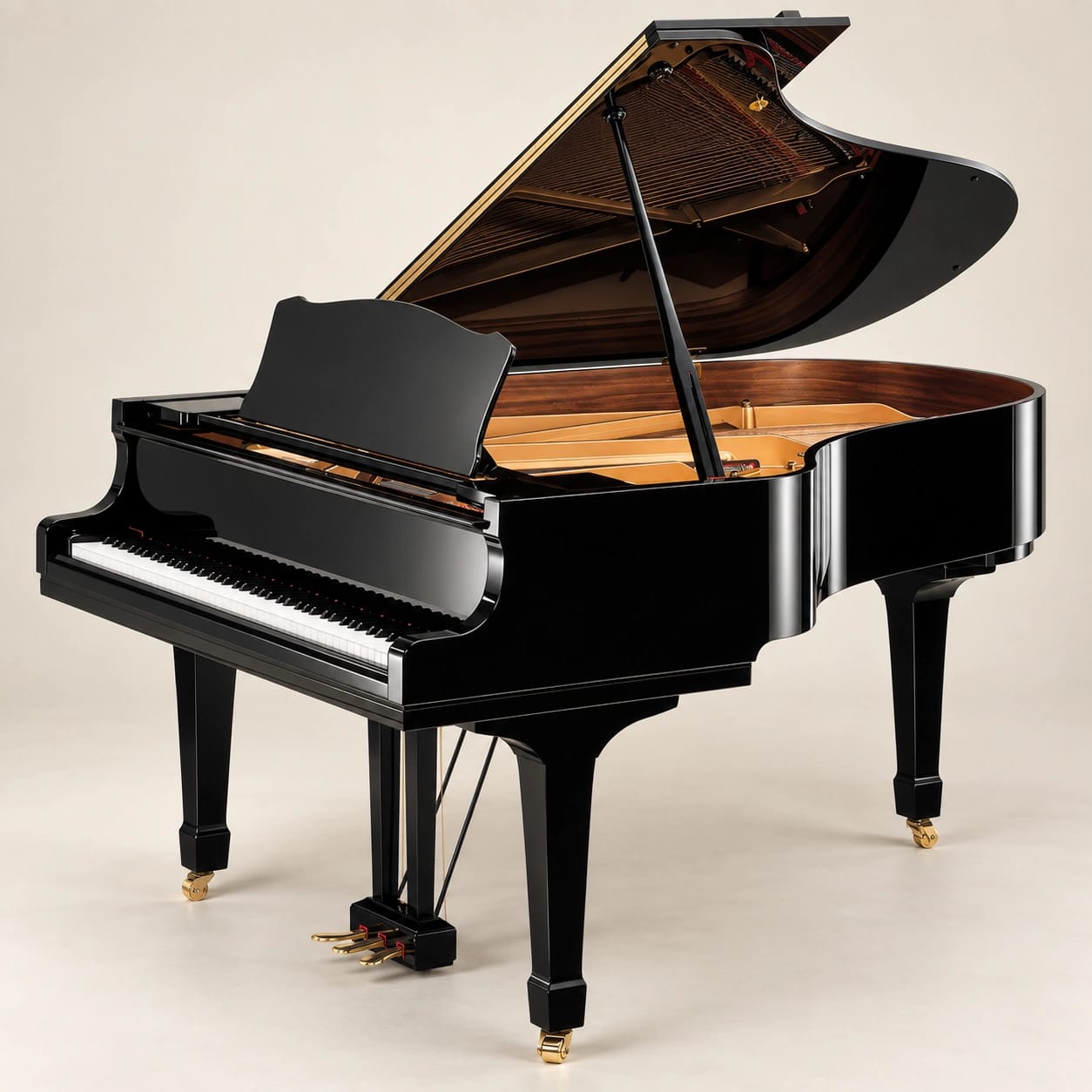
Black, white and clear grand pianos. We confirm availability and arrangements for each booking.
At a glance
What matters for your hire.
For Barwon Heads, Torquay or Anglesea, request an exact-location check and describe the named room, intended piano use, venue permission and delivery-to-position route. Confirm collection as carefully as arrival. Do not extend the named regional option to neighbouring places or interpret a stage, accessible entrance or room plan as piano-delivery approval.
The collection
Find your grand piano.
Explore the instrument as well as its finish. We can talk through the right option for your plans and dates.
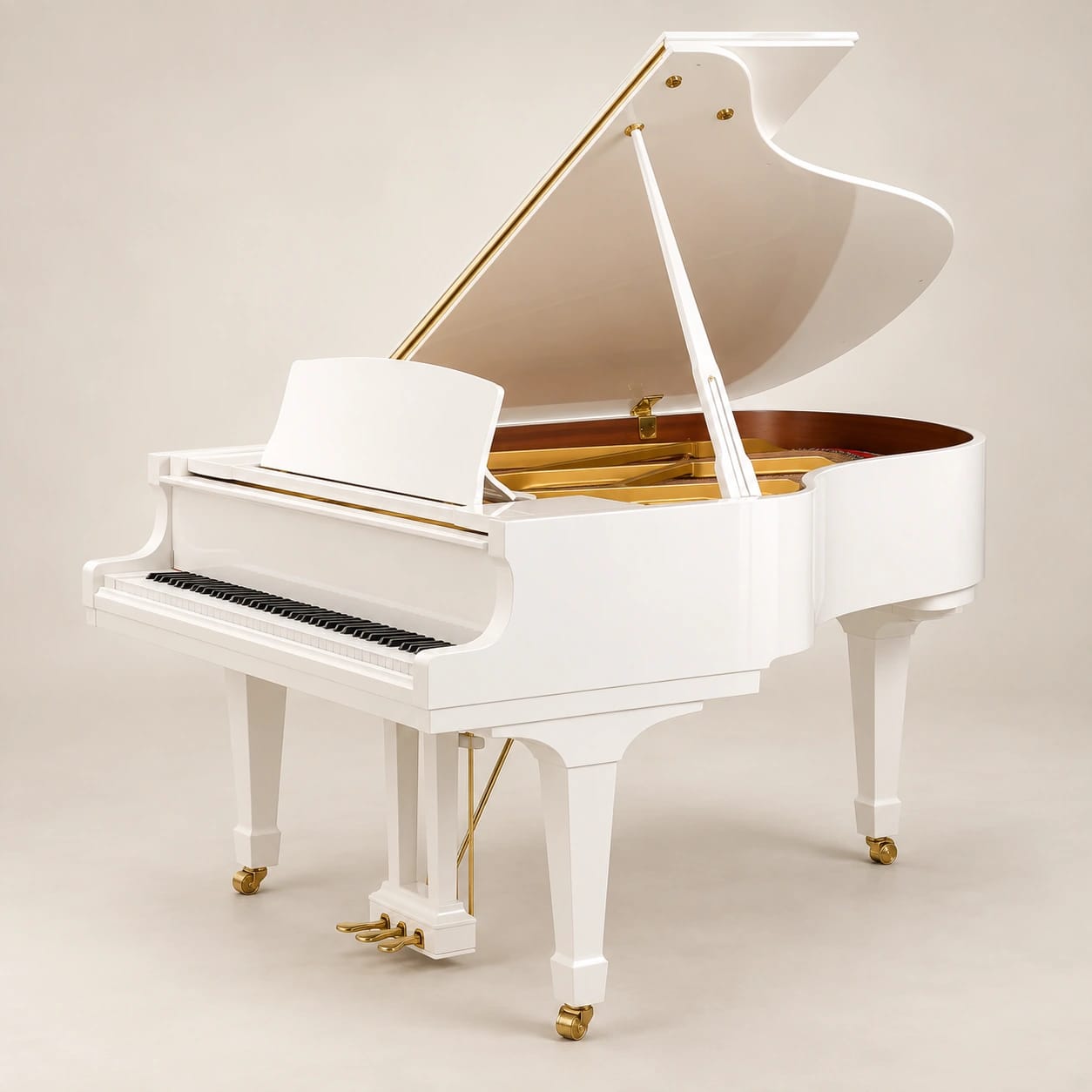
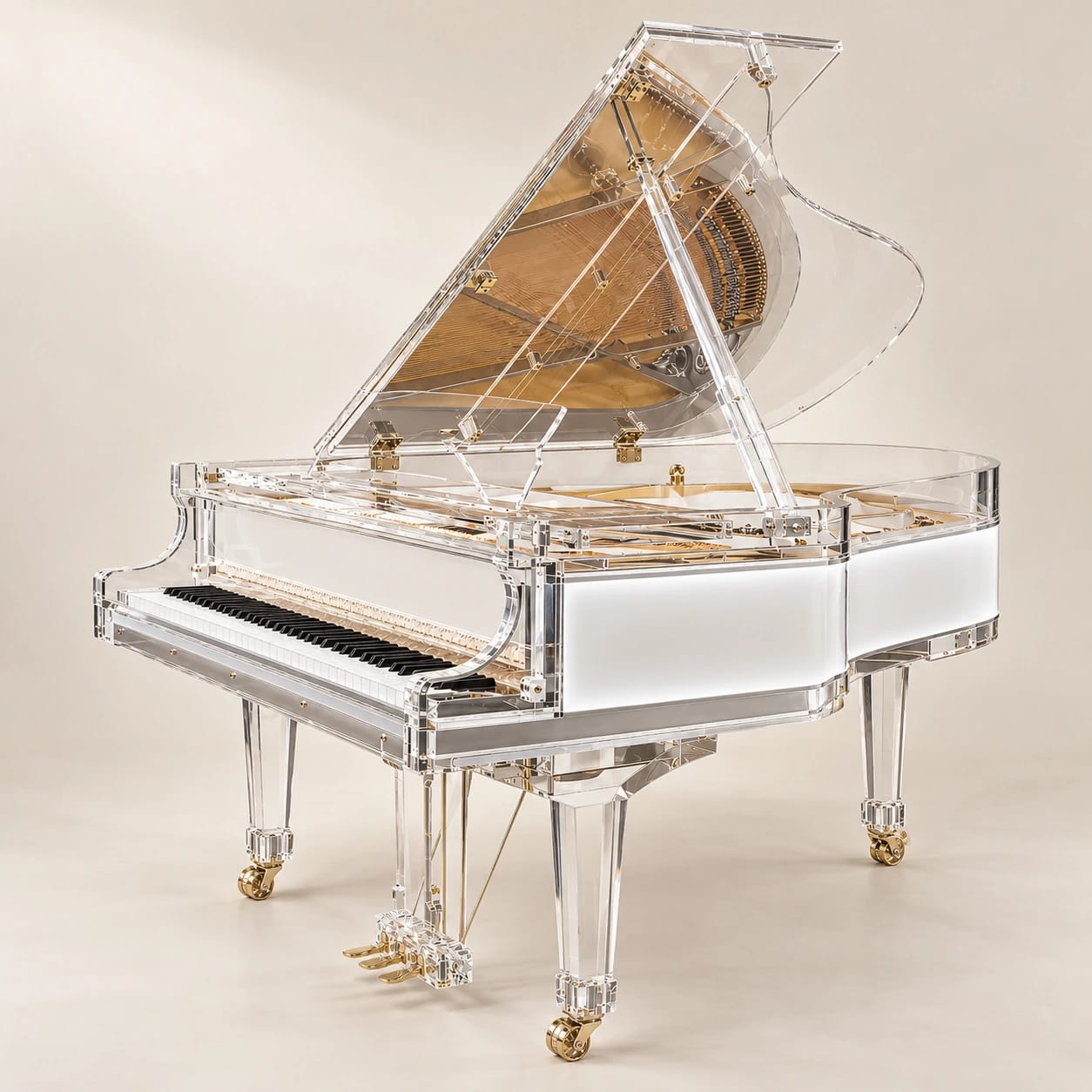
Studio visualisations. Date availability and venue arrangements are confirmed separately.
At a glance
Build a town-specific regional brief
Check the location
Identify the exact town, address and proposed use.
Confirm the operator and room
Ask who authorises the instrument and which configuration is booked.
Distinguish floor and stage
Document the route to the actual final position.
Align the programme
Separate arrival access, first readiness and collection.
Retain one accepted plan
Record the quote, permissions and responsible handover roles.
Let’s talk about your hire
Have a date or venue in mind?
Tell us the occasion, the piano and the details you know. We can help work through the rest.
The practical details
Plan your hire with confidence.
Explore the parts that matter to your plans. If you’re unsure, we can talk them through with you.
A little more about this hire
Barwon Heads, Torquay and Anglesea sit together as a named regional option in Piano Hire Australia’s booking arrangements. That grouping is a starting point for an enquiry, not a statement that every surrounding locality, shared postcode or venue can accept a grand piano. The useful next step is to describe the actual address, room and proposed use.
A regional piano booking can involve several separate decisions: whether the venue permits an outside instrument, which room configuration is booked, how the complete route will be assessed and when the space is available for both visits. Public venue pages can help identify questions, but they cannot answer all of them.
This guide uses two current official venue references to show the difference between a published room feature and a booking-specific approval. Neither reference is a partnership claim or evidence of a previous Piano Hire Australia delivery. Use the examples to prepare a clearer conversation about your own event.
Explore the topics on this page
Keep the three named towns separate from surrounding coverage
Use the actual locality and postcode in the private enquiry or booking process. A regional grouping should not be read as a boundary drawn around every nearby property. Shared postcodes can contain more than one locality, and a map’s regional label does not establish the business’s current service decision for an individual request.
Read the detail about Keep the three named towns separate from surrounding coverage
If your event is outside the three named towns, ask about that location explicitly rather than choosing the nearest name and assuming the same arrangement applies. Describe any unusual approach or property access early. The business needs to consider the real proposal, not an approximate town label that later turns out to refer to a different site.
Keep the question open until the relevant details are confirmed. An enquiry can be useful before every venue decision is final, but it should identify what is known and what is provisional. This is particularly important when a planner is collecting quotes for several possible locations. Record a separate scope for each option so information about one site does not accidentally become an instruction for another.
Ask who controls the room and supplier permission
Find out who can answer questions about the actual booking. A venue listing may be published by a council, a resort operator or another organisation, while the practical arrangements are handled by a particular venue team. Use the current booking contact to establish who can authorise an outside hired instrument and provide relevant access information.
Read the detail about Ask who controls the room and supplier permission
Do not transfer conditions from a different facility simply because the venues are in the same town. Ask for the rules that apply to your room, date and intended use. Keep those conditions with the enquiry so the piano business can consider them. Permission from the venue and acceptance by the supplier are different decisions, and both need a clear basis.
If a room already contains a piano or other equipment, ask the operator how that affects the proposed arrangement. Do not assume existing equipment can be moved, that another instrument may be added or that any house piano is part of the hire offer. The presence or absence of a piano also needs current confirmation rather than inference from an old photograph.
Use the Torquay ballroom example to identify configuration questions
RACV’s official Torquay venue page describes the Great Ocean Road Ballroom and says it can be divided into the Rincon and Winkipop rooms. That information was checked on 4 November 2026. It makes the exact room configuration a useful question: a plan for the complete ballroom should not be treated as the plan for one divided room.
Read the detail about Use the Torquay ballroom example to identify configuration questions
If this venue is being considered, ask which configuration is included in the event booking and where the piano is proposed within it. Request the current room plan and authorised supplier route. A published floor plan or capacity table does not establish the placement of a grand piano within the completed event layout, nor does it confirm permission to bring one in.
The example is relevant even if you choose another venue. Room divisions, temporary partitions and simultaneous activities can change what a general venue description means for a particular event. Ask about the configuration actually being hired, then keep that answer with the access and programme information. No previous delivery, preferred-supplier status or venue relationship is claimed here.
Keep Anglesea hall-floor and stage questions distinct
Surf Coast Shire’s official Anglesea Memorial Hall page lists a main hall with a stage and accessible entry. The listing was checked on 4 November 2026. Those are useful published features, but accessible entry for people does not certify the route or method needed to place a hired grand piano on the hall floor or stage.
Read the detail about Keep Anglesea hall-floor and stage questions distinct
If you are considering the hall, identify whether the proposed piano position is on the floor or on the stage. Ask the operator for the relevant route information and who can confirm structural and access requirements. Do not infer a loading route, lift provision, suitable stage capacity or equipment permission from the presence of a stage in the listing.
Apply the same distinction to any performance space. The audience entrance, the route to the room and the route onto a raised platform may answer different questions. Record them separately and send the actual proposal for assessment. The venue listing remains the operator’s information, and its inclusion here does not mean Piano Hire Australia has inspected, approved or previously supplied the site.
Describe the event before selecting the piano
Explain whether the instrument is for a performance, a wedding programme, a private celebration, a display or photography. Where the use changes during the booking, describe the sequence. A piano displayed at an arrival reception and later played on a stage is not the same proposal as an instrument staying in one agreed position throughout.
Read the detail about Describe the event before selecting the piano
The current collection is the white Stenberg 152, black Yamaha C3 and clear Teschendorf M170. Compare the actual models with the intended use and ask the performer about any essential requirements. Keep appearance preferences and playing requirements visible rather than assuming that a preferred finish settles every part of the selection.
Check availability for the requested dates through the business. If the event depends on a particular model, make that clear before the programme is finalised around it. If your plan can accommodate alternatives, describe the flexibility accurately. Do not assume an identical replacement, a performer service or other production equipment is included simply because a grand piano is being hired.
Create a route record that matches the proposed position
A useful route record begins at the venue’s authorised arrival point and continues through every transition to the final position. Number photographs in the same order as the route sketch. Include doors, corners, surface transitions, changes of level and any controlled access area. Mark parts you have not been able to inspect.
Read the detail about Create a route record that matches the proposed position
Explain the room’s expected state when delivery occurs. Will furniture already be installed? Will a temporary partition be closed? Will another supplier be working in the same approach? These are coordination questions to discuss with the organiser and venue, not a request for you to decide how the piano should be handled.
Use the size-and-access guide when preparing measurements. Identify their source and uncertainty, and avoid calculating safe clearances or floor loading from a product specification. The specialists responsible for the arrangement need to assess the particular instrument and route. A broad description such as easy access or plenty of room should not replace the evidence needed for that decision.
Give arrival, readiness and collection separate times
The first useful time is when the instrument must be ready for its actual use. That may be a rehearsal or photography session before the audience arrives. The second is the venue’s permitted period for suppliers to enter. The third is when the piano use ends and the room can be released for collection. Keep all three visible.
Read the detail about Give arrival, readiness and collection separate times
Regional travel should not be converted into a delivery appointment using an ordinary driving estimate. Ask the business to assess the required arrangements for the real location and dates. Explain which requirements are fixed and which are preferences. Do not promise a specific arrival or collection to the venue before the supplier has confirmed it.
If on-site tuning is wanted, request it as an optional service and explain where it belongs in the programme. Same-day hire means arrival and collection on one booked future date, not delivery immediately after an enquiry. The standard online notice period is at least two days, while unusual or urgent proposals still need discussion rather than an availability assumption.
Keep coastal or outdoor imagery separate from an accepted setting
A coastal location does not mean the piano is intended to stand outside. Describe the actual position rather than relying on a photograph of the surrounding view. If the proposal is indoors, say which room. If it is outdoors or partly exposed, explain that explicitly and ask for individual assessment before treating it as a viable setting.
Read the detail about Keep coastal or outdoor imagery separate from an accepted setting
A covered terrace or marquee is not automatic evidence that a grand piano placement is suitable. Do not improvise weather protection, handling or relocation instructions from general event advice. Ask the relevant parties to consider the exact proposal, including any alternative location and how the decision between settings would be made.
Keep the alternative arrangement distinct. An indoor room elsewhere on the site may have a different route, permission and programme. It should not be labelled an approved backup simply because it is available to discuss. The aim is to resolve uncertainty before arrival, without promising that the instrument can be shifted between settings at short notice.
Compare regional enquiries on the same basis
If you are comparing several venues across the three towns, prepare a short scope for each. Include the instrument, dates, room, access information, required readiness and collection conditions. Then ask for current quotes against those scopes. A single regional label cannot explain every practical or pricing difference between the proposals.
Read the detail about Compare regional enquiries on the same basis
Do not carry a price or accepted condition from one venue to another without asking. The relevant arrangements may change with the address, route or timing. Keep separate venue costs distinct from the piano quote and ask the appropriate provider about each. This page does not provide an evergreen regional fee or a promise of equivalent totals.
Once an option is chosen, retire the alternatives from the live event instructions. Retain the accepted quote and current terms with the final plan. If the room or date changes, explain the revised proposal and wait for confirmation. The business’s published FAQs describe hire-time and venue changes as case-by-case matters, not automatic permissions.
Prepare collection as a venue handover
Before the event begins, identify the role responsible for the collection handover. Confirm that the person has the accepted arrangement and knows how the venue will be accessed. The contact who arranged the event may not remain on site until the end, so avoid making them the only person who understands the plan.
Read the detail about Prepare collection as a venue handover
Check whether the room and route will change after guests leave. Packed tables, staging or other suppliers’ equipment can affect access that was clear at installation. Coordinate the event team around the confirmed route and communicate changes to the business. Do not ask unappointed people to move the piano to make collection easier.
After the hire, retain useful planning notes without treating them as approval for another event. Even the same venue can use a different room configuration or programme next time. A good regional booking record identifies the actual arrangement that was agreed, making future enquiries more accurate while leaving room for a fresh assessment of current conditions.
Want to organise your notes first?
Your enquiry
Prepare a coastal regional piano enquiry
Organise the proposal without entering private addresses or personal contact details. The tool does not approve coverage or access.
Your notes stay in this page. Nothing is sent or saved automatically.
0 / 4,000 enquiry-note characters. Only answered fields and selected checks are included.
Read or select your brief
Barwon Heads, Torquay or Anglesea hire brief

Named town and venue type: To confirm
Room configuration: To confirm
Intended use and instrument: To confirm
Venue permission: To confirm
Route evidence: To confirm
Readiness and collection: To confirm

Planning checklist
[ ] Check the exact locality rather than neighbouring coverage.
[ ] Ask the current operator about outside-instrument permission.
[ ] Use the actual room configuration.
[ ] Keep stage access distinct from room entry.
[ ] Document the complete proposed route.
[ ] Treat exposed positions as separate assessment requests.
[ ] Confirm regional timing rather than calculating an arrival.
[ ] Assign the collection handover role.

Planning notes only. Piano availability, access and arrangements need confirmation before booking.
Good to know
Your questions, answered.
Are all nearby coastal towns included in this option?
No blanket expansion is implied. Barwon Heads, Torquay and Anglesea are the named regional option, and the exact address and postcode still need checking. Ask separately about surrounding localities rather than assuming proximity or a shared postcode establishes service.
Does an accessible entrance mean a grand piano can enter?
No. An accessibility feature for people is not a piano route assessment. The instrument, proposed method, connected spaces and final position need the appropriate specialist consideration. Describe the actual route and ask for confirmation instead of treating the venue feature as approval.
Can a piano be placed on a hall stage?
The particular stage and route need assessment and venue agreement. Do not infer suitable loading, clearance or permission from the fact that a stage is published in a listing. Identify the proposed position and ask the venue who can supply the relevant structural and access information.
Are the named venues affiliated with Piano Hire Australia?
No affiliation, preferred-supplier arrangement or past hire is claimed. The official references provide limited room facts checked on 4 November 2026. You still need current venue permission and a booking-specific assessment of the instrument, route, dates and intended use.
Can we use one quote while deciding between the three towns?
Ask the business how it would like the alternatives presented and keep a distinct scope for each location. Different rooms, routes and schedules can affect the assessment. Do not assume a quote for one proposal remains valid after the location or other material details change.
Let’s talk about your hire
Tell us what you’re imagining.
Tell us the occasion, the piano and the details you know. We can help work through the rest.