Find your piano hire
Piano hire by use
Find grand piano hire for the event, production or space you have in mind. Explore the different uses, compare our three instruments and tell us what you would like to arrange.
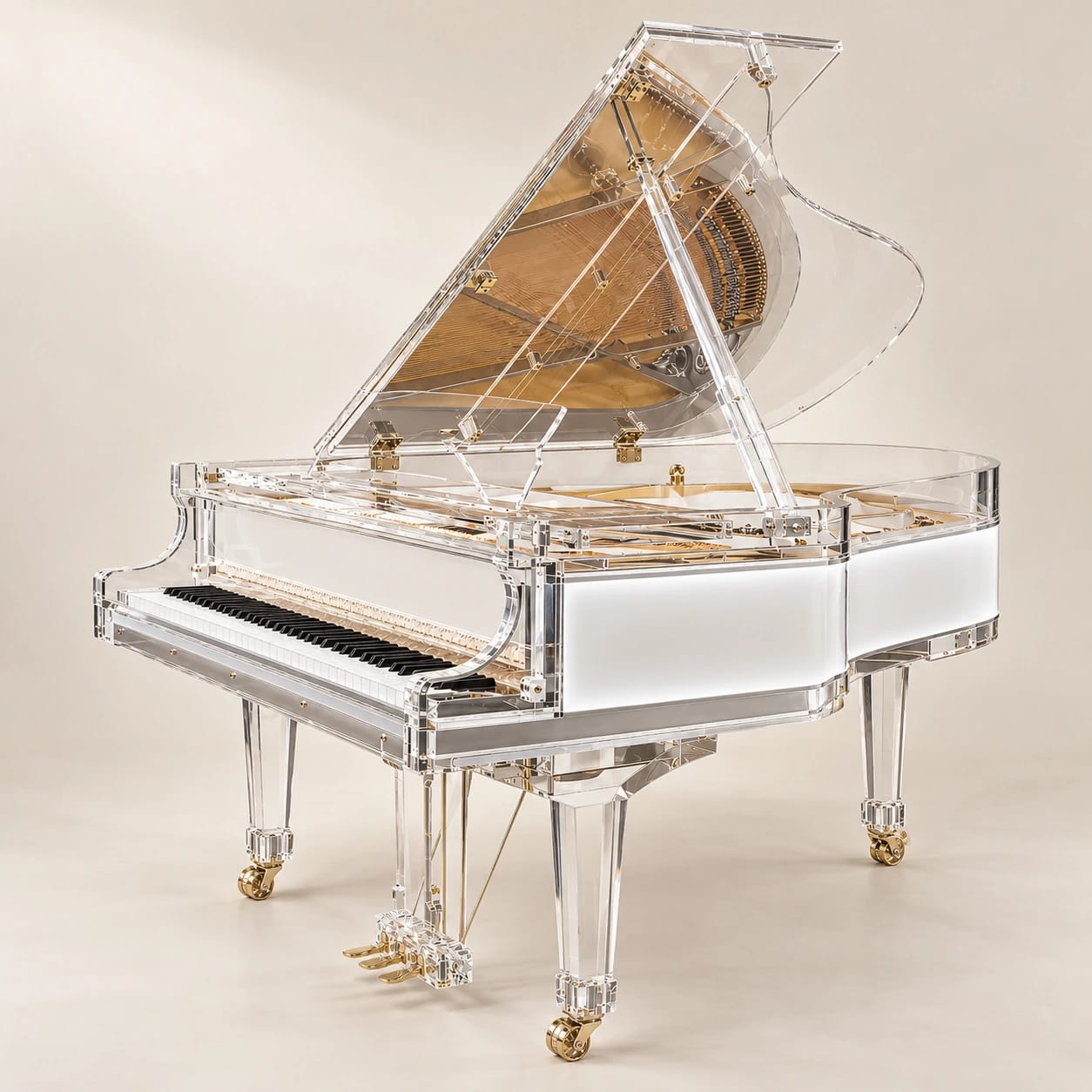
Black, white and clear grand pianos. We confirm availability and arrangements for each booking.
At a glance
What matters for your hire.
Choose the primary use first: a live event, a performance or recording, a styled display, or a photographic production. Then confirm who approves the instrument, where it will be placed and how long the location needs it. The current collection contains three grand pianos. Dates, access and any special arrangements must be confirmed for the actual booking.
The collection
Find your grand piano.
Explore the instrument as well as its finish. We can talk through the right option for your plans and dates.
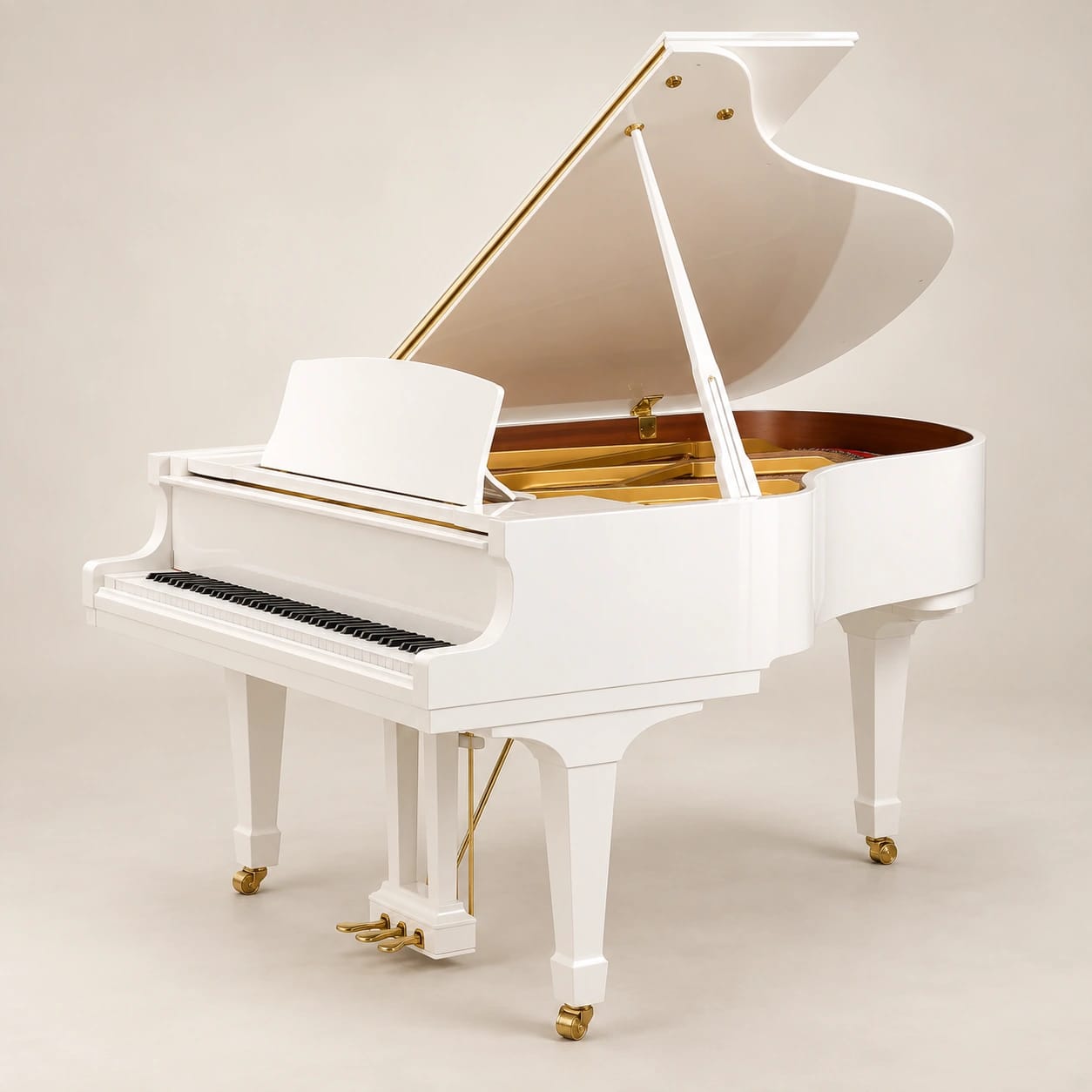
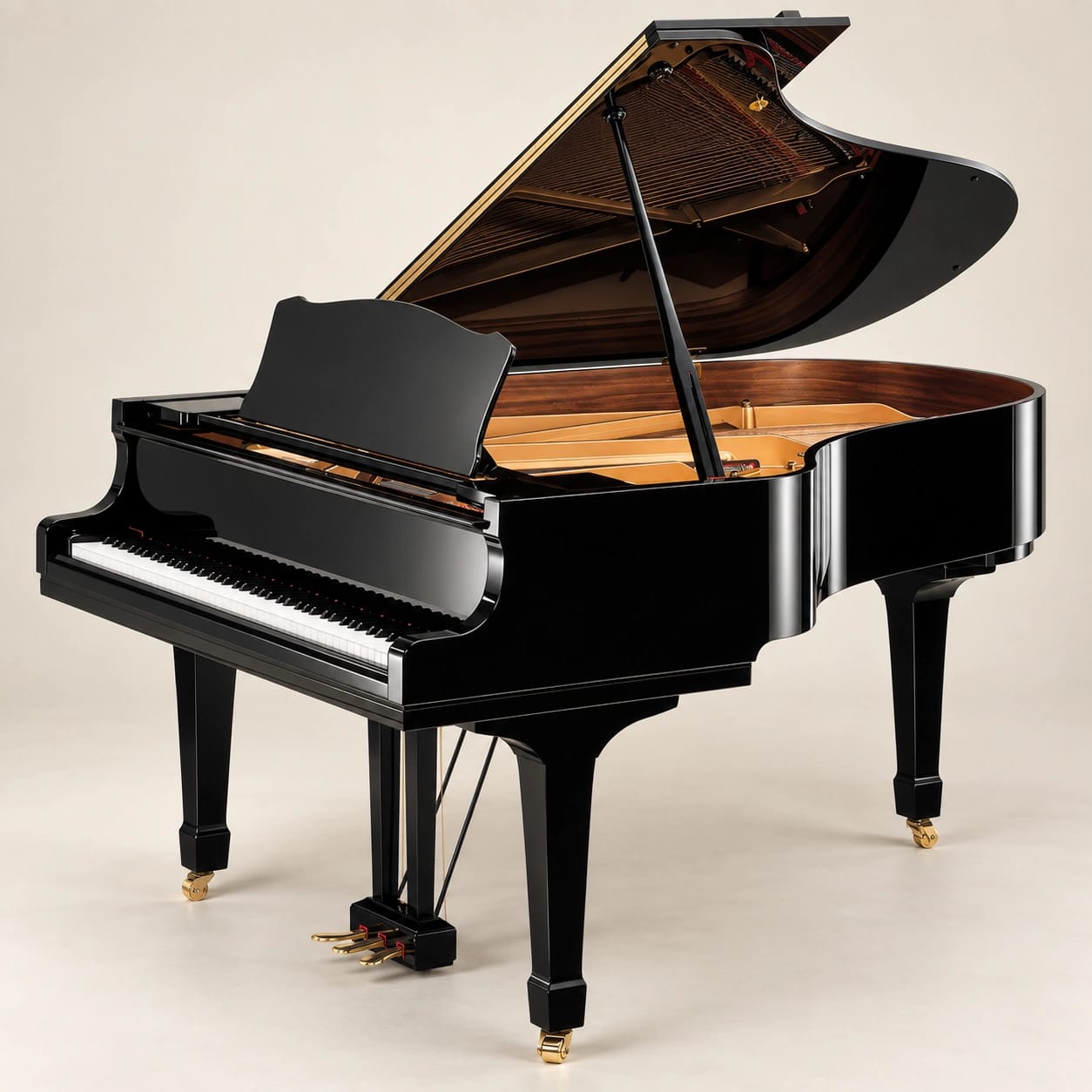
Studio visualisations. Date availability and venue arrangements are confirmed separately.
At a glance
Find the right planning route
Name the main job
Decide whether playing, appearance or both is central.
Choose the closest use
Match the event, performance, display or photographic workflow.
Identify the approvals
List the artist, creative lead and venue decisions still needed.
Describe the occupied period
Include preparation and collection as well as public use.
Confirm the booking route
Use the collected information for booking or an individual enquiry.
Let’s talk about your hire
Have a date or venue in mind?
Tell us the occasion, the piano and the details you know. We can help work through the rest.
The practical details
Plan your hire with confidence.
Explore the parts that matter to your plans. If you’re unsure, we can talk them through with you.
A little more about this hire
The easiest place to start is with the job the piano needs to do. A wedding ceremony, a recording session and a property display can all involve a grand piano, but they create very different decisions about the instrument, the room and the time it needs to stay there. Choosing the closest use gives you a practical route through those decisions.
Use this page to identify your main purpose before moving into a more specific guide. If your plans cross several categories, describe the combination rather than forcing it into one label. A piano might appear in campaign photography and remain for inspections, or support both a corporate performance and a reception. The shared plan needs to account for every use.
Explore the topics on this page
Decide whether sound, appearance or both comes first
Start with the outcome you would notice if the piano were missing. Would the performance lose its instrument, would a room lose its focal point, or would a photograph lose the object that anchors the composition? That answer helps identify which decisions deserve attention first. It also makes the enquiry more useful than a broad request for a piano for an event.
Read the detail about Decide whether sound, appearance or both comes first
If the instrument will be played, involve the musician or producer in the model choice and preparation requirements. If it is primarily a display, involve the person responsible for the room’s styling and public use. When both matter, keep both people in the conversation. A visually preferred finish should not silently override a performer’s requirements, and a technical choice should not arrive as a surprise to the creative team.
The current models are the white Stenberg 152, black Yamaha C3 and clear Teschendorf M170. These are actual grand-piano choices, not a catalogue of keyboards, uprights or empty shells. Use the collection to discuss the available finishes and models, then confirm suitability and availability through the booking process. A use category is a starting point for a conversation, not a promise that any model fits every room or performance.
Start with the event when guests and a programme drive the plan
Weddings, corporate functions, private celebrations and other organised events usually have a public programme that shapes the hire. The important questions are where the piano belongs in that programme, whether it will be played and when it needs to be ready. Think beyond the guests’ arrival time: styling, rehearsals, sound work and photography may all need earlier access to the finished position.
Read the detail about Start with the event when guests and a programme drive the plan
For a wedding, begin with the ceremony or reception role and check whether those activities use the same room. For a corporate event, identify whether the piano supports a performance, reception atmosphere or the visual presentation. For a private party, consider the relationship between the playing area, seating and general guest movement. These decisions help the relevant event page focus on the right practical issues.
Keep the instrument booking separate from a booking for a pianist, sound equipment or staging. If those services are needed, the responsible suppliers should agree a shared schedule with the venue. The piano plan needs to describe its place within that schedule without suggesting the hire itself includes every other part of the entertainment. Where an internal move is proposed, raise it as a requirement to assess rather than something to arrange casually on the day.
Use the performance route when an artist has requirements
Concerts, touring appearances and recording sessions should begin with the person responsible for the musical result. Ask for the instrument requirements before a booking is finalised. A requested brand or model, a preferred preparation sequence and an acceptable alternative can be more useful than a general statement that the piano must be suitable for a professional performance.
Read the detail about Use the performance route when an artist has requirements
A single performance at a known venue is different from an artist arriving between tour dates. The concert page helps organise the instrument around the show and rehearsal; the touring-artist page concentrates on approval, advance information and continuity between the artist’s team and the local venue. A recording brief adds the producer’s requirements for the session and the time available to assess the instrument in the room.
The availability of a model in the collection does not establish that it satisfies a rider or a particular recording objective. Get that acceptance from the relevant artist or producer. If on-site tuning is requested, discuss it explicitly and plan a quiet opportunity for the work. Your schedule should allow decisions to be resolved before the critical performance or recording period begins, rather than leaving acceptance to an already crowded setup window.
Choose a display use when the room is the main setting
Property styling and developer displays use the piano as part of a room that people will view, photograph or move through. The central decision is often how the object supports the intended presentation over time. It may remain in place during several inspections or throughout a display period, so the hire plan needs a start and finish that reflect the whole use rather than the opening photograph alone.
Read the detail about Choose a display use when the room is the main setting
For a property being sold, the property-styling page helps decide whether the room benefits from a piano and what the selected finish should contribute. The real-estate campaign page follows the sequence from styling and photography through inspections, possible changes and collection. A developer display has another pattern: the premises may be opening, operating publicly or moving through a staged launch, with different people responsible at each point.
Do not assume that a piano used visually becomes ordinary furniture. It still needs an approved position and specialist handling. If the room is rearranged, tell the team before anyone moves the instrument. Longer hires are discussed individually where necessary, and extensions depend on agreement. A display brief should identify its review points and who is responsible for keeping the current plan accurate throughout the occupied period.
Use photography planning when the image drives the booking
A photo shoot has a specific relationship between preparation time and the moment the camera is ready. The piano may be the subject, a supporting object or part of a room setting. Explain that role when choosing a model and finish. Share the intended scene in practical terms, including the room, backdrop, people and whether anyone will play, without assuming a reference image establishes that the proposed setup is possible.
Read the detail about Use photography planning when the image drives the booking
A useful production plan separates instrument placement from camera and lighting adjustments. The photographer can change the camera position as part of the shoot, but a change to the piano’s position needs the agreed handling arrangement. If several scenes depend on moving the instrument, list them before booking so the team can assess the request. A shoot schedule should not hide an unplanned relocation inside a simple scene change.
Allow for preparation and the final pack-down as well as time on camera. Ask the location about access before choosing the hire dates. Props, set construction and other deliveries can make a route different from the empty room shown in a scouting photograph. The photography page helps organise those production decisions, while the separate photo-shoot planning guide goes deeper into preparing a usable location brief.
Allow a different planning rhythm for funerals and memorials
A funeral or memorial enquiry often starts with a particular piece of music, a family preference or a wish for a more personal setting. The first task is to establish whether a hired instrument is wanted and whether the venue can consider the proposed arrangement. The family should not have to resolve transport details during the service itself. A clear coordination route is valuable from the beginning.
Read the detail about Allow a different planning rhythm for funerals and memorials
The funeral page focuses on arranging an instrument around a scheduled service and its venue requirements. A memorial or celebration of life may have a different format, more flexible timing or a gathering after the formal programme. The memorial page helps shape the piano’s role within that format. If a funeral director is managing the arrangements, the professional guide sets out the information and handovers they can coordinate on the family’s behalf.
Time may be limited, so distinguish an enquiry from a confirmed booking. Explain the service date and the venue’s constraints as early as possible, and ask what can be assessed. A request for urgent assistance is not a guarantee of availability. Keep musical choices, the performer’s arrangements and the physical instrument booking as separate items that meet in one agreed programme.
Check the location before relying on a use category
The same intended use can involve very different sites. A corporate performance in an established function room, a photography session in a residential property and a wedding at a regional venue each need their own location assessment. The fact that a use appears on this page does not confirm access, outside-supplier permission or service coverage for a particular address.
Read the detail about Check the location before relying on a use category
Begin with the actual room and its permitted route, then ask the venue about restrictions affecting delivery and collection. Relevant information might include a loading arrangement, a lift booking, level changes or a deadline for clearing the room. Describe these conditions without deciding yourself that the piano will fit. The team needs to assess the complete movement and placement plan.
The service-areas page is the right place to understand the location enquiry process. For a regional request, supply the location and postcode rather than assuming a whole tourism region has identical arrangements. Outdoor settings, beaches and other unusual placements need individual assessment. A location photograph is useful context, but it does not replace permission, safe access or a confirmed plan for the instrument.
Turn a mixed-use idea into one coherent brief
Some of the most easily misunderstood bookings involve more than one use. A property may need a piano for photography on one day and inspections over the following weeks. A brand launch may involve a visual installation, a short performance and another photo session. In each case, the plan should explain which activities share the same position and which introduce a new requirement.
Read the detail about Turn a mixed-use idea into one coherent brief
Create a simple sequence with the piano’s required state at each point: delivered and placed, available for preparation, ready for use, remaining on site or awaiting collection. Next to each activity, identify who needs to approve the instrument or the room. This makes dependencies visible without turning the brief into an elaborate production document.
A change of use is worth discussing even if the address and dates do not change. A display instrument that will now support a performance may need additional consideration, while a new room setting may change access or placement. Keep the current booking and any agreed amendments together. One accurate shared brief is more useful than several separate conversations that each describe only part of the hire.
Choose a next step that matches what is known
If you know the use, model preference, venue and dates, move to the appropriate hire page and prepare the booking details. If an important part is unknown, use the brief builder on this page to separate what is decided from what needs discussion. There is no need to invent an answer just to make a form feel complete. Clear uncertainty gives the team a useful question to resolve.
Read the detail about Choose a next step that matches what is known
Ask the right person for each missing item. The performer approves musical requirements, the stylist or creative lead explains the visual role, and the venue confirms its access and supplier requirements. The piano team assesses the instrument arrangements. One person may coordinate the conversation, but coordination does not give them authority to approve everybody else’s requirements.
Review the outline once those answers arrive. It should say what the piano is for, which model is requested, where it will remain, when it is needed and which arrangements have been confirmed. Then follow the booking or individual-quote process. The purpose of choosing a use is to make that next conversation easier, while keeping the final decision grounded in the actual event, room and people involved.
Want to organise your notes first?
Your enquiry
Build your hire-use brief
Create a copyable outline of the use and unresolved decisions. Nothing is submitted from this tool.
Your notes stay in this page. Nothing is sent or saved automatically.
0 / 4,000 enquiry-note characters. Only answered fields and selected checks are included.
Read or select your brief
Your hire-use outline

Main purpose: To confirm
Secondary uses: To confirm
Preferred instrument: To confirm
Location type: To confirm
Required period: To confirm
Approvals still needed: To confirm

Planning checklist
[ ] The main purpose is stated clearly.
[ ] Every planned use is included.
[ ] The person approving the instrument is identified by role.
[ ] Any relocation has been flagged.
[ ] Venue and transport questions are separate from the creative brief.
[ ] Availability will be checked through the booking process.

Planning notes only. Piano availability, access and arrangements need confirmation before booking.
Good to know
Your questions, answered.
Can one booking cover a piano that is both played and displayed?
Describe both uses in the same brief. Explain who will play, which periods are for display and whether the instrument remains in one position. The team can then consider the complete requirements, including any requested tuning. Do not assume that a visual booking automatically covers a later performance plan.
Which page should I use if I am organising on behalf of someone else?
Start with the actual use, then consult the relevant professional guide if you are a venue manager, funeral director, photographer or property professional. The use page helps define the hire; the audience guide helps organise approvals and handovers. Your role and the piano’s purpose are related but different questions.
Does choosing a use reserve a suitable piano?
No. These pages help you plan and describe a request. A model, date or use category shown in the planning material is not a reservation or an access approval. Continue through the booking or enquiry process and retain the confirmation that sets out the agreed instrument and arrangements.
What if my idea is not listed here?
Describe the purpose, location and proposed dates through the contact process. Explain what is unusual and which parts of the plan are flexible. The team can consider the request without assuming it fits an existing package. An unlisted idea is a question to assess, not a promise that the service is available.
Let’s talk about your hire
Tell us what you’re imagining.
Tell us the occasion, the piano and the details you know. We can help work through the rest.