Compare hire periods
Same-day or overnight piano hire: plan the complete booking
Compare same-day and overnight hire around the whole event, including preparation and collection. Use the timeline to identify the arrangement you need, then talk with us about your dates and venue.
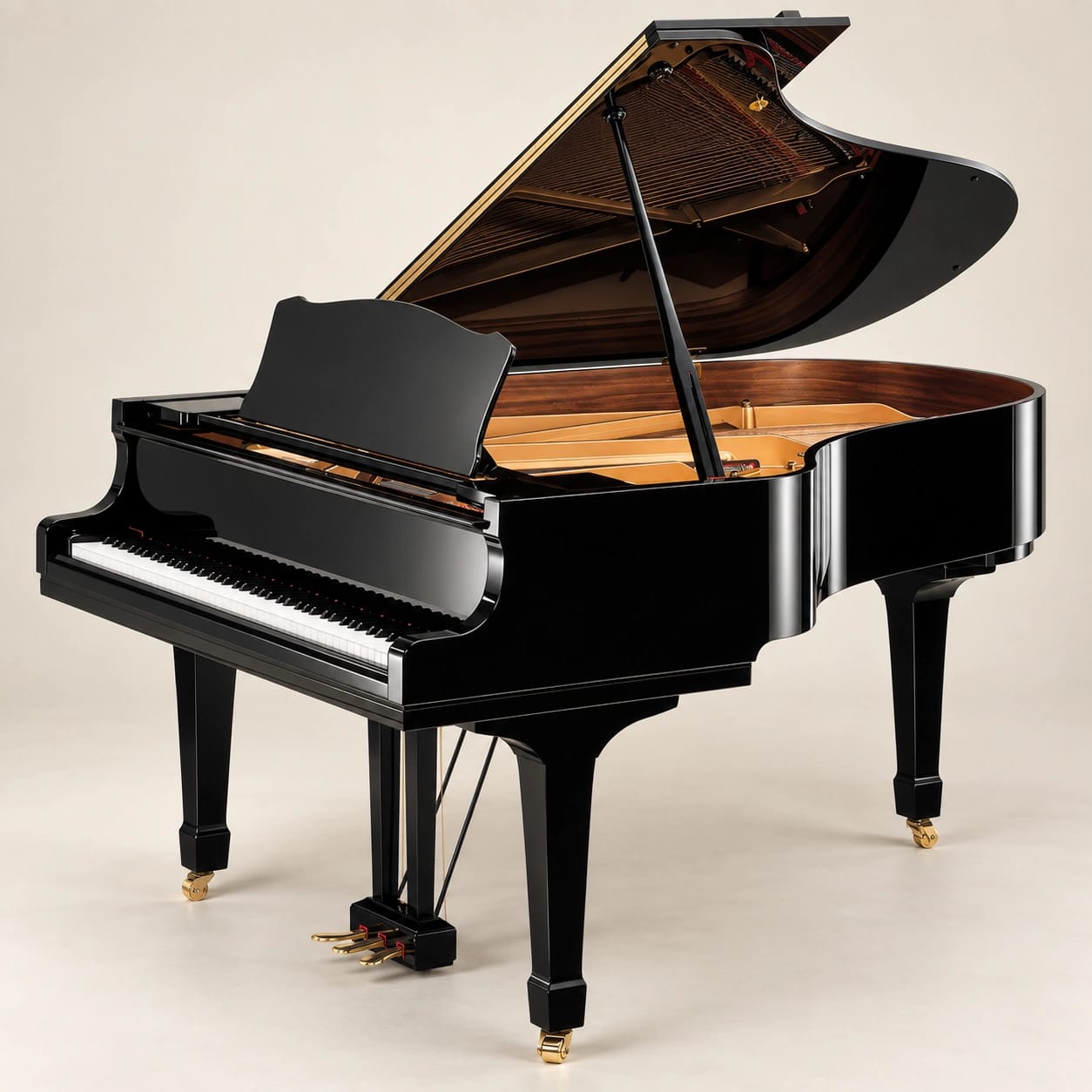
Black, white and clear grand pianos. We confirm availability and arrangements for each booking.
At a glance
What matters for your hire.
Choose same-day hire when the venue can accommodate delivery, preparation, use and an agreed collection on one date. Consider overnight hire when access, rehearsal, event timing or room turnaround makes that sequence too tight. Compare complete quotes and venue responsibilities; an overnight booking does not automatically include late collection, tuning or extra uses.
The collection
Find your grand piano.
Explore the instrument as well as its finish. We can talk through the right option for your plans and dates.
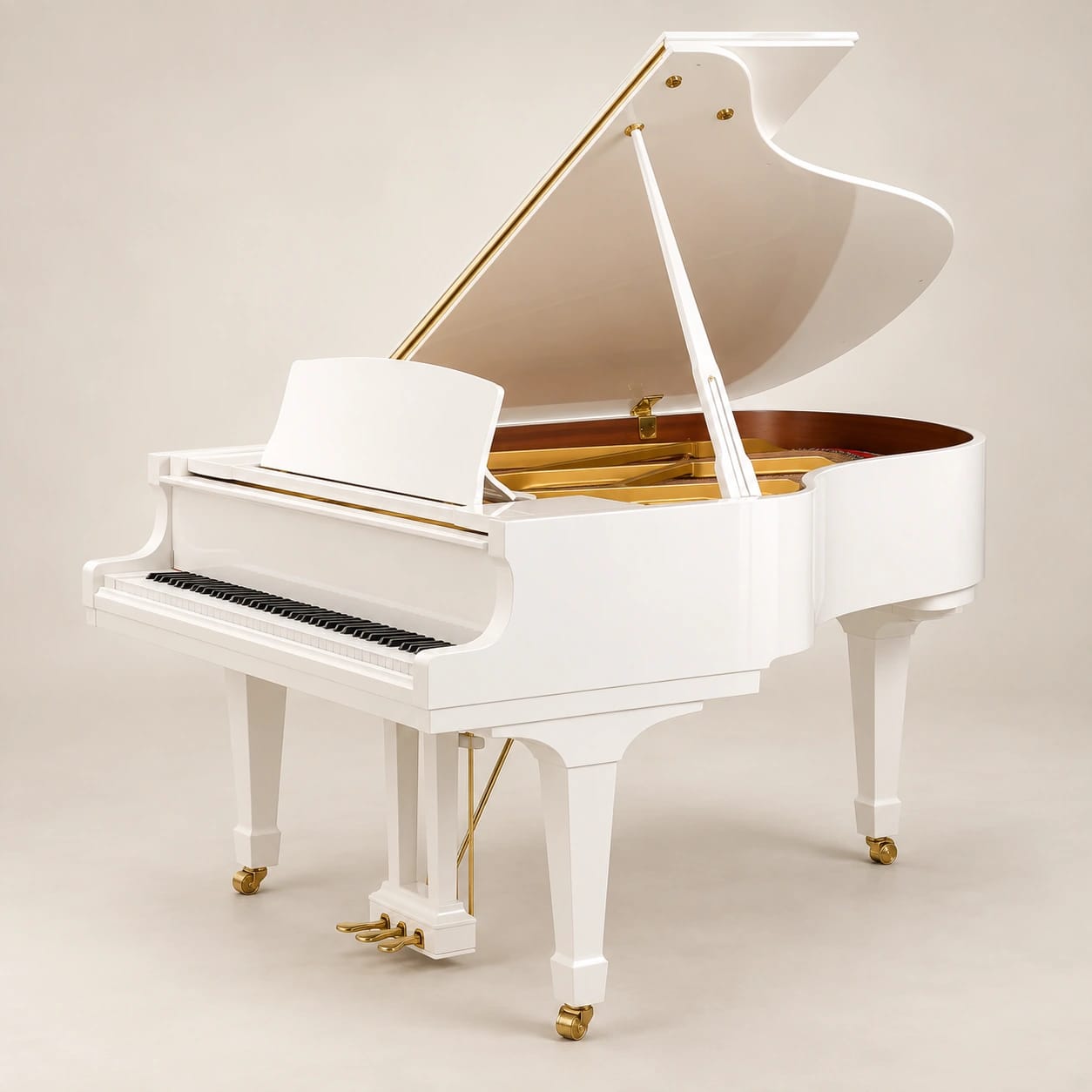
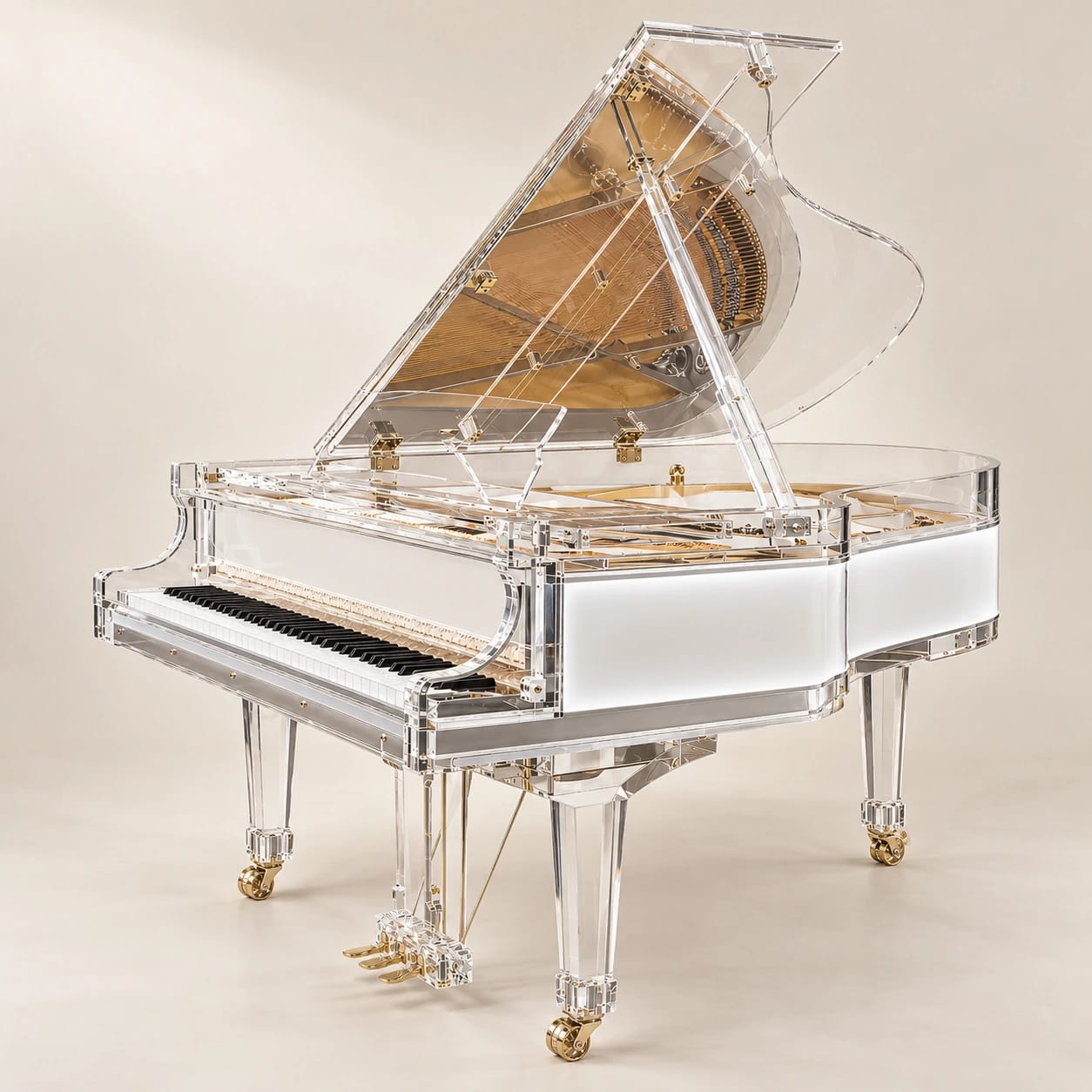
Studio visualisations. Date availability and venue arrangements are confirmed separately.
At a glance
Choose the duration from the full timeline
Mark the first use
Include rehearsal, preparation and requested tuning.
Check access at both ends
Obtain delivery and collection conditions from the venue.
Test one-date feasibility
Identify conflicts between preparation, guests and clear-out.
Assess an overnight stay
Agree room responsibility and what the extra night solves.
Compare and confirm
Use complete quotes and retain the agreed schedule.
Let’s talk about your hire
Have a date or venue in mind?
Tell us the occasion, the piano and the details you know. We can help work through the rest.
The practical details
Plan your hire with confidence.
Explore the parts that matter to your plans. If you’re unsure, we can talk them through with you.
A little more about this hire
An event may last an hour while the piano needs a much longer place in the schedule. The important comparison is between two complete arrangements: delivery, preparation, use, clearing the room and collection on one date, or a booking that leaves the instrument in place overnight. Working through that sequence usually makes the choice clearer than starting with the duration of the performance.
This guide helps you compare the practical consequences before requesting a quote. Same-day hire means delivery and collection on the same booked future date. It does not mean a piano can be ordered for immediate delivery today. The normal online booking process requires at least two days’ notice, and date selection does not establish availability until the booking process confirms it.
Neither option is automatically the better or cheaper one. The useful choice is the arrangement that your venue can actually accommodate, with enough time for the intended use and an agreed collection plan. Keep uncertain timing visible in the enquiry so it can be assessed before you commit.
Explore the topics on this page
Start with the time the room is needed
Write down the earliest moment the piano must be ready and the latest moment it may remain in the room. These are more useful starting points than the advertised event hours. A ceremony might begin after a rehearsal, while a conference may need the piano set before guests enter the foyer. The supplier needs to understand the earliest actual use, not just the headline start time.
Read the detail about Start with the time the room is needed
Separate the room booking from the piano booking. A function room may be available to guests in the evening but accessible to suppliers only during another period. Equally, having the room overnight does not necessarily mean the loading entrance stays available overnight. Ask the venue to identify the permitted arrival and departure periods for the specific room and date.
Use a small timeline with four labels: access opens, preparation finishes, piano use ends and room must be clear. Add unresolved details as questions rather than estimating them away. If the collection window cannot be agreed, the same-day arrangement is not yet complete, even when delivery looks straightforward. This timeline gives both sides something concrete to discuss.
What a workable same-day sequence looks like
A same-day plan needs room for the whole sequence without depending on a series of best-case assumptions. Delivery must happen through the agreed route, placement must be completed, and preparation must finish before the instrument is needed. At the other end, the performance or display must finish before the agreed collection access closes. Both ends matter equally.
Read the detail about What a workable same-day sequence looks like
Keep the collection arrangement explicit when requesting the quote. Saying that the event finishes at eight does not answer whether guests leave immediately, furniture blocks the exit route or a venue representative will still be present. Describe the required clear-out separately from the event finish. The moving arrangements and venue rules must be agreed for that particular booking.
Same-day hire can be useful when the room has a clear period of exclusive use and the instrument does not need to remain afterwards. It becomes less workable if the programme can overrun, the venue closes access early or another supplier needs the same route at the same time. Raise conflicts early; do not assume collection can wait indefinitely or adjust without agreement.
Identify what the overnight stay actually solves
An overnight arrangement should solve a defined scheduling problem. It might separate delivery from an early programme, allow a planned rehearsal before the main day or avoid trying to clear a room immediately after guests depart. Write that purpose into the enquiry so the dates and access requirements can be assessed against what you actually need.
Read the detail about Identify what the overnight stay actually solves
Avoid treating an overnight stay as spare capacity for unplanned uses. If the instrument will be played at a rehearsal, displayed at a reception and used again the following morning, describe all three. Their timing may affect optional tuning, room access and supervision. The booking should reflect the intended programme rather than relying on a vague statement that the piano will be there overnight.
An extra night creates a period when the instrument is present but the event team may have left. Establish who controls the room, whether other activity is scheduled there and how the instrument remains in its agreed position. Ask the supplier and venue to confirm applicable requirements. Do not relocate it for cleaning or another function; changes need agreement and appropriate specialist arrangements.
Give rehearsal and optional tuning their own place
Rehearsal time is easy to hide inside a delivery request. A performer who needs the piano before a sound check has an earlier requirement than the audience attending the main event. Ask the performer for the period they need, then show that separately from other preparation. Do not promise access until the delivery and venue arrangements have been confirmed.
Read the detail about Give rehearsal and optional tuning their own place
On-site tuning is optional. If requested, ask how it should fit around room preparation, rehearsals and the performance. The published FAQs ask customers to allow a quiet hour for a tuning visit, but the actual visit and timing still need confirmation. A crowded production schedule is a reason to discuss the sequence, not to assume a tuner can work around every activity.
For a display with no planned playing, explain that purpose clearly. For a display that becomes a performance later, make both uses clear. The same piano can have different scheduling requirements within one event, and overnight presence by itself does not confirm that all preparation is included. Agree the relevant services in the booking rather than inferring them from the length of hire.
Agree who is responsible between the two visits
Delivery and collection can involve different people. The person opening the venue in the morning may not be the person closing it after the event. Give your team a handover process that explains the agreed position, collection plan and who can answer questions if the programme changes. Keep personal contact details in booking correspondence rather than a public planning document.
Read the detail about Agree who is responsible between the two visits
For an overnight booking, ask the venue who is responsible for the room outside event hours. Consider other events, cleaners, contractors and ordinary public access. These are questions about the actual premises rather than assumptions about a type of venue. A hotel, private house and function centre can each have different arrangements, even when the piano use looks similar.
Read the current hire terms alongside the venue agreement. Clarify where their responsibilities meet: access, approved placement, permitted handling and reporting a change or concern. If wording is unclear, ask before accepting the booking. A timeline is helpful, but it cannot replace accepted terms or give permission for the instrument to be moved by the event team.
Compare the complete scope rather than a single rate
Ask for like-for-like options using the same piano, location, access description and intended use. Change only the arrival and collection dates or windows you are genuinely comparing. Otherwise, a difference between two totals may reflect different access assumptions or optional services rather than the overnight stay itself. Keep a note of what changed between requests.
Read the detail about Compare the complete scope rather than a single rate
A useful comparison lists the hire period, delivery arrangement, collection arrangement, access information, requested tuning and unresolved conditions. Read the current quote rather than copying a price from an old email or a previous event. Piano Hire Australia’s current booking process owns the applicable pricing, and longer or special arrangements may need individual assessment.
Include venue costs and staffing implications in your own decision, but do not assume they are part of the piano quote. An extra room-access period, venue attendant or changed production schedule may affect your total event budget. Ask the relevant provider for each amount. There is no universal rule that same-day collection costs less or adding a night removes every constraint.
Work through the situation that resembles your event
For a daytime presentation, check whether the venue can receive the instrument before preparation begins and release it after the audience leaves. If both periods are available and can be agreed with the supplier, a same-day enquiry is a sensible starting point. If the room opens too late for setup, discuss another arrival day rather than squeezing preparation into audience arrival.
Read the detail about Work through the situation that resembles your event
For an evening reception, look closely at collection. The room may need clearing that night, or the venue may permit the instrument to remain until the next day. Neither should be assumed. Ask what is permitted, what staff presence is required and whether later activity changes the route. Then request the appropriate piano arrangement using those confirmed conditions.
For a rehearsal followed by a performance on another day, describe both uses as one continuous plan. Explain whether the piano stays in the same room and position. If a move between rooms is contemplated, flag it separately for assessment. These are hypothetical planning examples, not descriptions of previous hires or promises that a particular timetable will be accepted.
Keep a short decision record for the event team
A comparison is easier to use when it ends with a reason rather than just a preferred date. Write one sentence explaining why the chosen arrangement suits the event: perhaps it gives the performer an agreed rehearsal period, keeps collection inside the venue’s access hours or avoids leaving the instrument in a shared room after the function. That reason helps other people understand which part of the schedule must not change casually.
Read the detail about Keep a short decision record for the event team
Beside it, keep a list of dependencies. For a same-day plan, a dependency might be that the stage is clear before the agreed collection period. For an overnight plan, it might be that the same room remains available and controlled until the following visit. These examples are prompts to check with your venue, not conditions imposed universally by Piano Hire Australia. Ask the relevant person to confirm each dependency in the appropriate booking correspondence.
Separate confirmed details from preferences. A requested arrival period should not be circulated to performers as an agreed arrival. A venue’s willingness to retain the instrument does not by itself confirm that the supplier has accepted the collection date. Use simple labels such as requested, awaiting venue confirmation and agreed. This is particularly useful when a planner is collecting information from a client, a performer and several venue departments.
Finally, record the fallback question you would ask if a dependency changes. That may be whether another collection period can be assessed or whether the first use can move later. It is a question to reopen with the business, not a pre-approved alternative. Keeping the reason, dependencies and outstanding questions together prevents a sensible comparison from turning into an ambiguous instruction as it passes between the people arranging the event.
Check the decision again before the booking is final
Review the comparison when the programme is stable enough to share. A change to the performer’s arrival, room handover or venue closing time can alter the best duration choice. Keep one current schedule and mark items that have changed since the supplier last saw it. This avoids a delivery plan being confirmed against an outdated running order.
Read the detail about Check the decision again before the booking is final
If the hire is already booked, request changes through the business rather than silently editing your internal schedule. The FAQs explain that changes to hire time and venue are reviewed case by case. Do not assume an extension, earlier collection or new venue is accepted until you receive confirmation. The same applies to additional preparation or a revised collection route.
Before the event, check that the confirmed piano, dates, placement and access arrangements match the plan you chose. Share the relevant information with people who will be on site for each visit. Your decision is finished when the complete arrangement is agreed, not when the word same-day or overnight has been selected in a spreadsheet.
Want to organise your notes first?
Your enquiry
Build a duration comparison brief
Record the timing questions before choosing same-day or overnight hire. This stays in your browser and is not a booking.
Your notes stay in this page. Nothing is sent or saved automatically.
0 / 4,000 enquiry-note characters. Only answered fields and selected checks are included.
Read or select your brief
Same-day and overnight comparison brief

Earliest piano use: To confirm
Last piano use: To confirm
Venue delivery access: To confirm
Venue collection access: To confirm
Reason for considering overnight: To confirm

Planning checklist
[ ] Distinguish event hours from supplier access.
[ ] Include every intended rehearsal or performance.
[ ] Request optional tuning explicitly.
[ ] Check who controls the room overnight.
[ ] Confirm the collection route and handover.
[ ] Compare the same piano and scope in both quotes.
[ ] Obtain agreement for changes after booking.

Planning notes only. Piano availability, access and arrangements need confirmation before booking.
Good to know
Your questions, answered.
Does same-day piano hire mean delivery today?
No. Here it means delivery and collection on the same future booked date. The normal online process requires at least two days’ notice. If your request is more urgent, contact the business to ask what may be possible; an enquiry does not establish availability or promise immediate delivery.
Is overnight hire always more expensive?
Compare current quotes for the complete arrangements. The piano, dates, access and requested services belong in that comparison. Venue access or staffing costs may affect your event budget too. Do not assume a universal saving from either option or reuse a total from a different booking.
Can we leave collection undecided until the event finishes?
Collection needs an agreed plan. Tell the business if the programme may overrun or the venue has uncertain clearing arrangements. The response may be a revised schedule or alternative hire period, but do not depend on an unconfirmed late change or assume the instrument can remain in the room.
Does keeping the piano overnight include another tuning?
No tuning inclusion follows simply from the number of nights. On-site tuning is optional and should be requested and confirmed as part of the booking. Explain rehearsal and performance uses so its timing can be discussed against the actual programme and the arrangements available for your dates.
Can an overnight piano be moved to another room by our team?
Do not treat an overnight booking as permission to move the instrument. Discuss a room or placement change with the business first. The route, venue permission and appropriate specialist arrangements need assessment, and the agreed hire terms continue to apply while the piano remains on site.
Let’s talk about your hire
Tell us what you’re imagining.
Tell us the occasion, the piano and the details you know. We can help work through the rest.