Compare your options
Event piano hire or display hire: choose the right brief
Choose the brief that matches your purpose: a piano ready for an event programme or an instrument remaining in a display setting. Compare the arrangements, then discuss your proposed hire with us.
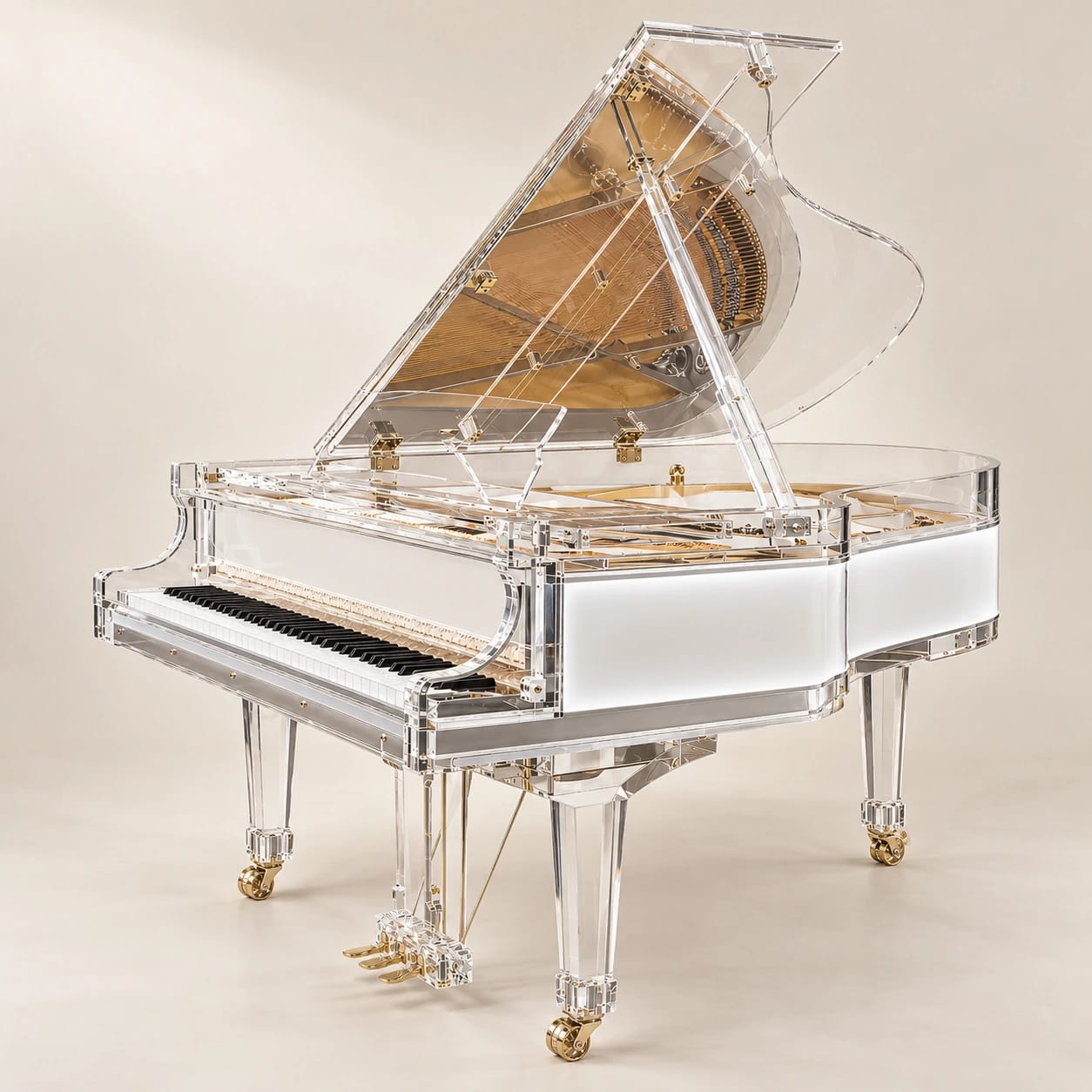
Black, white and clear grand pianos. We confirm availability and arrangements for each booking.
At a glance
What matters for your hire.
Use an event brief when readiness for a defined programme is the main requirement. Use a display brief when the instrument will remain as part of a setting over a longer period. For a combined project, describe both uses, all dates, site responsibilities and changes. Compare complete arrangements rather than assuming one duration label determines the services.
The collection
Find your grand piano.
Explore the instrument as well as its finish. We can talk through the right option for your plans and dates.
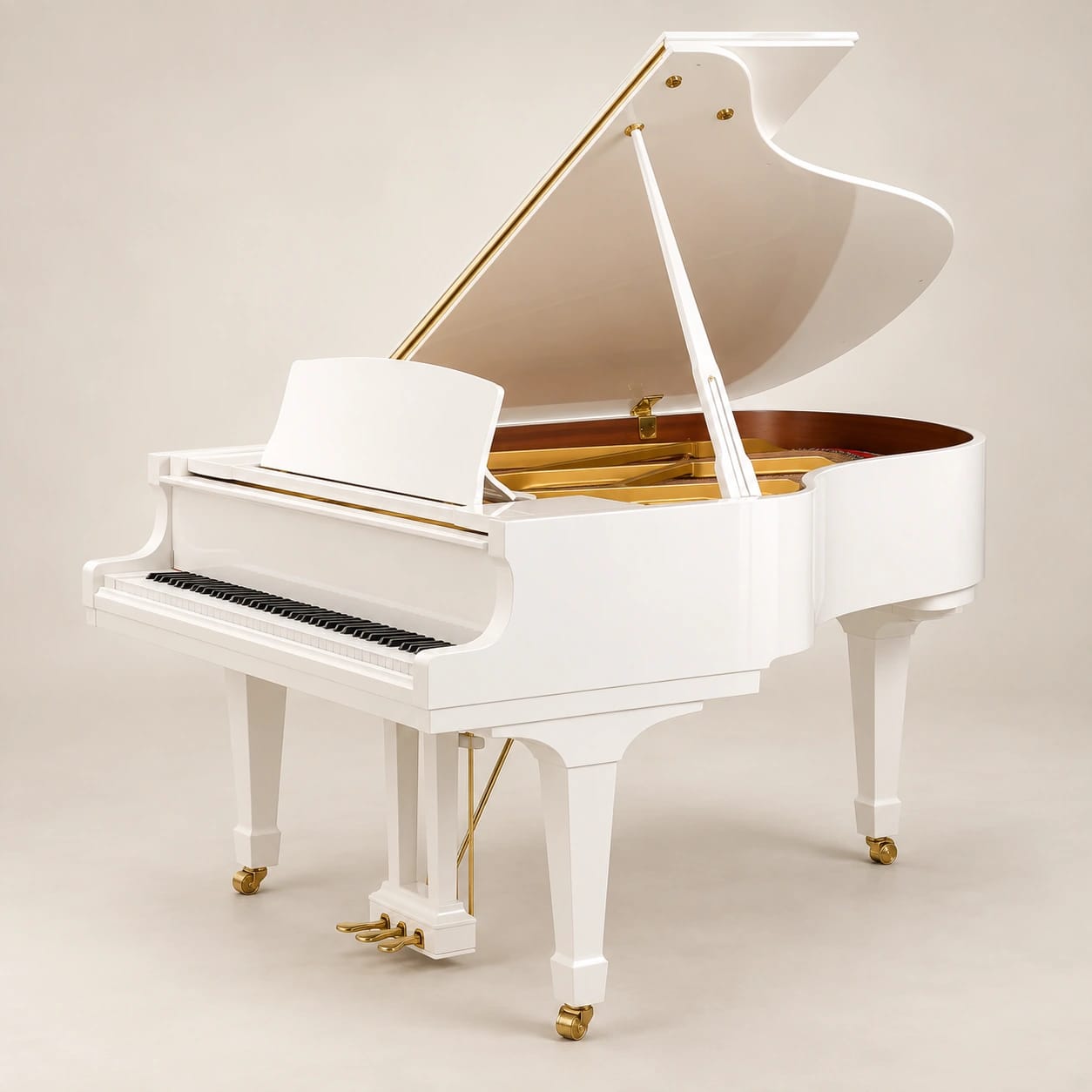
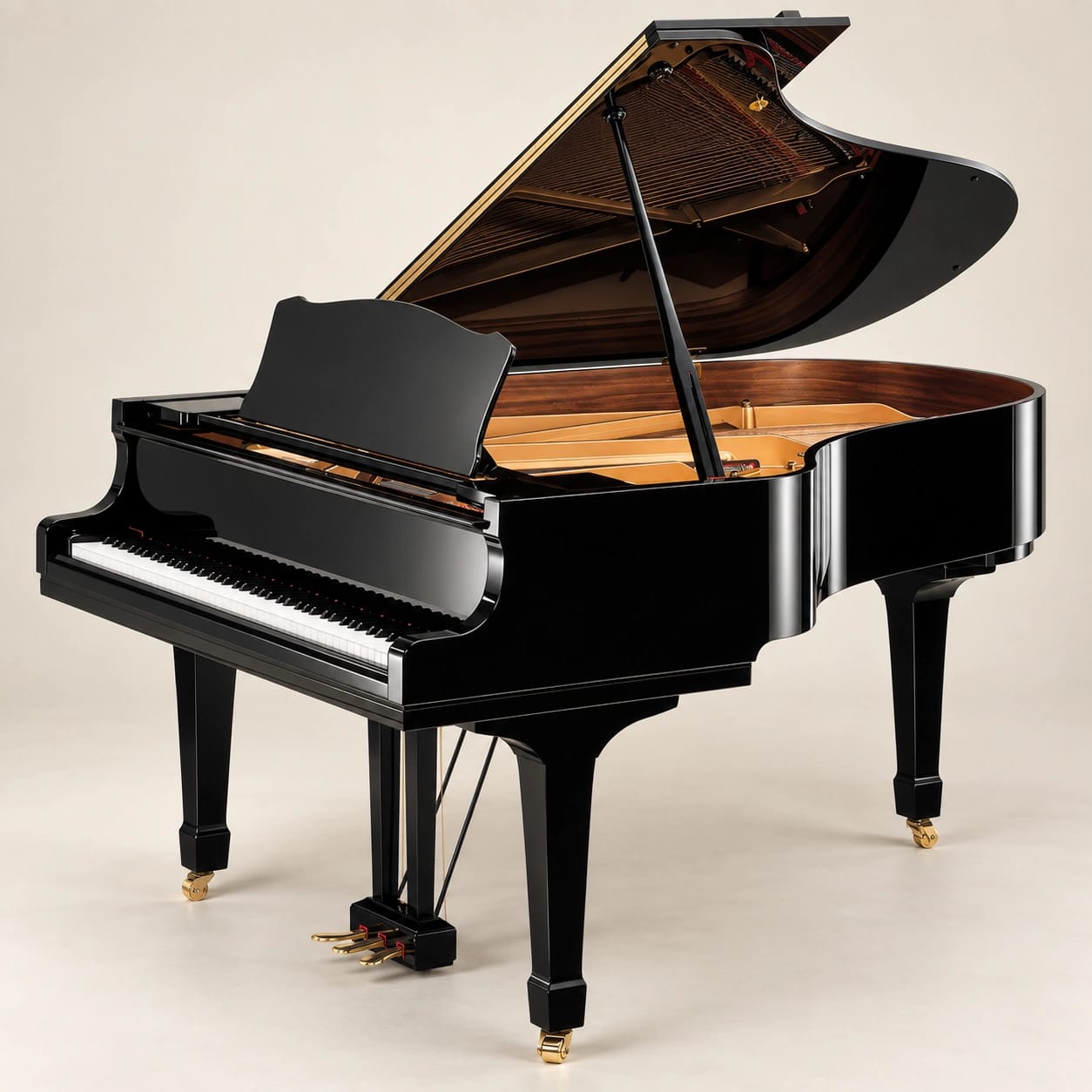
Studio visualisations. Date availability and venue arrangements are confirmed separately.
At a glance
Choose the brief from the use pattern
Identify the purpose
Performance, visual display or a combined project.
List the milestones
First use, later phases and final collection.
Describe ongoing conditions
Who controls the space and what changes during the stay.
Compare complete options
Use consistent instrument, access and service assumptions.
Confirm one plan
Retain the accepted scope and request later changes explicitly.
Let’s talk about your hire
Have a date or venue in mind?
Tell us the occasion, the piano and the details you know. We can help work through the rest.
The practical details
Plan your hire with confidence.
Explore the parts that matter to your plans. If you’re unsure, we can talk them through with you.
A little more about this hire
An event booking and a display booking can involve the same instrument but very different questions. An event usually centres on a programme: when the piano must be ready, what happens around it and when the room is released. A display centres on a period of occupation: how the instrument contributes to the setting and how the space is managed while it remains there.
The distinction is useful even before you know the final dates. It helps you describe the work the piano is intended to do, rather than choosing a duration label and hoping it explains the rest. A project may also combine both patterns, such as a display used for a launch and then retained for the wider campaign.
This comparison is a planning aid for enquiries. It does not create separate fixed packages, confirm an instrument’s availability or advertise every possible long-term use. Longer and special arrangements are assessed individually, and the accepted booking determines the actual scope.
Explore the topics on this page
Define the purpose before comparing the dates
Begin by describing what success looks like for the project. For an event, that may mean the agreed instrument is ready for a particular performance or presentation. For a display, it may mean the selected finish and placement support the intended visual setting throughout the agreed period. These are project intentions, not promised commercial results.
Read the detail about Define the purpose before comparing the dates
Identify whether the piano will be played, photographed, displayed or used in a combination of ways. The word display should not conceal a planned performance, and the word event should not conceal a request to retain the instrument afterwards. A clear description allows the business to discuss the appropriate preparation and arrangements without guessing at the programme.
Compare the actual collection rather than treating all pianos as interchangeable props. Piano Hire Australia lists a white Stenberg 152, a black Yamaha C3 and a clear Teschendorf M170. Each is a grand piano, not a non-playing shell. A preference for appearance should be discussed alongside the practical requirements of the intended use and the particular instrument available for the proposed dates.
Understand the event pattern: one programme, several milestones
An event plan is usually organised around milestones. The piano may need to arrive before the room is dressed, be ready before rehearsal and remain until the final performance has finished. Collection then has to fit the venue’s clear-out requirements. The audience-facing start and end times are only part of that sequence.
Read the detail about Understand the event pattern: one programme, several milestones
Write the milestones in order and identify which ones are fixed. A performer’s rehearsal requirement may be essential, while a preferred room-dressing period may be flexible. Share the distinction in the enquiry. This gives the discussion a practical focus without suggesting that the supplier can accommodate every preferred time or that the venue can change its rules.
Optional on-site tuning should be visible as a requested service, not hidden inside a statement that the instrument must be ready. Discuss how any visit relates to rehearsals and other activity in the room. The agreed event arrangement should show what has actually been confirmed; a programme draft is not a substitute for delivery, collection or service confirmation.
Understand the display pattern: a setting maintained over time
A display plan needs to explain what happens while the piano remains in place. Who controls the room? Will the setting stay unchanged? Is the area open to visitors, used by staff or shared with another activity? These questions help describe the actual conditions rather than assuming that a longer stay is simply an event booking with extra nights.
Read the detail about Understand the display pattern: a setting maintained over time
Show how the display is intended to be seen and used. A property campaign might involve photography and inspections, while another temporary setting might have a launch followed by ordinary display. Describe only the project you are proposing. Do not infer permission for public playing, unrestricted interaction or relocation from the fact that the instrument is part of the display.
The site’s responsible role should have the relevant hire information throughout the period. Installation staff may leave before the campaign ends, and the person arranging collection may be different from the original organiser. A brief handover record helps maintain a consistent understanding of the agreed position, intended use and process for raising changes or concerns.
Compare preparation and supervision separately
Preparation is what needs to happen before the first use. Supervision is how the agreed arrangement is maintained afterwards. An event may require intensive coordination over a short period, while a display may require a simpler setup followed by consistent site responsibility. Neither pattern removes the need to understand the venue’s conditions and the current hire terms.
Read the detail about Compare preparation and supervision separately
For an event, ask who can confirm that the room is ready for the agreed placement and who is available at collection. For a display, also identify who remains responsible when the installation team is no longer on site. Use role descriptions in planning documents and share personal contact details privately through the appropriate booking correspondence.
If the piano will be used differently at different times, decide who communicates those changes to the business. Do not leave the decision to whichever person happens to be supervising the room that day. A request to add playing, change the position or extend the period should be considered against the booking rather than treated as an ordinary adjustment to the styling.
Work out the real period of occupation
For both patterns, the relevant period begins with the agreed delivery and ends with the agreed collection, not simply the public programme. A one-day event may need an overnight arrangement. A multi-week display may need installation before its opening and collection after its final viewing. Put those periods into the comparison so the request reflects the whole occupation of the space.
Read the detail about Work out the real period of occupation
Piano Hire Australia’s standard online duration choices run through thirty nights. Beyond that, or for a special arrangement, request an individual quote. Do not assume a fixed monthly package, automatic renewal or a right to retain the instrument because the underlying campaign continues. The proposed duration and any foreseeable uncertainty should be stated clearly.
When comparing a shorter event use with a longer display, ask whether you are comparing two alternatives or two phases of one project. If it is one project, a single complete brief is more useful than disconnected requests. Explain any gaps, room changes or separate uses so the business can assess the proposal as a whole.
Treat a combined launch and display as a combined brief
A combined project needs two layers of information. The launch layer explains the programme, rehearsal or playing requirements and any requested tuning. The display layer explains what happens after the event team leaves: the ongoing setting, supervision, later activities and intended collection. Neither layer should be left for the other parties to infer.
Read the detail about Treat a combined launch and display as a combined brief
Identify any point where the room changes. Perhaps seating is removed after the launch or the display is restyled for another phase. If the piano’s position or access route would change, discuss it before acceptance. Do not assume that the instrument can be moved by the project team or that an accepted arrival route also approves every later configuration.
Ask for confirmation of the services actually required across the two phases. Retaining a piano after a launch does not automatically establish another tuning visit, a new performance use or an extended collection arrangement. Put the intended sequence into the request, then retain the accepted version with the project record so different teams do not operate from conflicting assumptions.
Compare scope and commitment rather than headline prices
Use the same instrument and location assumptions when comparing options. List the proposed dates, access description, optional services and conditions beside each alternative. If those details differ, explain the difference before comparing totals. Otherwise, a lower figure may simply describe a narrower arrangement rather than a better option for your project.
Read the detail about Compare scope and commitment rather than headline prices
Current pricing belongs to the business’s booking and quotation process. This page does not provide a static daily or monthly rate, and it does not claim that a longer booking is cheaper per day. Ask for a current complete quote that reflects the proposal. Include any questions about changes, extensions or early collection before accepting it.
Keep the project’s other commitments separate. Venue occupation, staffing, photography or styling services may be supplied by different parties. Their costs and rules are not automatically included in the piano quote. A useful decision considers the whole project while preserving a clear record of what each supplier has actually agreed to provide.
Choose the arrangement that matches the uncertainty
Different uncertainties call for different conversations. If the event programme is fixed but the venue has narrow access periods, focus on the arrival and collection sequence. If the display dates are uncertain, focus on the proposed period and how changes would be requested. If the intended use is changing, explain the whole range before asking the business to assess it.
Read the detail about Choose the arrangement that matches the uncertainty
Avoid choosing a shorter booking merely to make an undecided end date disappear. Equally, do not request an indefinite display period when the project has a useful provisional finish. A defined proposal with visible uncertainty is easier to assess than an apparently precise booking built on dates the organiser does not expect to keep.
Consider the consequences if the preferred arrangement cannot be confirmed. Could the first use move, could a different instrument be considered, or does the project depend on one non-negotiable condition? These are questions for discussion, not guaranteed alternatives. Identifying them early helps you make a practical decision without making promises to a client or venue on the supplier’s behalf.
Consider two hypothetical briefs. One asks for a piano to be ready for a single afternoon programme, with the room released afterwards. Its critical questions are readiness, preparation and collection. Another asks for the same model to remain through a property presentation period, with photographs at the beginning and no later playing currently planned. Its critical questions include the full period, the changing room setup and who controls the space after installation. Neither description establishes the price or availability of the proposed arrangement. The comparison shows why the intended activity should lead the enquiry: the same instrument can create different coordination tasks, and a duration alone does not reveal which questions still need an answer.
Turn the comparison into one current instruction
Once an arrangement is accepted, stop circulating competing versions as though they are all live options. Keep the confirmed instrument, use, dates, position and access details together. Mark unresolved items clearly and identify which role is following them up. This is especially useful when a project passes from a planner to a venue team or from an installation team to ongoing staff.
Read the detail about Turn the comparison into one current instruction
Use the same record when requesting a change. Explain which detail is different and whether it affects another part of the plan. A revised display end date may affect collection access; a new performance may create a tuning question. The published FAQs describe hire-time and venue changes as matters reviewed case by case, so wait for acceptance before relying on the revision.
At the end, compare the planned collection with the actual state of the room and route. Communicate changes before the visit rather than assuming the original arrangement will still work. The distinction between event and display has done its job when it produces a clear, current booking brief that the people responsible can understand and follow.
Want to organise your notes first?
Your enquiry
Build an event or display comparison
Organise the differences between two proposed arrangements. This tool does not calculate a price or approve either option.
Your notes stay in this page. Nothing is sent or saved automatically.
0 / 4,000 enquiry-note characters. Only answered fields and selected checks are included.
Read or select your brief
Event and display hire comparison

Primary use: To confirm
First readiness requirement: To confirm
Period on site: To confirm
Activity during the stay: To confirm
Who controls the space: To confirm
Changes to discuss: To confirm

Planning checklist
[ ] Describe every intended use.
[ ] Separate programme hours from the hire period.
[ ] Identify who takes responsibility after installation.
[ ] Flag changes to the room and collection route.
[ ] Request optional tuning when needed.
[ ] Compare complete quotes with matching assumptions.
[ ] Confirm extensions rather than assuming renewal.

Planning notes only. Piano availability, access and arrangements need confirmation before booking.
Good to know
Your questions, answered.
Is display hire for a non-playing piano shell?
The current Piano Hire Australia collection consists of grand pianos, not piano shells. A display purpose describes the proposed use of the instrument; it does not change what is supplied. If you need a non-playing prop, identify that requirement rather than assuming an acoustic grand is equivalent.
Can a display piano also be played at an event?
Describe both intended uses when enquiring and ask for the arrangements to be confirmed. Do not assume that a display booking automatically covers a later performance, optional tuning or a changed placement. The business needs the complete proposed programme to assess what can be agreed.
Does a longer display automatically receive a monthly rate?
No standard monthly package is established here. The online duration options run through thirty nights, with longer or special arrangements quoted individually. Request a current quote for the proposed use and period instead of multiplying an old rate or assuming automatic renewal.
Which brief should I use if I do not yet know the end date?
Explain the intended use and give the best available proposed period, clearly marked as provisional. State what could change the finish and ask how a later request would be assessed. Do not treat uncertainty as permission to retain the instrument indefinitely or promise an extension to others.
Can a piano stay after an event while the room is restyled?
That needs to be described and agreed as part of the proposal. Explain whether the piano position, room use or collection route changes. Do not assume the project team can relocate the instrument or that retaining it automatically approves another phase of use.
Let’s talk about your hire
Tell us what you’re imagining.
Tell us the occasion, the piano and the details you know. We can help work through the rest.