Memorial services
Piano hire for memorial services
Bring live piano music into the remembrance you are planning. Explore the instruments and talk with us about the memorial date, venue and arrangements, alongside your musician or service coordinator.
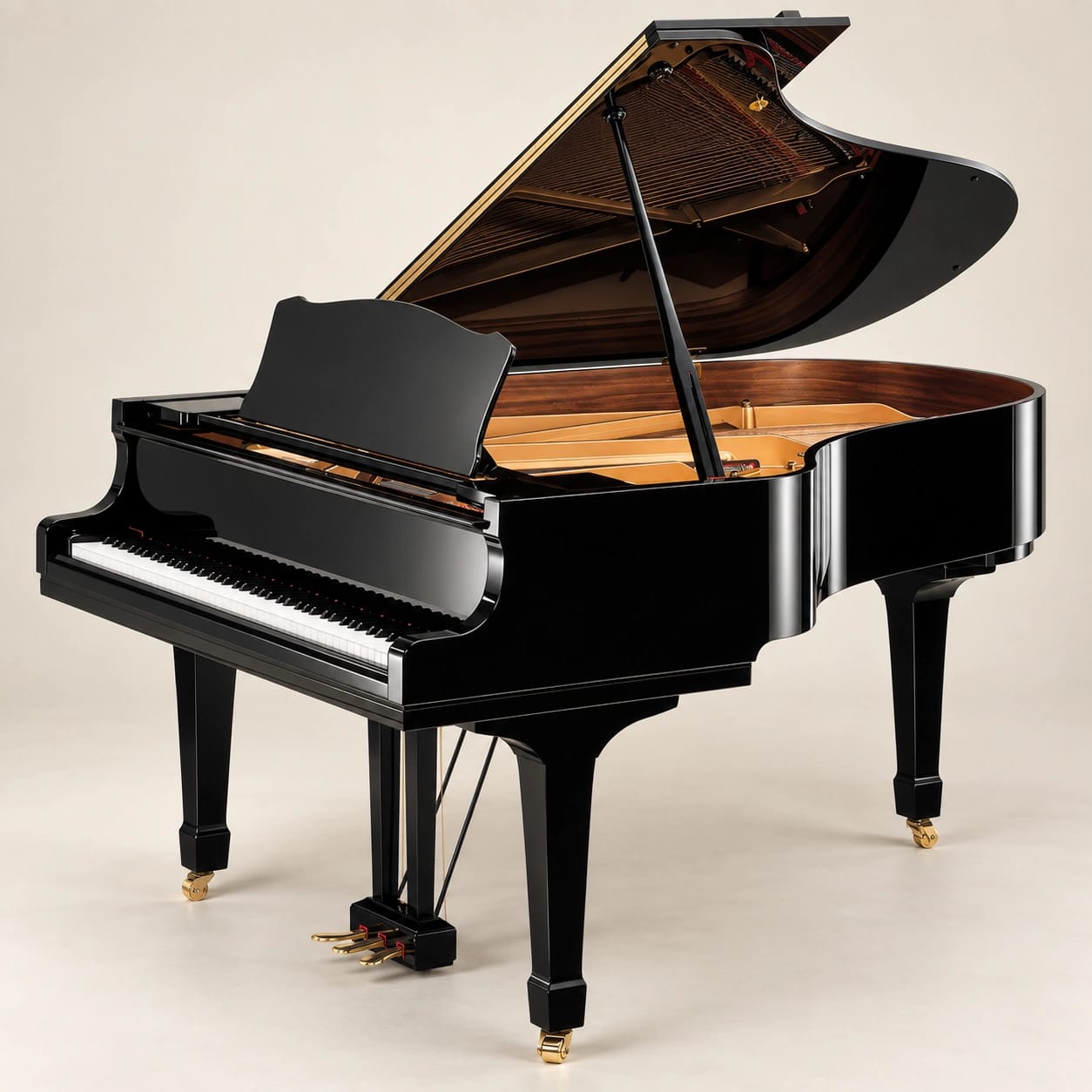
Black, white and clear grand pianos. We confirm availability and arrangements for each booking.
At a glance
What matters for your hire.
Decide how the piano will contribute to the memorial, identify who will play and choose a proposed model with them. Confirm the venue’s permission, position and access, then plan preparation and collection around the gathering. Keep family preferences separate from unconfirmed availability. Instrument hire does not itself provide a musician or establish approval for outdoor or unusual settings.
The collection
Find your grand piano.
Explore the instrument as well as its finish. We can talk through the right option for your plans and dates.
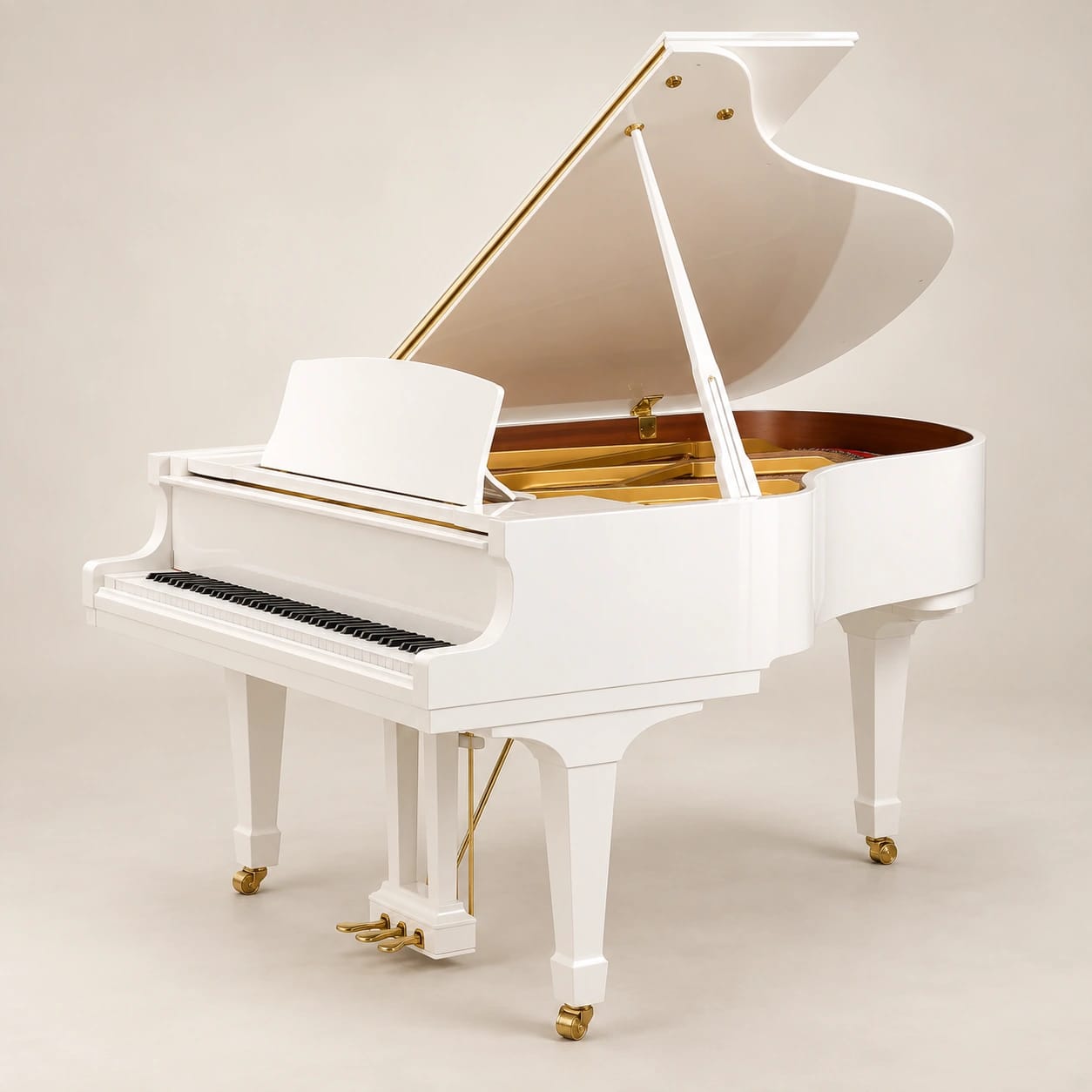
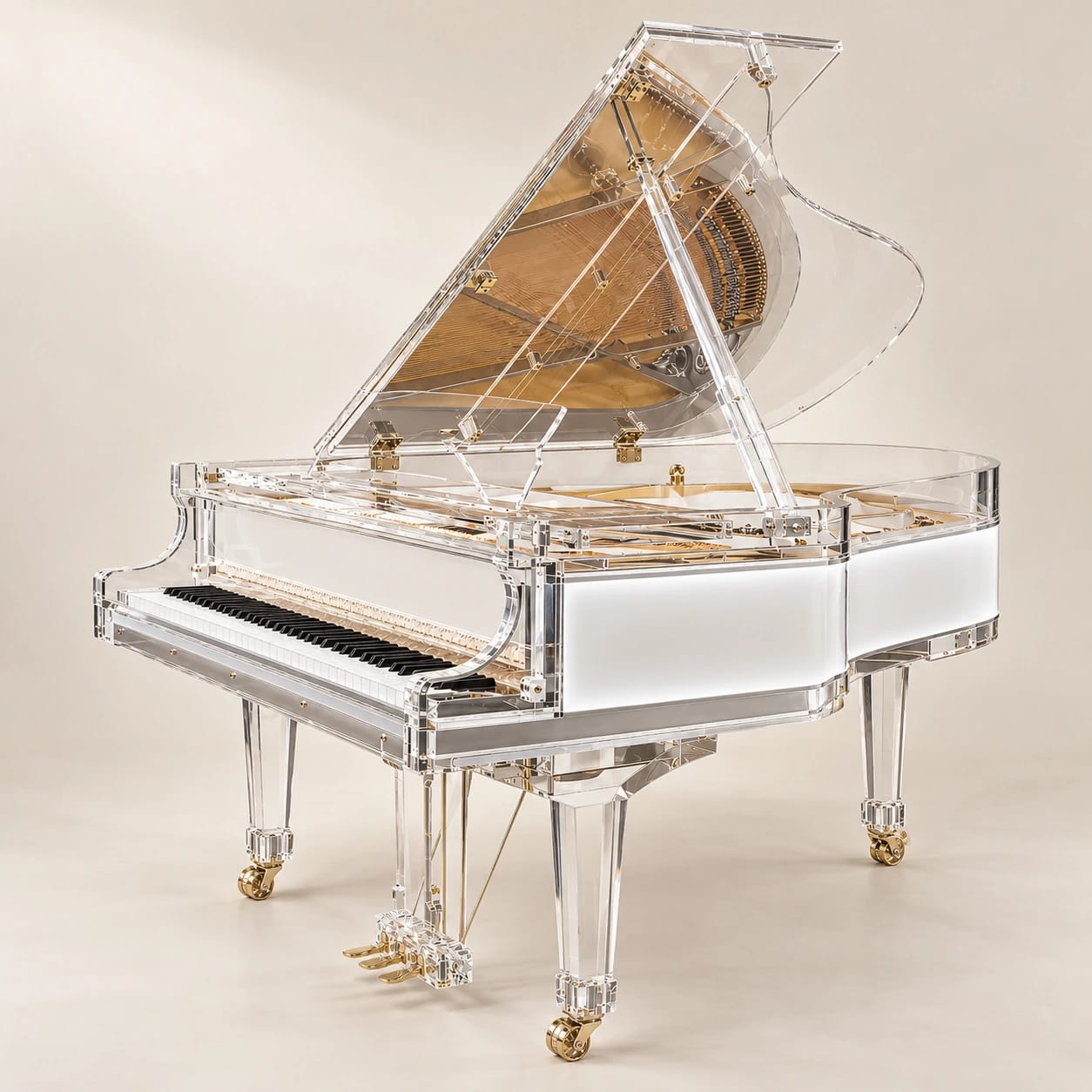
Studio visualisations. Date availability and venue arrangements are confirmed separately.
At a glance
Plan the piano around the memorial format
Describe the gathering
Identify how music and other contributions fit the occasion.
Agree the piano’s role
Clarify the model preference and intended playing.
Check the setting
Confirm venue permission, position and access questions.
Prepare before arrival
Coordinate placement and any requested tuning.
Close the practical plan
Assign coordination and agree collection after the intended use.
Let’s talk about your hire
Have a date or venue in mind?
Tell us the occasion, the piano and the details you know. We can help work through the rest.
The practical details
Plan your hire with confidence.
Explore the parts that matter to your plans. If you’re unsure, we can talk them through with you.
A little more about this hire
A memorial or celebration of life can take many forms. It may be a seated gathering with a planned programme, an informal event with music between shared memories or a later occasion that brings people together after a funeral. A piano can be considered within that format, but its role should follow the gathering you want to create rather than determine it.
This guide helps an organiser explore the instrument hire for that kind of commemorative event. It focuses on the relationship between music, participation and the room over the course of the gathering. If you are arranging a piano for a scheduled funeral service, the funeral-hire page addresses that more tightly defined service and venue sequence.
Explore the topics on this page
Shape the gathering before choosing the instrument
Start by describing the event in ordinary terms. Will people sit for a planned sequence, move between music and conversation or gather around several shared activities? The piano may support one part of that format or remain present throughout. Identifying its role helps you decide where it belongs and which practical arrangements matter before you begin comparing finishes.
Read the detail about Shape the gathering before choosing the instrument
Consider whether the music is central, occasional or primarily part of the atmosphere. This is a choice for the people planning the memorial and the musician, not a promise that the instrument will create a particular emotional response. Different families and communities have different preferences. The hire brief should respect those preferences by describing what is wanted without imposing a fixed format for the gathering.
If the plan is still developing, identify the decisions that remain open. You might know the date and venue but not the musical sequence, or know the desired music but still be choosing a location. A clear account of what is settled helps the team discuss the instrument without treating a provisional idea as a confirmed booking requirement.
It can help to distinguish the formal contribution from the time people are simply together. A piano might be needed only for a planned musical moment, or it may remain part of the setting throughout the gathering. Neither approach is inherently required. Recording the intention gives the musician and venue a clearer question to answer and prevents the instrument plan from expanding through assumptions that the organisers have not considered.
Give each musical contribution a clear place
A memorial may include a professional performer, a family musician or several planned contributions. Decide who is coordinating the music and which parts need the piano. A short outline can show whether the instrument is used at the beginning, between spoken contributions or during a later gathering. That gives the hire discussion a concrete purpose without requiring a complete programme immediately.
Read the detail about Give each musical contribution a clear place
The instrument hire does not arrange the performer. Ask whoever will play to consider the proposed model and explain any preparation needs. If several people may play, the organiser should agree the intended approach with them and with the team as relevant to the booking. Do not assume that a general display request automatically covers every later change in use.
Keep sound equipment and other production services separate. If the gathering needs them, the relevant musician or supplier should coordinate with the venue. A piano in the room does not itself establish how the programme will be heard or recorded. The practical task is to connect the agreed instrument arrangement with the people responsible for the music and the room.
Choose a model with both appearance and playing in mind
The current collection includes the white Stenberg 152, black Yamaha C3 and clear Teschendorf M170. Consider the instrument alongside the room and the intended use. A family may have an appearance preference, while the person playing may have a model requirement. Bringing those views together early is more helpful than selecting from a photograph and asking the musician to accept it later.
Read the detail about Choose a model with both appearance and playing in mind
State whether a particular choice is essential or whether alternatives can be considered. This allows the team to discuss availability without making a personal decision on the organiser’s behalf. A preference is useful information, but it should not be communicated to attendees or other suppliers as a confirmed reservation until the booking has been agreed.
Do not attach unsupported meaning or performance promises to a finish. A clear, white or black piano can be considered as part of a visual setting, but the outcome depends on the actual room and programme. The model should be chosen as a real instrument within an assessed arrangement, not as a guarantee that the gathering will look or feel a particular way.
Find a position that suits the changing programme
An informal memorial can use a room differently at different moments. People may sit for a contribution, stand to talk afterwards or move to another part of the venue. Discuss the piano’s proposed position with the venue so it can consider the complete event layout under its own requirements. This guide does not approve circulation, stage loading or a particular floor plan.
Read the detail about Find a position that suits the changing programme
Ask whether the piano can remain in one agreed position for the whole gathering. If the plan depends on moving it, describe each proposed position and the timing before booking. An internal relocation is still a handling requirement. It should not be left for guests or venue staff to decide during the event because the format has become more informal.
If a stage or raised area is proposed, the appropriate venue or staging professional needs to consider it. If the room already has an instrument, discuss that with the musician and organiser before requesting an outside piano. The aim is to understand the real options and requirements, not to assume that the presence or absence of a piano determines the whole event plan.
Consider the venue’s permission and the actual route
Check whether the location can consider an outside hired grand piano for the proposed gathering. A reservation for a room does not necessarily establish permission for the instrument or the available supplier access. Ask the venue representative to identify the intended room, entry arrangements and any restrictions that apply before and after the event.
Read the detail about Consider the venue’s permission and the actual route
Describe the complete route from the permitted unloading location to the final position. Include known steps, level changes, lifts or other features that the specialist team should assess. Photographs and current venue information can help, but the organiser is not expected to decide that the instrument will fit or to choose a moving method. Clearly identify any part of the route that has not yet been checked.
A memorial held in a garden, on a beach or in another unusual setting needs individual assessment. An indoor alternative also needs consideration rather than being treated as automatically approved. Explain the proposed arrangement and the point at which any decision would be made. The hire brief should reflect real permission and practical assessment, not simply the setting shown in an inspiration image.
Leave room for preparation before people gather
Work backwards from the time the venue needs to be ready for the first arrivals. Include the musician’s preparation and any requested on-site tuning, then identify the period available for delivery and placement. A gathering that feels informal to attendees can still need a carefully coordinated setup so the important practical work does not compete with welcoming people.
Read the detail about Leave room for preparation before people gather
On-site tuning is optional. Discuss the request with the musician and the piano team, and coordinate an appropriate quiet opportunity where it is agreed. The published process asks for time and a quiet environment. The final arrangement should reflect the actual booking rather than promise a particular person or assume the service is included without being selected.
If timing is constrained, explain the limitation directly. A transport window is not an exact appointment unless that has been specifically agreed. The same principle applies to a memorial organised at short notice: an enquiry can be assessed, but it does not guarantee immediate delivery or a particular model. Clear dates and required-ready times help the team respond to the real request.
Decide how the piano will be used during the gathering
A planned contribution and an open invitation for people to play are different uses. Discuss the intended approach with the organiser and musician, and communicate the relevant arrangement to the team when booking. The purpose is not to make the gathering rigid; it is to avoid a situation where everyone has a different understanding of how the hired instrument will be used.
Read the detail about Decide how the piano will be used during the gathering
Identify the person coordinating practical questions during the event by role. That person can direct a proposed change to the appropriate party without asking the family to manage every detail. They should know that the piano is not to be moved informally and that any unusual use needs discussion. The current hire terms and confirmed guidance remain the reference for care and responsibilities.
If the memorial also includes photography, video or another activity involving the piano, include it in the original outline. A later request may be possible to discuss, but it should not be assumed to fall within the agreed scope simply because the event is commemorative. A clear use plan helps everyone support the gathering while respecting the instrument arrangement.
Arrange departure without interrupting the occasion
Consider when the piano can be collected and when the venue needs its space back. A memorial may continue into conversation or a shared meal after the formal programme, so the advertised finish time may not describe the true end of the room’s use. Discuss the actual collection opportunity rather than leaving it unspecified until people are preparing to depart.
Read the detail about Arrange departure without interrupting the occasion
Identify who will coordinate access for collection and whether that person differs from the one receiving the instrument. Keep the agreed position and route available under the confirmed arrangement until the specialist team collects it. Do not relocate the piano to clear space for cleaning, another booking or a later part of the gathering without an assessed plan.
If the date, venue or period changes, contact the team and consult the applicable terms. A requested amendment is not automatically agreed. Keep the current confirmation until a revised arrangement is issued, and make sure the person coordinating the venue has the latest information. This helps practical work conclude with the same clarity that supported the preparation.
Create a brief that leaves personal decisions with the family
The memorial brief builder on this page collects the instrument’s role, the proposed location, timing and practical questions. It does not need personal histories, attendees’ names or sensitive family information. Use it to prepare a copyable outline in the browser, then share the relevant details through the normal enquiry process. The tool does not submit anything or reserve a piano.
Read the detail about Create a brief that leaves personal decisions with the family
Review the outline with the musician and venue representative where appropriate. Each should recognise the decisions within their responsibility. Leave personal choices with the family and keep unresolved practical matters clearly labelled. This separates the meaningful intentions of the gathering from the logistics that other people can help coordinate, without suggesting that one standard format suits every memorial.
Use the live booking total or individual quote for the actual cost, with the model, dates and optional services visible. Once the arrangement is confirmed, retain it with the event programme and check later changes against it. The aim is a manageable instrument plan that supports the gathering chosen by the organisers, with enough practical clarity that the piano’s role does not depend on last-minute assumptions.
Want to organise your notes first?
Your enquiry
Build a memorial piano brief
Prepare a practical outline without personal or sensitive family details. Nothing is submitted from this tool.
Your notes stay in this page. Nothing is sent or saved automatically.
0 / 4,000 enquiry-note characters. Only answered fields and selected checks are included.
Read or select your brief
Your memorial piano outline

Gathering format: To confirm
Musical role: To confirm
Instrument preference: To confirm
Venue and position: To confirm
Preparation milestones: To confirm
Departure plan: To confirm

Planning checklist
[ ] The piano supports the chosen memorial format.
[ ] The performer or music coordinator is arranged separately.
[ ] The model preference and approval are clear.
[ ] Venue permission and access are being checked.
[ ] Any outdoor proposal or relocation is declared.
[ ] Preparation happens before the room is needed for arrivals.
[ ] The collection plan does not rely on an improvised handover.

Planning notes only. Piano availability, access and arrangements need confirmation before booking.
Good to know
Your questions, answered.
How is a memorial piano hire different from a funeral hire?
The instrument arrangements still need the same careful confirmation, but the event format may differ. A memorial or celebration of life can have a more flexible programme, a later date or several uses of the room. Describe that format so the piano’s position, preparation and collection match the actual gathering.
Can relatives or friends play during the gathering?
Explain the intended musical use and who is coordinating it. A planned contribution and an open playing arrangement should not be treated as the same brief without discussion. The current hire terms and confirmed guidance apply, and the organiser should make sure the people involved understand the agreed approach.
Can we place the piano outside?
An outdoor or unusual setting requires individual assessment. Give the team the actual location and proposed use, and discuss any alternative location separately. A photograph of an outdoor piano or a venue’s general event permission does not establish that the proposed hire arrangement is approved.
Can someone else coordinate the practical details for the family?
Yes, the organisers can identify a suitable coordinator for the enquiry and venue discussions. That person can collect the instrument, timing and access information while leaving personal choices with the family. The coordinator still needs to obtain the relevant musician, venue and booking confirmations rather than approving every requirement themselves.
Let’s talk about your hire
Tell us what you’re imagining.
Tell us the occasion, the piano and the details you know. We can help work through the rest.