Touring artists
Piano hire for touring artists
Explore a locally hired grand piano for your Melbourne performance. Send the proposed dates, venue and artist requirements so we can discuss the named instrument and the preparation your programme needs.
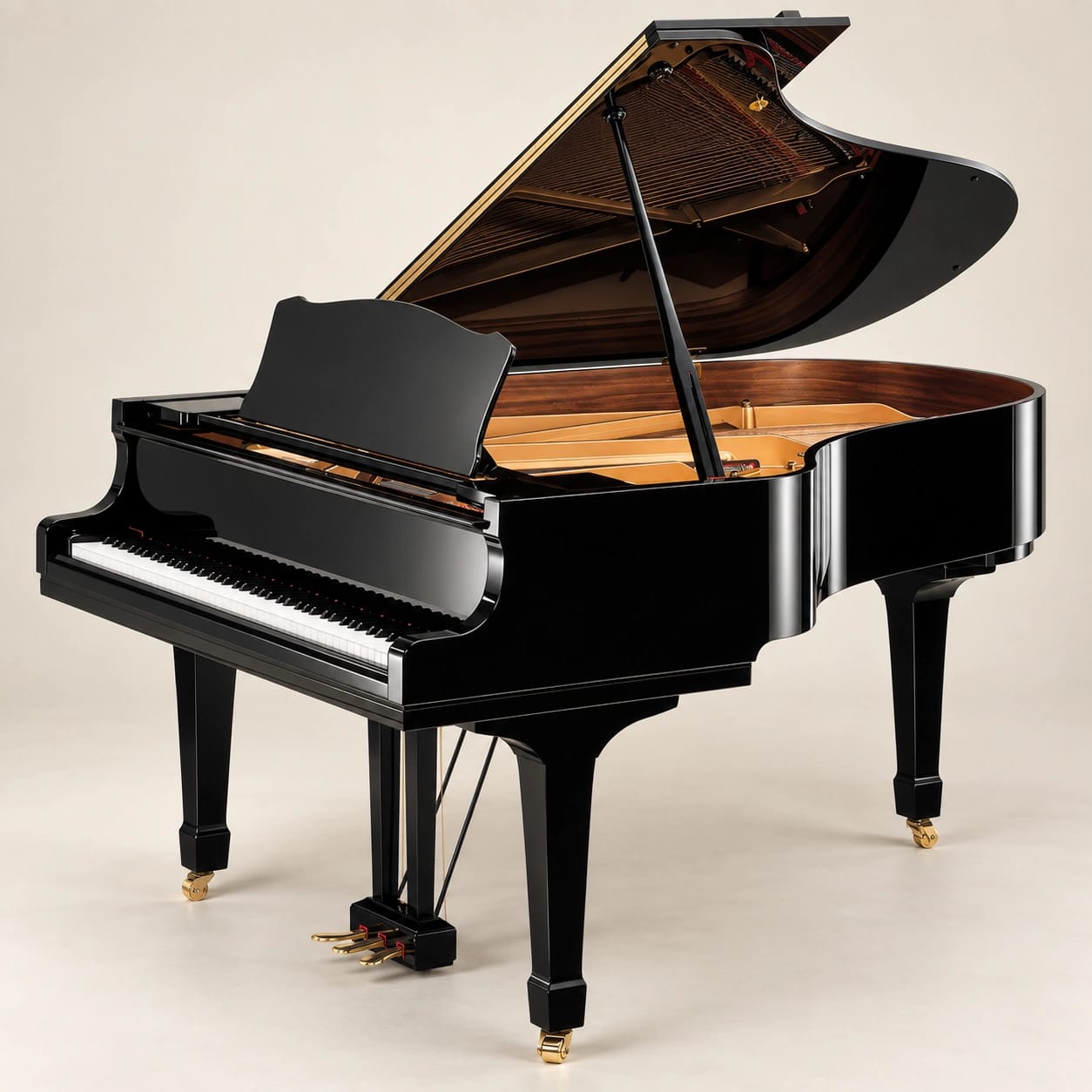
Black, white and clear grand pianos. We confirm availability and arrangements for each booking.
At a glance
What matters for your hire.
Send the current instrument requirement and identify who can approve the proposed model or an alternative. Connect that decision to the local venue’s access, placement and preparation schedule. Confirm optional tuning and the occupied period explicitly. A local hire is specific to its agreed location and dates; availability and suitability are not established by a previous tour stop.
The collection
Find your grand piano.
Explore the instrument as well as its finish. We can talk through the right option for your plans and dates.
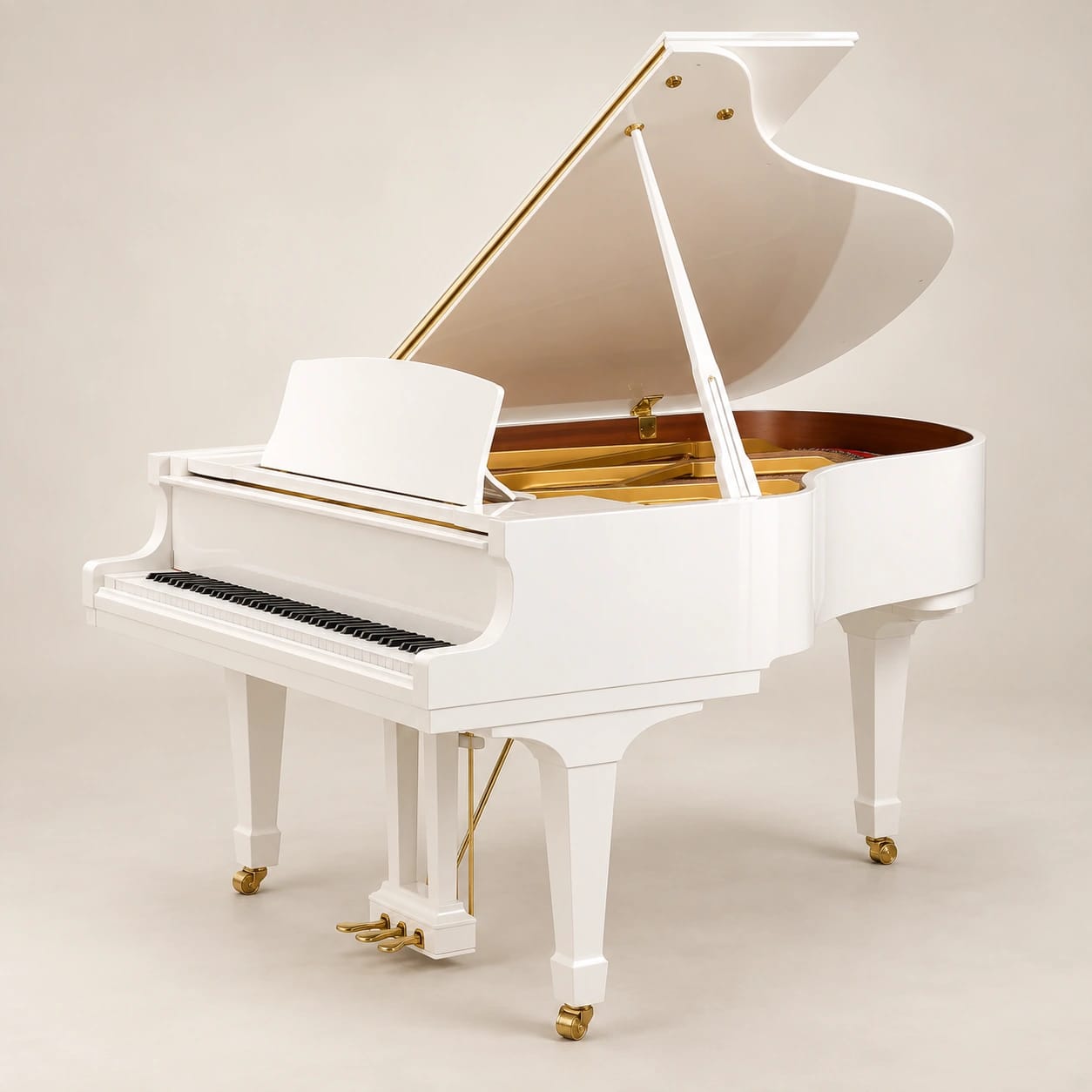
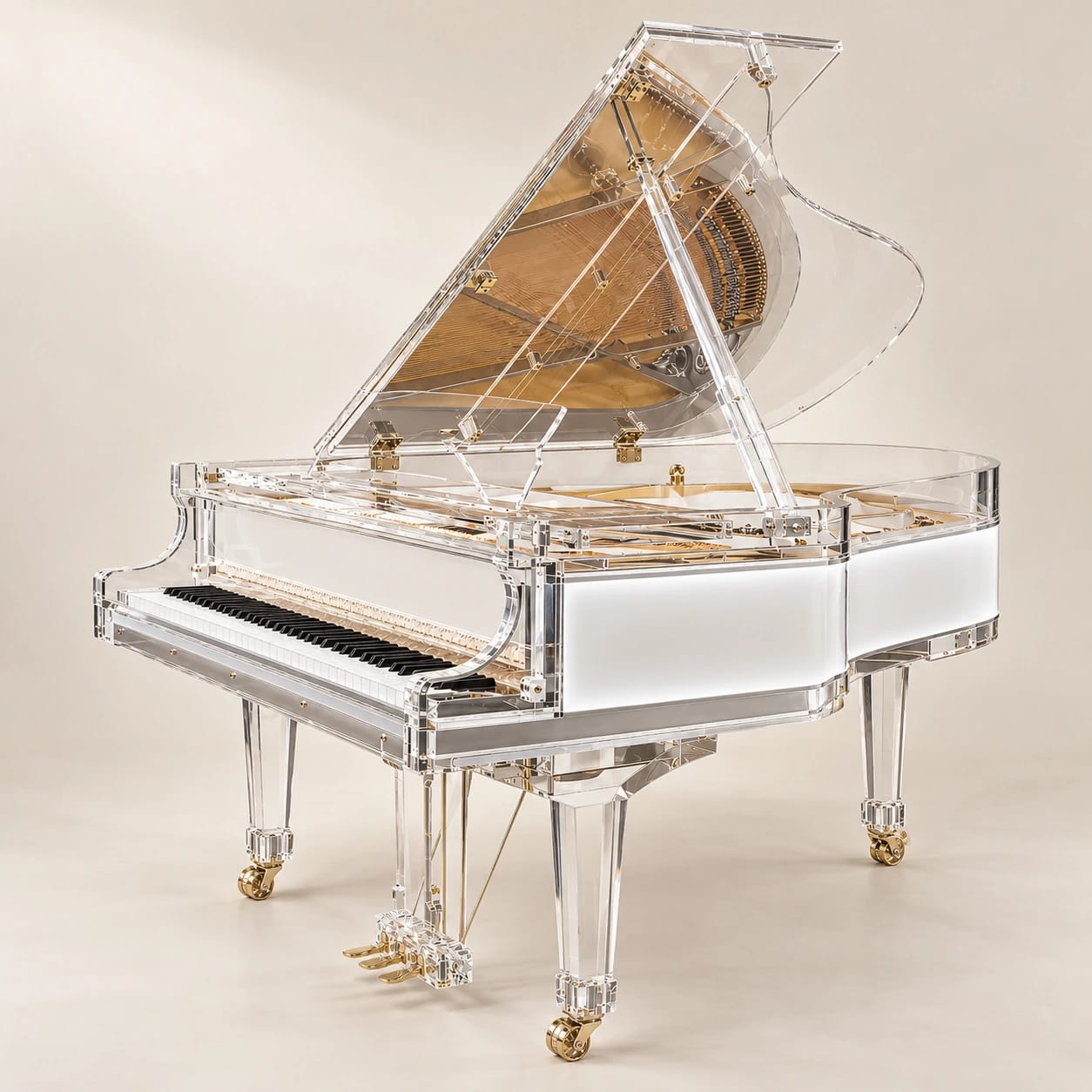
Studio visualisations. Date availability and venue arrangements are confirmed separately.
At a glance
Advance a local piano hire from the road
Clarify the current request
Extract the instrument requirement and authorised alternatives.
Assign artistic approval
Identify the role that can accept the proposed model.
Collect local facts
Obtain current venue access and position information.
Agree preparation milestones
Coordinate rehearsal, optional tuning and performance needs.
Maintain the final advance
Track accepted changes and the local collection handover.
Let’s talk about your hire
Have a date or venue in mind?
Tell us the occasion, the piano and the details you know. We can help work through the rest.
The practical details
Plan your hire with confidence.
Explore the parts that matter to your plans. If you’re unsure, we can talk them through with you.
A little more about this hire
A touring artist’s piano enquiry often begins while the artist is somewhere else and the local venue is preparing for a future show. The main challenge is keeping the instrument decision connected across those different people and locations. The artist’s requirement, the local proposal and the venue’s practical information need to describe the same booking.
This page follows that advance process from the touring party’s point of view. It helps you organise the questions and approvals needed for a local hire at a particular stop. It does not promise a touring transport package, certify compliance with a rider or assume that an arrangement in Melbourne applies to other cities.
Explore the topics on this page
Send the current requirement rather than the whole history
Tour documents can accumulate notes from earlier dates and different venues. Before sending an instrument enquiry, identify which requirement applies to this show. The model request, any authorised alternatives and the preparation needs should be easy to find. If an older rider contains an instruction that no longer applies, clarify it rather than expecting the local team to recognise the change.
Read the detail about Send the current requirement rather than the whole history
Separate essential requirements from preferences. The artist may require a particular model, or may be willing to consider a specific alternative after discussion. A general statement that any suitable grand will do can create uncertainty if the artist later expects something more specific. Ask the authorised artistic representative to define the decision clearly before the local arrangement is treated as resolved.
The booking team does not need unrelated private travel details to understand the instrument request. Supply the relevant show dates, local venue information and preparation milestones through the appropriate channel. Keeping the advance focused makes it easier to identify missing information and protects the important requirements from being buried in a long document that covers several different parts of the tour.
Establish who can approve the local instrument
Identify the role authorised to accept the proposed model for the artist. That may be the pianist, musical director or another representative, depending on the touring party’s arrangements. The local promoter can coordinate the conversation, but should not be left to assume artistic approval. A model decision is clearer when the people involved know who can actually make it.
Read the detail about Establish who can approve the local instrument
Record the proposed instrument by model, not only by finish or a broad description. The current collection includes the Yamaha C3, Stenberg 152 and Teschendorf M170. The artist’s representative should consider the actual proposal and any difference from the request. Availability for the dates and suitability for the artist are separate questions, both of which need to be resolved.
If an alternative is offered, pass it back through the same approval route. Do not treat a lack of immediate objection as acceptance. The touring party may be travelling or focused on another show, so a clear pending decision is more useful than a silent assumption. The final advance should distinguish a requested instrument from one that has been explicitly accepted and booked.
Give the local venue a focused information request
The touring party may know the performance requirement but have little direct knowledge of the venue’s loading and room arrangements. Ask the local venue for the actual information needed for the piano movement: permitted unloading, entry route, room position, changes of level and any controlled access facilities. A general technical pack can be a starting point, but the relevant details should be confirmed for the show.
Read the detail about Give the local venue a focused information request
Keep current venue information separate from notes about a previous visit. The layout, access schedule or people responsible may have changed. If the intended piano position differs from the venue’s usual setup, make that explicit. The specialist team needs to assess the proposed arrangement, not a familiar venue name or an assumption that a grand piano has been there before.
Where a stage is involved, the appropriate venue or staging professional should address its requirements. The touring party should not certify physical suitability from an artist rider or a plan alone. The instrument’s movement and placement need specialist assessment, while the artist’s representative assesses the musical proposal. Connecting those decisions does not mean one approval substitutes for the other.
Agree the required-ready milestone before travel details distract
A travelling schedule can contain many times, but the piano brief needs a small set of clear milestones. State when the instrument must be available for the artist’s preparation, when rehearsal or sound work is planned and when the performance begins. These are different deadlines. Giving only the advertised show time leaves the local team without the key preparation requirement.
Read the detail about Agree the required-ready milestone before travel details distract
Work backwards with the venue and piano team to consider delivery, placement and any requested tuning. A transport window is not a precise appointment unless a specific arrangement has been confirmed. If the artist’s local schedule creates a narrow opportunity, explain that constraint directly. The solution needs agreement rather than an optimistic reading of the earliest possible arrival time.
Keep the distinction between the artist’s travel plans and the instrument’s confirmed arrangements. A change in arrival may affect rehearsal, but it does not automatically move a supplier appointment or create additional availability. Identify the consequence and ask the relevant parties to confirm the revised sequence. This allows the advance to remain accurate while the tour itself continues to evolve.
Make preparation requests explicit and assessable
On-site tuning is optional and should be included as a specific request where needed. Explain the artist’s requirements and the available preparation period, then discuss the arrangement with the team. Do not assume that a touring-artist booking carries an automatic preparation package or a fixed number of visits. The confirmation should state the services that have actually been agreed.
Read the detail about Make preparation requests explicit and assessable
The published process asks for a quiet opportunity for on-site tuning. Coordinate that with the venue’s other setup activity and the production team’s schedule. A quiet period should be understood by the people working locally, not only by the tour representative preparing the advance remotely. If there is a conflict, identify it early so the relevant parties can discuss the sequence.
Avoid promising named personnel or specialist work that has not been confirmed for this booking. If the artist has a particular concern about the instrument, raise it for direct discussion. The local team can consider the request, while the artist retains responsibility for accepting the proposed instrument. Clear questions are more useful than broad assurances that everything will be exactly as at the previous stop.
Keep the local hire separate from touring production services
A local piano hire does not itself provide a performer, microphones, amplification, staging or the wider production package. Identify which elements the touring party brings and which the local venue or promoter is arranging. The instrument brief should show the points where those responsibilities meet without suggesting the piano supplier owns the whole performance setup.
Read the detail about Keep the local hire separate from touring production services
If the show is being recorded, streamed or photographed, include any piano-specific implications in the advance. A camera concept or technical requirement may affect the intended position or the preparation schedule. The relevant production professionals should assess their own equipment and creative requirements. The instrument arrangement does not guarantee a particular sound or image in the venue.
Any unusual use of the piano should be discussed before confirmation. Do not assume that a technique or visual treatment is permitted because it has appeared at another performance. Explain the proposal and obtain the appropriate agreement. The aim is to make the local arrangement accurately reflect this show rather than importing assumptions from a different instrument, supplier or venue.
Treat multi-date plans as a set of explicit arrangements
If the artist has several local performances, describe the dates and locations separately. The same piano may be requested across the sequence, but that continuity needs discussion and confirmation. Do not assume that one accepted date reserves an instrument for every later show or that transport between venues is included without being stated in the arrangement.
Read the detail about Treat multi-date plans as a set of explicit arrangements
A rehearsal venue and a performance venue also create separate location requirements. If the plan proposes a move between them, supply both sites and the intended timing for assessment. A local hire at one address should not be treated as a general right to move the instrument with the touring party. The specialist team needs to consider the actual sequence and responsibilities.
The current service is centred on Melbourne, and this page does not establish a national touring package. Requests involving other cities or a wider itinerary should be raised directly without assuming coverage from the business name. Keep the confirmed local arrangement clear even while broader tour questions are being explored. This helps prevent an unconfirmed future possibility from changing the scope of the present booking.
Control changes through one current advance
Choose a single current version of the instrument advance and identify who maintains it. It should record the requested or accepted model, venue, dates, preparation milestones and unresolved questions. The purpose is not elaborate document control; it is to make sure the artist’s team, local promoter, venue and piano team can recognise the same plan.
Read the detail about Control changes through one current advance
When something changes, state the difference plainly. A revised artist arrival, room position or rehearsal requirement may affect other arrangements. Ask the relevant parties to confirm the consequences before replacing the agreed plan with a new assumption. A change added to a tour spreadsheet is not automatically accepted by every local supplier who may be affected by it.
Keep superseded versions out of active circulation where practical. If an old rider remains attached to a broader production email, make the current instrument instruction easy to identify. The final confirmation and applicable terms remain the reference for the hire. This reduces the chance that somebody acts on an earlier request while another person believes a later proposal has already been agreed.
Close the local booking with a collection plan
The artist may leave soon after the performance, but the piano still needs an agreed departure arrangement. Ask the venue when collection can occur, what access is available and which local role will coordinate it. The touring party’s onward travel should not leave the instrument plan dependent on somebody who is no longer at the site.
Read the detail about Close the local booking with a collection plan
If the piano remains between performances or until a later collection period, confirm where it will stay and how the venue will maintain the agreed arrangement. Do not improvise an overnight position or move it to clear a stage. Any required relocation needs specialist assessment and agreement, even if it appears to be a routine part of the venue’s changeover.
Review the current quote and terms against the actual occupied period. This page does not publish fixed touring rates or create automatic extensions. If the programme changes or another rehearsal is added, request an amendment before treating the additional use as included. A complete local advance follows the instrument through collection, not only through the artist’s appearance on stage.
Build a concise touring-party instrument brief
Use the advance builder on this page to collect the information that needs to travel between the artist’s team and the local booking discussion. Record the current requirement, approval status, venue information and preparation milestones. It creates text in the browser for copying and does not submit an enquiry or reserve a piano. Personal travel and contact details are not needed in these planning fields.
Read the detail about Build a concise touring-party instrument brief
Ask the artist’s authorised representative to check the model decision and the local venue to check its practical information. Keep pending items visible. A concise advance with clearly assigned questions is easier to act on than a polished document that quietly assumes the instrument, route and preparation have all been accepted. The team can then discuss the actual booking with a shared understanding of what remains to be resolved.
Once the arrangement is confirmed, carry it into the local show schedule and retain the current version for the people working at the venue. The concert-hire page can help the promoter connect it to the wider production. Together, the two perspectives keep the artist’s requirement and the local practical plan aligned without suggesting that a hire agreement guarantees the artistic outcome.
Want to organise your notes first?
Your enquiry
Build a touring-artist piano advance
Prepare a focused local instrument brief. This does not certify rider compliance or establish multi-city coverage.
Your notes stay in this page. Nothing is sent or saved automatically.
0 / 4,000 enquiry-note characters. Only answered fields and selected checks are included.
Read or select your brief
Your touring-artist instrument advance

Current instrument request: To confirm
Approval responsibility: To confirm
Local venue status: To confirm
Preparation milestones: To confirm
Service requests: To confirm
Date sequence: To confirm

Planning checklist
[ ] The requirement applies to this show rather than an old rider.
[ ] The person authorised to approve the model is identified by role.
[ ] Local venue facts are current.
[ ] Artistic approval and access assessment are tracked separately.
[ ] Optional services are explicit requests.
[ ] Additional dates and movements are not assumed included.
[ ] A local role can coordinate collection after the artist leaves.

Planning notes only. Piano availability, access and arrangements need confirmation before booking.
Good to know
Your questions, answered.
Who should approve an alternative piano model?
The artist or the representative authorised to make that artistic decision should consider the actual proposed model. A local promoter can coordinate the conversation, but should not assume acceptance on the artist’s behalf. Record the decision clearly before treating the instrument request as resolved.
Does a local booking cover the whole tour?
No wider touring package is implied. Each location, date and proposed movement needs to be described and agreed. If several performances or cities are involved, raise the complete request directly while keeping the confirmed local arrangement distinct from any future dates still under discussion.
What if the artist’s arrival changes?
Identify whether the change affects rehearsal, preparation or another agreed milestone, then ask the relevant parties to confirm the revised sequence. A changed travel plan does not automatically alter supplier availability. Keep the current booking arrangement until an amendment is agreed and communicated.
Can we reuse an advance from an earlier show?
Use it as a starting point only after removing or clarifying outdated requirements. Confirm the current model request, local venue information and preparation times. An arrangement accepted for another instrument or venue is not automatically valid for this booking, so the local decisions still need to be checked.
Let’s talk about your hire
Tell us what you’re imagining.
Tell us the occasion, the piano and the details you know. We can help work through the rest.