For tour managers
Piano hire for artist managers and tour production
Advance the grand piano hire for your artist’s performance. Share the rider requirements, venue and dates so we can discuss the named instrument, preparation and handover with your production team.
Black, white and clear grand pianos. We confirm availability and arrangements for each booking.
At a glance
What matters for your hire.
Start with the artist’s actual instrument requirements, then ask Piano Hire Australia about the named model and dates. Advance delivery access, final placement, preparation, soundcheck and collection with the venue before treating the plan as settled. Keep required items separate from preferences, and obtain artist approval for any proposed substitution. The current collection has three grand pianos; model choice, availability, physical access and the agreed hire arrangements still need confirmation for your show.
The collection
Find your grand piano.
Explore the instrument as well as its finish. We can talk through the right option for your plans and dates.
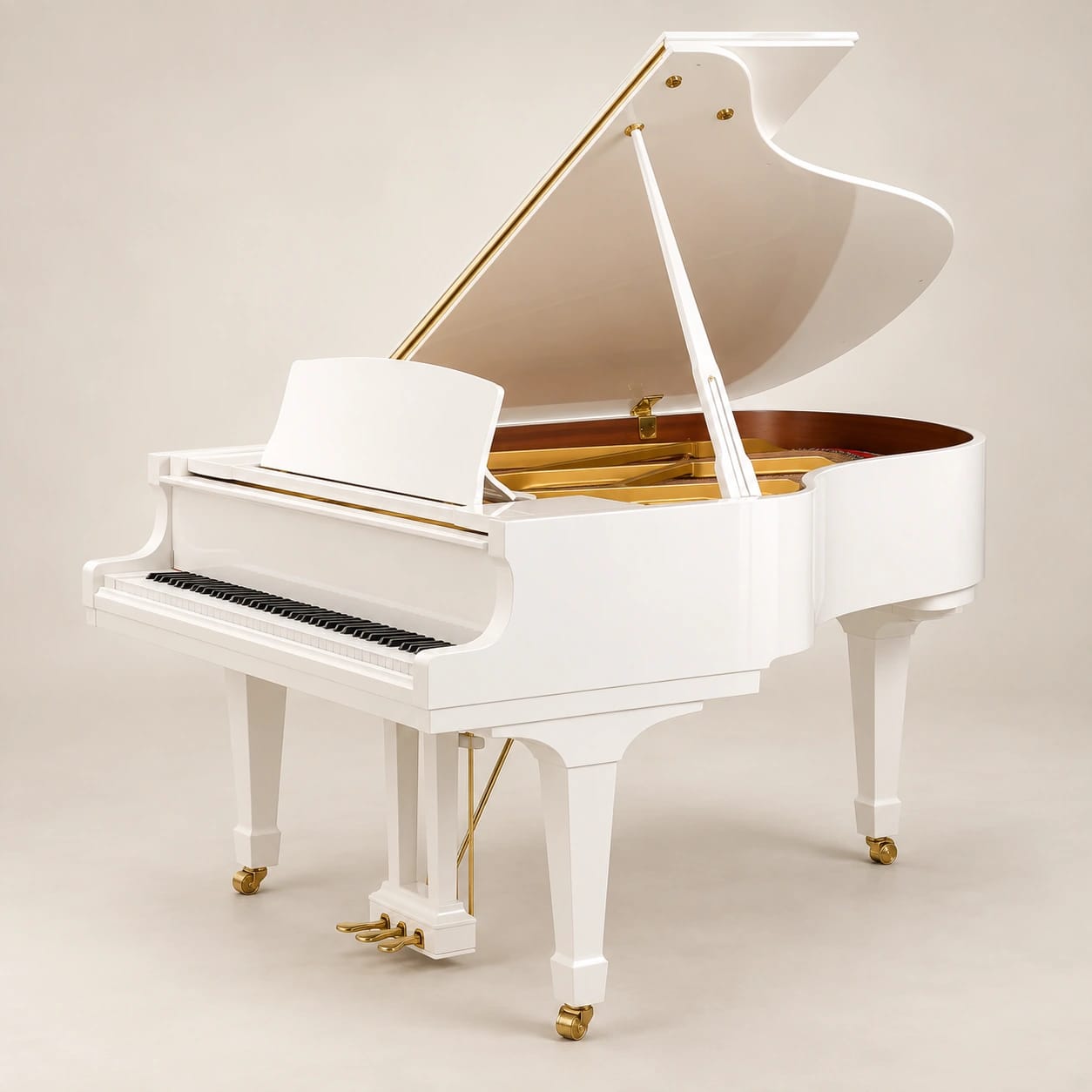
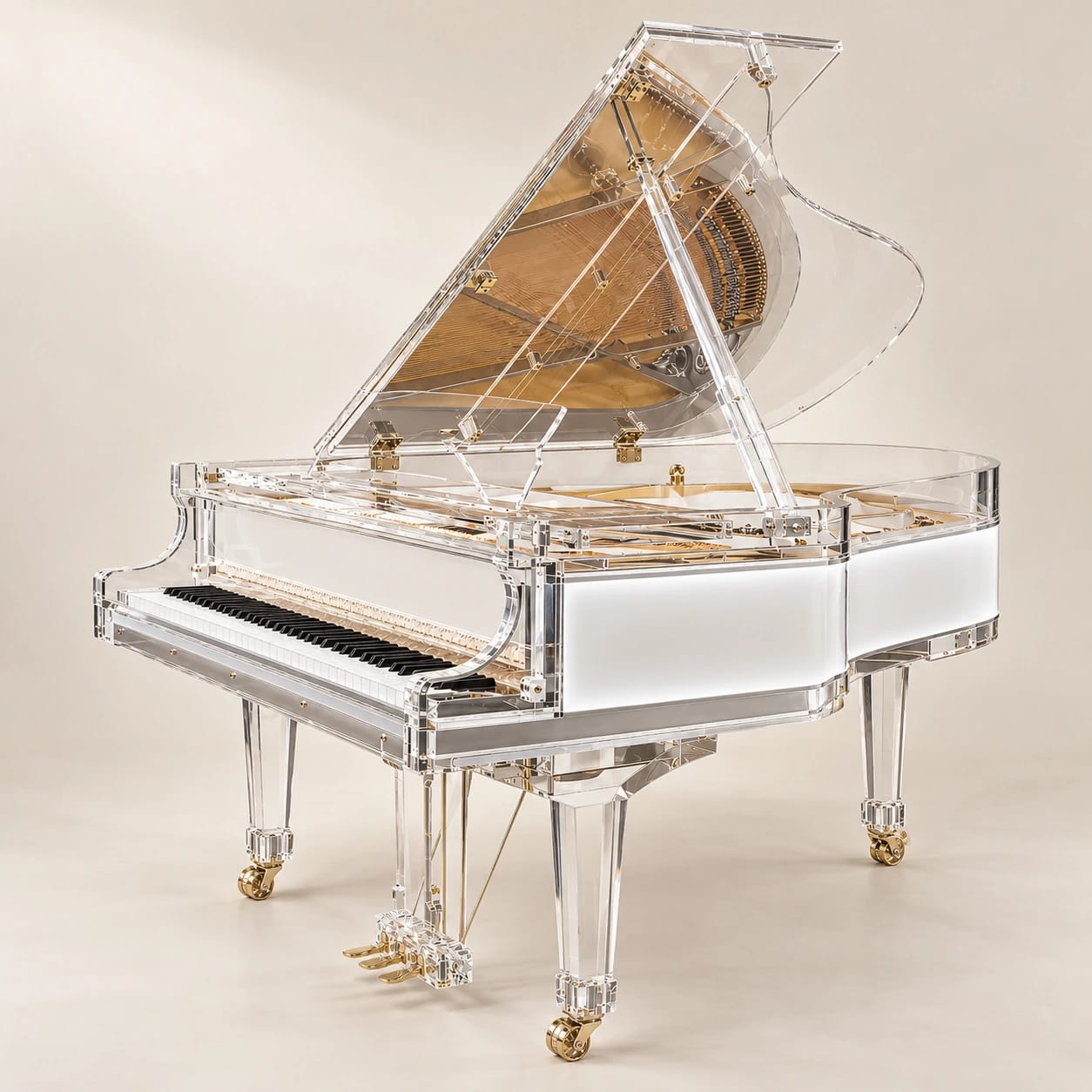
Studio visualisations. Date availability and venue arrangements are confirmed separately.
At a glance
From rider to show-ready handover
Extract the requirements
Separate essential rider clauses from preferences and unanswered questions.
Offer the named piano
Obtain artist acceptance of the proposed model before treating it as settled.
Advance the venue
Send loading, route, stage and collection details for assessment.
Sequence preparation
Coordinate placement, optional tuning, performer checks and audio work.
Confirm the handover
Keep the accepted booking and current production brief together.
Let’s talk about your hire
Have a date or venue in mind?
Tell us the occasion, the piano and the details you know. We can help work through the rest.
The practical details
Plan your hire with confidence.
Explore the parts that matter to your plans. If you’re unsure, we can talk them through with you.
A little more about this hire
A locally hired piano can remove one item from a tour's transport list, but it still needs a proper production advance. The useful question is not simply whether there is a grand piano in Melbourne. It is whether the proposed instrument, venue arrangements and preparation time answer this particular artist's brief.
This page is for the person joining those decisions together: the artist manager, tour manager or production coordinator. Use it to turn a rider, a venue conversation and a supplier enquiry into one agreed record. It is not a claim that a listed instrument satisfies every touring rider, or that a piano can be moved between venues under a single booking.
Explore the topics on this page
Translate the rider into decisions
Read the piano clause alongside the stage plot, production schedule and hospitality or venue notes. A model name in one document and a generic “grand piano” line in another may represent different expectations. Ask the artist's musical representative which document controls, and identify the person authorised to resolve a difference. Do this before forwarding a bundle of attachments and expecting the supplier to infer the answer.
Read the detail about Translate the rider into decisions
Make three short lists: essential requirements, preferences, and questions awaiting a decision. An essential requirement might be artist acceptance of a particular model; a preference might concern finish or orientation. Do not downgrade a requirement merely because another piano is available. Equally, avoid describing a preference as mandatory when the artist would happily consider an alternative. The distinction makes an enquiry answerable.
Attach the relevant rider extract, not the entire tour archive. Explain the performance format and what the piano will actually do: solo set, accompaniment, a short guest appearance or rehearsal. If the rider mentions a tuning standard, preparation request or accessory, ask for explicit confirmation of that item. A general hire confirmation should not be read as acceptance of every technical instruction contained in an attachment.
Keep a dated decision log with the chosen model and outstanding questions. When an answer changes, record who approved it and update the working brief. That log is particularly useful when the artist's manager approves the instrument but a different production person attends the show.
Advance the venue as carefully as the instrument
Ask the venue for the actual loading location and the route to the performance position. The audience entrance, stage door and loading entrance may be different points. Request venue-supplied route information and photographs, including changes of level, lifts and restrictions, for assessment by the hire team and moving specialists. Do not infer fit from a model number, a rough drawing or another instrument having arrived previously.
Read the detail about Advance the venue as carefully as the instrument
Separate access information from access approval. A venue contact can describe a lift or stage, while the responsible operators must confirm the proposed movement and placement. If a temporary stage is involved, pass the current instrument specifications to the staging provider and ask them to assess the complete arrangement. This guide does not certify a floor, a lift, a platform or a route.
Advance both delivery and collection. The route available during daytime load-in may be blocked by merchandise, crowd barriers or another vehicle at load-out. Ask who controls doors and loading access after the show, and whether any building booking expires before collection. Include the person who can resolve an on-site obstruction, rather than relying on an unattended general venue number.
Record changes in the same brief used for the artist advance. If the room, stage or entrance changes, send the revised details for reassessment. An approval for one position is not automatically approval for the other side of the building.
Build the piano sequence into the run sheet
Work backwards from the first moment the instrument is required for a meaningful production task. That may be a pianist's check, a rehearsal or an audio line check rather than doors opening. Give each task its own line in the schedule so the requested arrival, placement, optional tuning and soundcheck are not collapsed into a single “piano ready” time.
Read the detail about Build the piano sequence into the run sheet
Treat proposed supplier windows as requests until confirmed. Online booking requires at least two days' notice; it does not promise that a late touring change can be accommodated. If your schedule is urgent or depends on a precise handover, explain the constraint in an enquiry. Give the actual date and time rather than “before lunch” or “after the other band”. Avoid committing artist call times around an unconfirmed logistics assumption.
Ask the production team which activities need the same space. Scenic installation, lighting focus, soundcheck and instrument preparation can compete for the stage. Put the conflicts in the advance so the venue can sequence them. A quiet period for optional tuning is a production requirement to coordinate, not an empty gap that can quietly become rehearsal time.
Include collection in the master run sheet even if another person handles it. Identify when the instrument is released, which route remains clear, and who stays until the agreed handover. If overnight hire would better match building access, ask about that option rather than assuming same-night collection is available.
Settle model acceptance before substitution becomes urgent
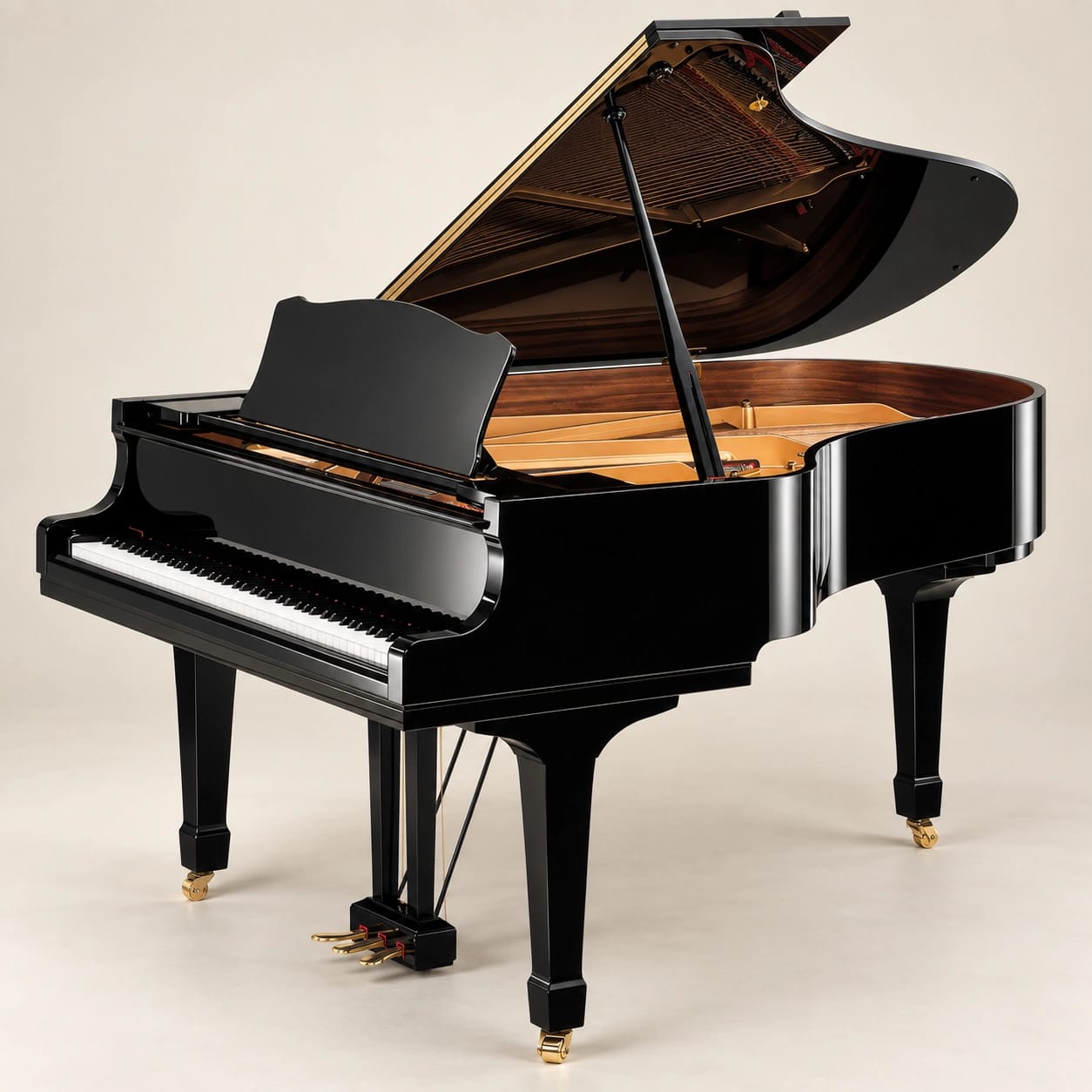
Piano Hire Australia's current collection is the white Stenberg 152, known as Gordon, the black Yamaha C3, Sebastian, and the clear Teschendorf M170, Oscar. These are named grand pianos, not a promise of an interchangeable touring backline package. Refer to the exact model in the enquiry and share the relevant collection information with the person making the musical decision.
Read the detail about Settle model acceptance before substitution becomes urgent
A finish that suits a stage concept does not establish musical suitability. Ask the performer to assess the offered instrument against their own requirements. If they request a particular action, tonal character or preparation, transmit the request without translating it into a guarantee. A hire supplier can respond to a specific question more usefully than to “professional standard required”.
Agree how a proposed change would be approved. The production coordinator should not have to guess whether a different instrument is acceptable while a show is being built. Record whether artist approval is required, which role gives it, and whether the show can proceed with an alternative. Do not state that a substitute is included or available unless the supplier has confirmed that arrangement.
For a run of performances, separate model acceptance from date availability. Acceptance for one date does not reserve the instrument for the next show. List every date, location and any planned movement in the enquiry so the team can assess the actual request rather than a shorthand description of the tour.
Divide musical preparation from audio production
Write down who owns each part of the sound plan. Optional on-site tuning is an instrument service; microphone choice, reinforcement, monitoring and recording are separate production decisions. Do not assume a piano hire includes a pianist, an audio technician, microphones or a sound system. Ask about any item you need and appoint the relevant supplier or crew member explicitly.
Read the detail about Divide musical preparation from audio production
Have the performer or musical director communicate preparation requirements before the day. If a preferred pitch or unusual technique matters, ask whether it can be accommodated and approved. Avoid requesting internal adjustments through a stagehand after delivery. The instrument remains hired property, and a creative idea is not permission to alter it or attach equipment to it.
Coordinate the preparation sequence with the audio team. They need to know when the piano will be in its final agreed position and when they can begin their own work. Ask them to keep stands, leads and production equipment out of the moving route until placement is complete. This is scheduling advice, not a microphone technique or a promise about the room's acoustic result.
Include a practical escalation route for a concern raised at soundcheck. Record the issue, notify the hire contact and follow the agreed response instead of attempting a repair. The aim is a clear handoff between artist, production and supplier, with each decision made by the person responsible for it.
Keep commercial approval attached to the technical brief
Tour administration often separates the person approving expenditure from the person advancing the show. Give both the same scope: named piano, dates, venue address, access information, requested tuning and proposed collection. Otherwise a purchase approval may describe one hire while the production schedule quietly grows into another.
Read the detail about Keep commercial approval attached to the technical brief
Use the live booking or written quote for costs. Do not build a budget from a copied historic rate, or assume that a venue change leaves the amount unchanged. Ask what needs to happen if the performance date, duration, access or location changes. Keep the accepted documents together with the production brief so a replacement tour manager can distinguish confirmed arrangements from an early enquiry.
If an organisation needs a particular invoice reference or approval step, raise that before assuming payment is complete. A purchase order or internal authorisation is not itself proof that the supplier has confirmed the booking. Check the actual booking status and retain the relevant confirmation. Review the current hire terms rather than relying on the rules of another supplier used elsewhere on the tour.
Finish the commercial handover with a list of unresolved items. It is better to state “collection timing awaiting confirmation” than to leave the field blank and let the next person read silence as agreement. The production document should make uncertainty visible without turning every planning preference into a contractual promise.
Manage changes across a moving production
Set one version of the piano brief as current and circulate updates deliberately. A useful update states what changed, why it matters and which confirmation is now required. “Venue revised” is too vague if the room, entrance, stage height and collection window all changed. Highlight the specific differences and ask the relevant parties to reassess them.
Read the detail about Manage changes across a moving production
A multi-venue itinerary needs separate access and placement information for each stop. Do not assume that a hire for one performance permits the touring crew to move the instrument to the next venue. Ask the hire team about the complete itinerary and required specialist transport. The collection lists instruments, not an open-ended permission to transport them yourself.
Plan for schedule changes without promising that they can be absorbed. If a soundcheck runs late, contact the relevant parties and agree what can move. If a second show is added, confirm the hire period and building arrangements. Preserve the distinction between an operational request and an accepted variation so the artist and venue are not working from different expectations.
At the end of the engagement, close the loop with the person handling collection and administration. Record any issue through the agreed channel and retain the final documents. A concise handover is more useful for the next production than a glowing account that omits the access complication or the approval that was still outstanding.
Send an advance that someone can answer
A good final enquiry reads as a short production brief rather than a sales request. Start with the event date, performance location and exact piano under consideration. State the first required use and last use, then describe the requested delivery and collection arrangements. Add the venue's access information and identify unresolved facts plainly.
Read the detail about Send an advance that someone can answer
Next, summarise the artist requirements and attach the relevant extracts. Make it clear which requirements have been accepted by the artist and which are questions for the supplier. Include the optional tuning request, the preparation sequence and any unusual use that needs permission. Keep audio equipment and performer engagement in a separate part of your production plan unless they have been expressly included.
Finally, ask for confirmation of the points that control your decision. That might be model and date availability, whether the proposed access can be assessed, and which timing arrangements are possible. Avoid a long list of speculative extras when the essential question is still whether the instrument is available for the show.
Use the brief builder on this page to organise those facts without entering personal contact details. Its output is a working note you can copy into your own enquiry; it does not submit a booking, hold an instrument or certify access. Check the current collection and process pages before converting the advance into a confirmed hire.
Want to organise your notes first?
Your enquiry
Tour piano advance builder
Create a working advance for your production team. No personal contact details, reservation or access approval are collected here.
Your notes stay in this page. Nothing is sent or saved automatically.
0 / 4,000 enquiry-note characters. Only answered fields and selected checks are included.
Read or select your brief
Tour piano advance

Show and rehearsal dates: To confirm
Artist instrument requirements: To confirm
Proposed piano: To confirm
Venue and loading plan: To confirm
Preparation sequence: To confirm
Collection handover: To confirm

Planning checklist
[ ] Artist requirements distinguished from preferences
[ ] Named model accepted by the authorised artist representative
[ ] Every venue and movement disclosed
[ ] Delivery and collection access supplied for assessment
[ ] Optional tuning and audio responsibilities separated
[ ] Technical and purchasing teams share the same scope
[ ] Unconfirmed items clearly marked

Planning notes only. Piano availability, access and arrangements need confirmation before booking.
Good to know
Your questions, answered.
Can you confirm that a piano meets our artist’s rider?
Send the exact rider requirement and the named instrument you are considering. The artist or their authorised representative needs to accept the proposed instrument; a model being in the collection does not establish compliance with every rider. Ask separately about tuning, preparation and any requested accessories. Keep written acceptance with the current production brief so a later crew member does not mistake an unanswered request for a confirmed inclusion.
Can the touring crew move the piano between shows?
Do not plan crew transport or repositioning on the assumption that it is part of the hire. Describe every venue and movement to Piano Hire Australia and obtain the agreed specialist transport arrangements. The route and placement at each location need their own assessment. Even within one venue, a move from rehearsal room to stage should be discussed in advance rather than treated as ordinary stage furniture handling.
What if our Melbourne date is less than two days away?
The online booking process needs at least two days’ notice. Contact the team with the date, venue, exact requirement and the decision deadline if the request is more urgent. That is an enquiry for assessment, not a promise of short-notice availability. Avoid telling the artist or venue that the instrument is secured until the relevant availability and arrangements have actually been confirmed.
Is tuning the same as organising the show’s sound?
No. Optional on-site tuning concerns preparation of the instrument. Your sound engineer or production team still needs to decide on microphones, reinforcement, monitoring and any recording arrangements. Confirm responsibilities and sequence those tasks around the agreed placement and preparation. Piano hire should not be described in the production budget as including an audio package or performer unless those items have been expressly agreed.
Let’s talk about your hire
Tell us what you’re imagining.
Tell us the occasion, the piano and the details you know. We can help work through the rest.