Winery events
Grand piano hire for a winery event
Explore a grand piano for your winery event’s music or setting. Share the exact property, event space and dates so we can assess the proposal and discuss the practical hire arrangements.
Black, white and clear grand pianos. We confirm availability and arrangements for each booking.
At a glance
What matters for your hire.
Identify the exact winery address, booked room and intended piano use. Confirm outside-instrument permission, document the authorised route and explain how the event relates to normal site activity. Treat any outdoor or partly exposed position as an individual assessment request. Agree readiness, optional services and collection before relying on the plan.
The collection
Find your grand piano.
Explore the instrument as well as its finish. We can talk through the right option for your plans and dates.
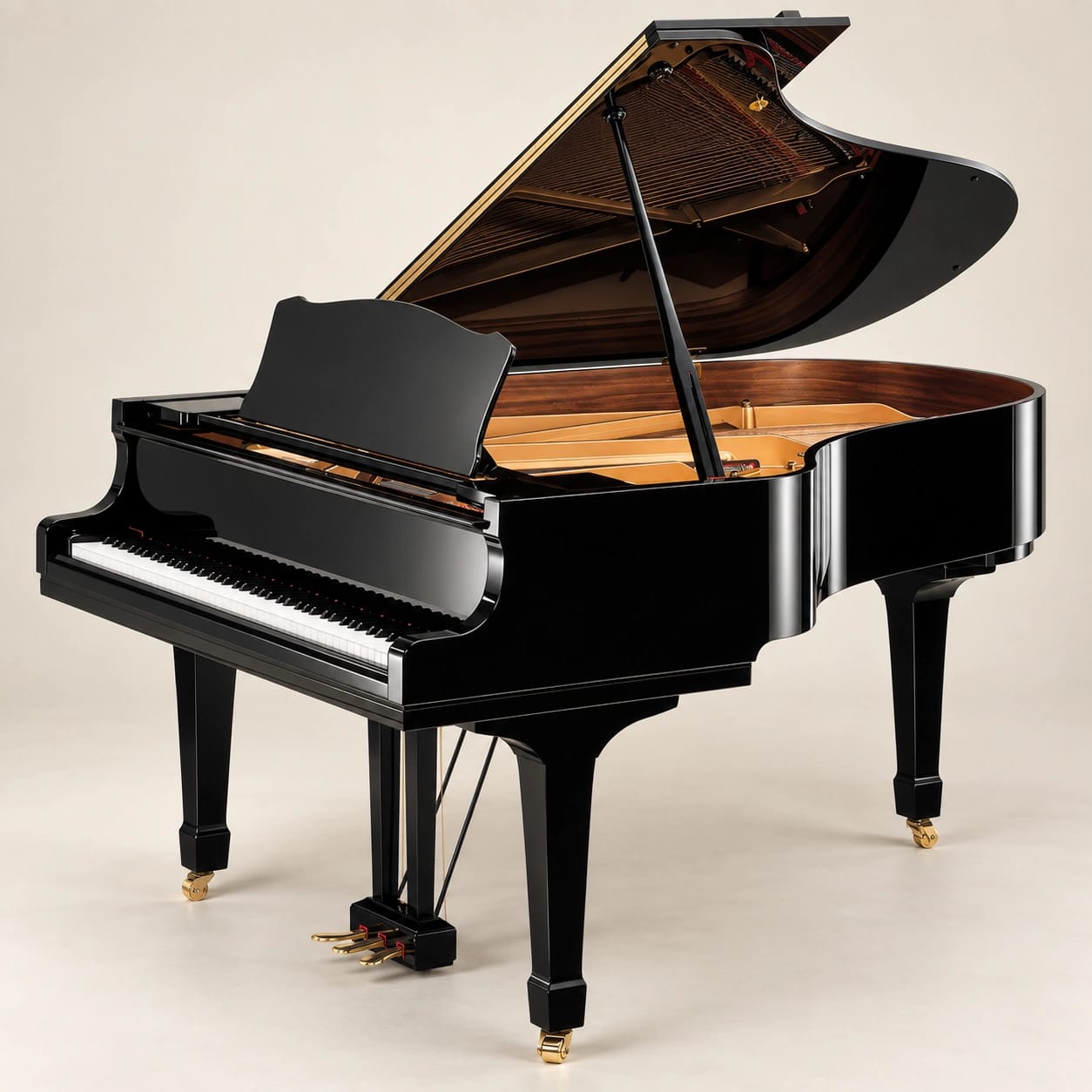
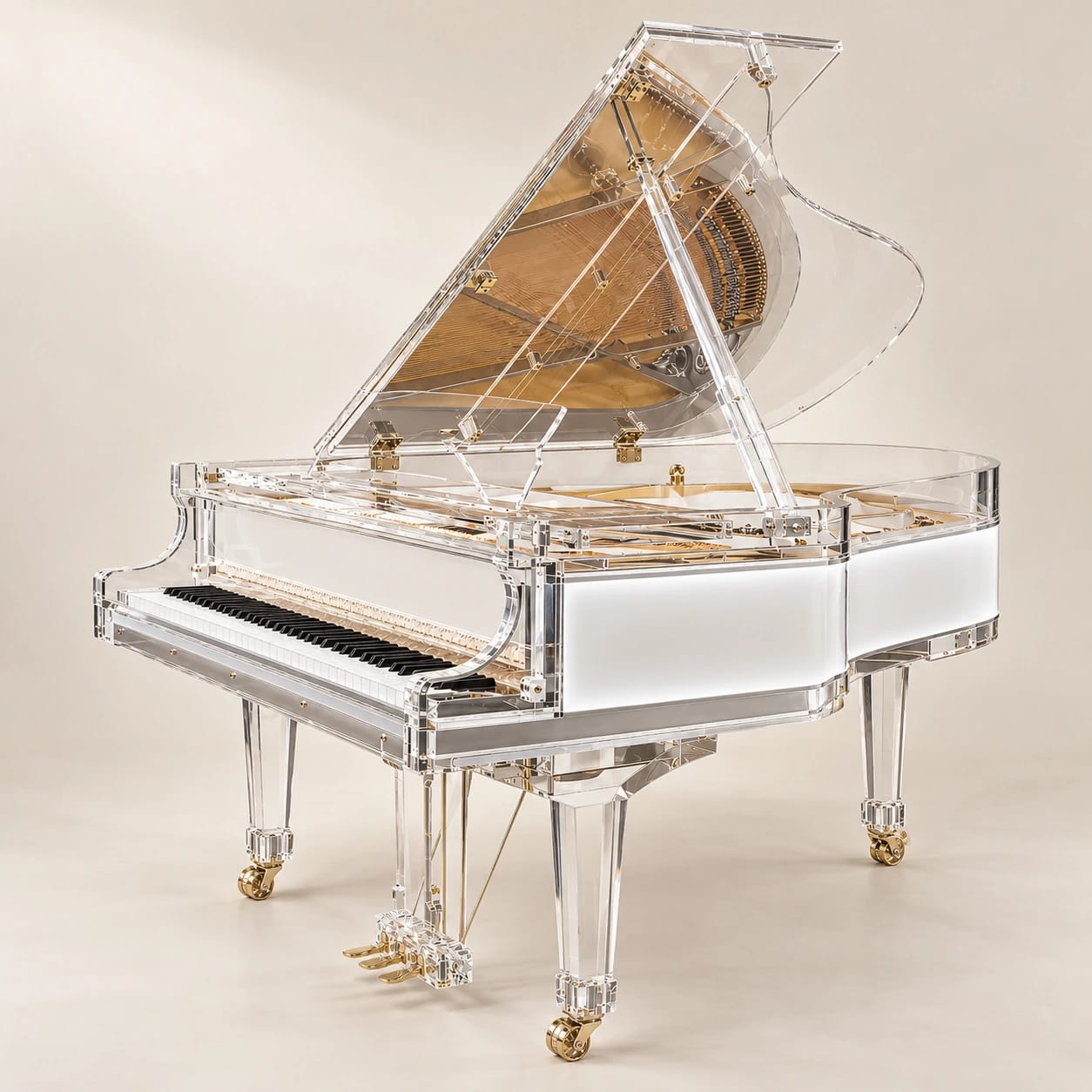
Studio visualisations. Date availability and venue arrangements are confirmed separately.
At a glance
Connect the event to the winery site
Name the space and purpose
Identify the actual room and every intended piano use.
Check location and permission
Confirm the exact address and outside-instrument conditions.
Map site interactions
Explain ordinary activity, shared access and room changes.
Agree placement and timing
Assess exposure, any position changes and optional services.
Confirm collection responsibility
Keep the route and handover clear through the end of the event.
Let’s talk about your hire
Have a date or venue in mind?
Tell us the occasion, the piano and the details you know. We can help work through the rest.
The practical details
Plan your hire with confidence.
Explore the parts that matter to your plans. If you’re unsure, we can talk them through with you.
A little more about this hire
A winery event can involve more than one setting: a reception room, a restaurant, a cellar-door space or a proposed outdoor area. The word winery does not tell the piano supplier which of those places you mean, who controls it or how an instrument would reach the final position. Start with the actual event space and the piano’s intended role.
This guide helps you ask the right questions before adding a grand piano to the plan. It focuses on the interaction between the event and the site: supplier permission, ordinary venue activity, the programme, access and collection. It does not claim that every winery is within the current service area or suitable for an outside hired instrument.
No winery partnership, previous delivery or approved outdoor arrangement is implied. Regional coverage and venue conditions need checking for the exact address and date. Use the guide to prepare a specific proposal, with alternatives and unanswered questions clearly marked for discussion.
Explore the topics on this page
Name the event space rather than the property alone
A property name is useful identification, but it is not a complete placement brief. State which room or area is being considered and whether that decision is final. If the venue offers several configurations, ask which one applies to your booking. Keep the name consistent across the enquiry, floor plan and event programme.
Read the detail about Name the event space rather than the property alone
Describe the piano’s role within that space. It may be intended for live music, a ceremony moment, a reception setting or photography. If the role changes, explain the sequence. A plan that starts as a display and later becomes a performance can raise preparation and placement questions that are invisible in a request for a piano at a winery.
Ask who can provide current information about the actual room and route. That may be the event coordinator or another authorised venue role, but do not assume a general sales contact can approve every operational detail. Bring the relevant information together before treating a visual proposal as a confirmed arrangement.
Check the location as a separate service question
Supply the exact address and postcode privately so the business can check the location. A venue described as being in a wine region is not automatically covered by a named regional option. Nearby districts, shared postcodes and tourism descriptions should not replace a specific service enquiry.
Read the detail about Check the location as a separate service question
Explain any location detail that affects the proposal without trying to decide the transport method yourself. Identify the authorised arrival point, whether the venue controls access through a gate or another area, and what information is still missing. The assessment needs the real site conditions rather than a driving estimate or a general statement that deliveries are possible.
If you are deciding between venues, keep a separate short scope for each one. The instrument and programme may remain the same while the room, route and timing change. Ask for the business’s view of those actual alternatives instead of carrying an accepted condition or quote from one property to another without checking.
Obtain permission for an outside instrument and its use
Ask the venue whether an outside hired grand piano can be considered in the specific space and for the intended activity. Describe whether it will be played or displayed and how long it is proposed to remain. The venue’s answer should relate to the real proposal, not a generic question about whether live music is allowed.
Read the detail about Obtain permission for an outside instrument and its use
Request the venue conditions relevant to suppliers, access and the room. If the venue has a house instrument or other fixed equipment, ask how that affects the proposal. Do not assume it can be removed or repositioned to make space, or that the venue’s instrument is part of the hire arrangement being discussed with Piano Hire Australia.
Keep permission separate from physical assessment. The venue may be willing to consider an instrument while the supplier still needs information about the route. Conversely, a room that appears physically spacious may have conditions that prevent the intended use. The booking needs the relevant answers from both parties before the organiser can rely on it.
Coordinate the event with ordinary venue activity
Ask what else is happening on the site during the proposed arrival and collection periods. If public visitors, dining service, other functions or operational activity will continue, identify how the event’s supplier access is managed. These are questions for the actual venue, not assumptions that every winery operates in the same way.
Read the detail about Coordinate the event with ordinary venue activity
Show the authorised route and the periods when it can be used. If an arrival point or corridor is shared, ask the venue how the relevant activities are coordinated. Give the business that information without promising a different timing arrangement on its behalf. A route is most useful when its operating conditions are understood as well as its physical shape.
The event plan should identify the role that can resolve a site-access question on the day. Keep personal details in private correspondence, but ensure the responsible people have the current arrangements. Avoid relying on an informal statement that someone at the venue will work it out when the instrument arrives.
Decide whether the piano stays in one setting
A programme may use several parts of the property, such as one space for a ceremony and another for the reception. Decide which part actually needs the hired piano. Do not assume the instrument can follow guests between locations or that a short distance between rooms makes a move an ordinary event task.
Read the detail about Decide whether the piano stays in one setting
If more than one position is essential, explain the proposed sequence before booking. Identify the spaces, timing and reason for the change so the business can assess what arrangements may be possible. The first route assessment does not automatically approve a second position, and the event team should not plan to move the piano independently.
A single agreed placement can simplify the brief if it suits the programme. Consider how the audience, performer and photography relate to that position, then discuss it with the venue. This is a planning option rather than a universal recommendation: the important point is that the intended sequence is explicit and accepted, not improvised after the first part of the event.
A useful way to resolve this is to list each programme moment beside the room where it happens. Mark whether the piano is essential, optional or not involved in that moment. This can reveal that only one part of the event needs the instrument, or that the proposed movement is more important than it first appeared. Share the resulting requirement with the venue and the business. The list does not approve a sequence; it helps the organiser make a clear decision about what should actually be assessed.
Treat outdoor and partly exposed proposals individually
State clearly if the desired location is outside, under a marquee, on a terrace or in another partly exposed setting. Do not let a photograph or room label conceal that condition. The business needs the exact proposal to consider it, and this guide does not establish outdoor suitability for any instrument.
Read the detail about Treat outdoor and partly exposed proposals individually
A covering, attractive view or event precedent is not an access or weather approval. Do not devise protective arrangements, moving instructions or a last-minute relocation plan from general advice. Ask what can be assessed and agreed for the actual setting. If the proposed conditions are uncertain, make that uncertainty part of the enquiry rather than treating it as a minor detail.
If an indoor alternative is available to discuss, give it a separate room name and route description. Confirm whether the venue can make that space available for the event, and ask how the alternative would be assessed. A backup is only useful once the relevant arrangements are understood; the existence of an indoor room somewhere on the property is not enough.
Match the instrument and preparation to the programme
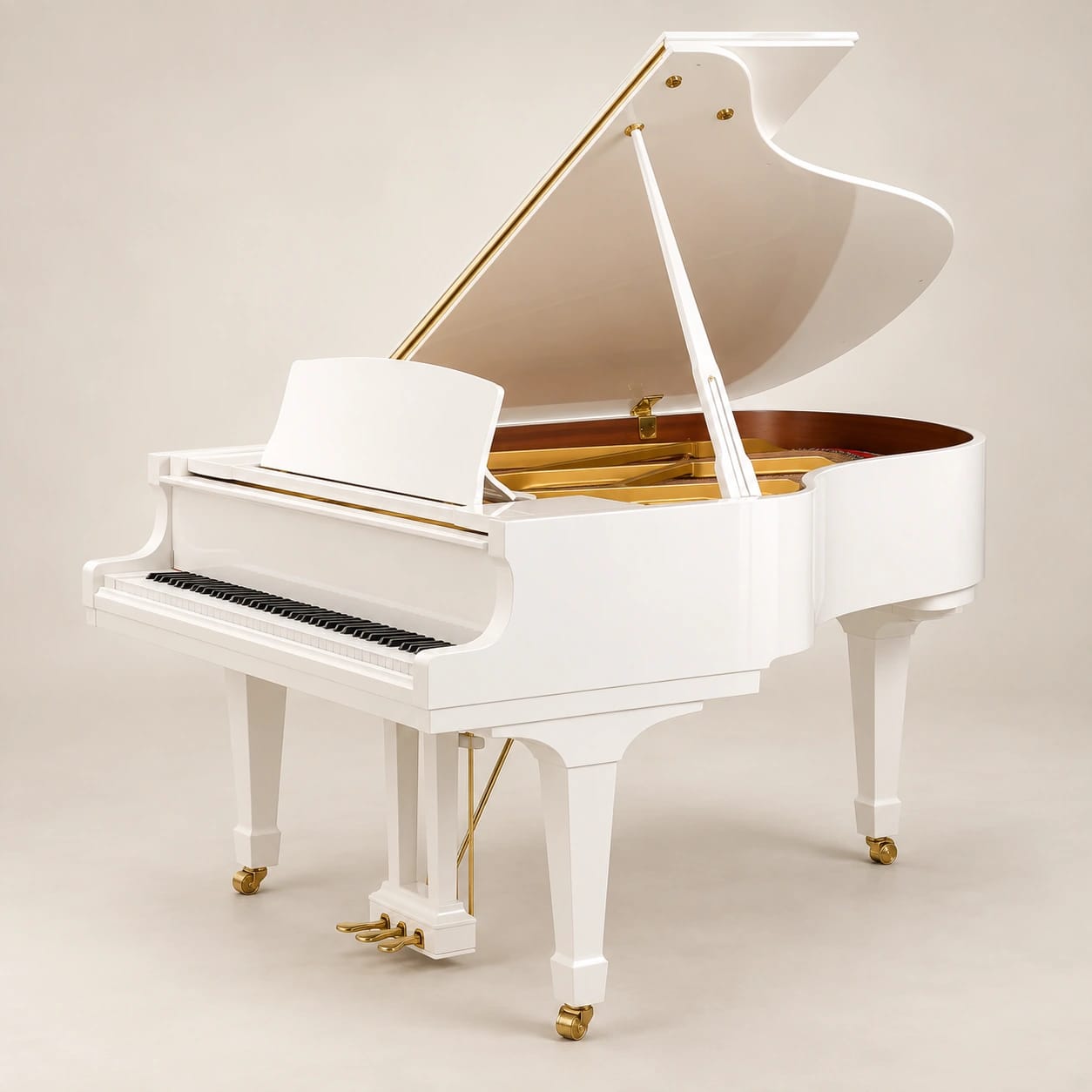
Piano Hire Australia’s current collection is the white Stenberg 152, black Yamaha C3 and clear Teschendorf M170. Compare the actual models with the visual brief and any performer requirements. A finish can complement a proposed setting, but appearance alone does not establish suitability, availability or the practical arrangements for that space.
Read the detail about Match the instrument and preparation to the programme
Ask the performer for essential requirements before the programme and instrument choice become fixed. Share the intended use, proposed position and first readiness requirement with the business. Keep performer services and other event production separate from instrument hire unless a specific arrangement has been confirmed.
On-site tuning is optional. If requested, discuss how a visit would fit around venue activity, room setup and rehearsal. The FAQs ask customers to allow a quiet hour, while the service and actual timing need confirmation for the booking. Do not assume a named tuner, an included regional visit or unrestricted access to the room during another venue activity.
Build the timeline from first readiness to room release
List the first moment the piano is needed, including rehearsal or photography before the guests arrive. Then add the venue’s permitted supplier access and the point at which the room must be released after the event. A schedule based only on the main ceremony or reception hours can overlook the most important constraints.
Read the detail about Build the timeline from first readiness to room release
Same-day hire refers to delivery and collection on the same future booked date. It does not mean immediate delivery today. The normal online process requires at least two days’ notice, and regional or unusual timing still needs individual confirmation. Give the business the requirement rather than estimating its transport schedule from ordinary road travel.
Where the event ends after the venue’s usual supplier access period, raise collection early. An overnight proposal may be worth discussing, but it needs an agreed period, responsible site role and suitable location. Do not assume the piano can remain indefinitely or that a later collection will be available simply because the venue permits it to stay.
Compare the quote against the complete winery brief
Use the same current brief when requesting and reviewing the quote. It should identify the instrument, exact location, room, dates, access, intended use and optional services. Check that material conditions discussed with the venue have been shared with the business rather than remaining in separate email conversations.
Read the detail about Compare the quote against the complete winery brief
Keep the venue’s costs and terms distinct from the instrument hire. Room occupation, event packages and other suppliers may have their own agreements. This guide does not state what a winery includes or publish a regional piano rate. Ask the relevant provider about each part of the proposal and compare complete scopes rather than isolated headline figures.
Read the accepted terms and ask about uncertainties before confirming. If a material detail changes afterwards, explain the revision and wait for agreement. The published FAQs describe hire-time and venue changes as case-by-case matters. A revised event plan is a request for consideration, not automatic approval of a new location, use or period.
Plan the collection handover while the site is still open to questions
Identify the role responsible for collection before the event team becomes busy with guests. Confirm that the venue access arrangements are understood at the end of the hire as well as the beginning. A different staff shift or room setup can make a collection visit quite different from installation, even at the same property.
Read the detail about Plan the collection handover while the site is still open to questions
Ask how the confirmed route will remain available when furniture, catering equipment or other event materials are being packed. Coordinate the relevant teams around that plan without asking them to handle the piano. If the room or route changes, communicate the change before the visit so it can be assessed.
Retain the accepted arrangement and any confirmed changes as the event record. Lessons from the planning can help a future enquiry, but they should not be treated as proof that every winery, room or season is covered. The useful detail is the specific location and arrangement that was assessed, with the next proposal considered on its own current facts.
Want to organise your notes first?
Your enquiry
Build a winery event piano brief
Capture the operational questions without personal or private address details. This is a preparation tool, not an approval.
Your notes stay in this page. Nothing is sent or saved automatically.
0 / 4,000 enquiry-note characters. Only answered fields and selected checks are included.
Read or select your brief
Winery event piano enquiry brief

Event space: To confirm
Piano programme: To confirm
Other site activity: To confirm
Placement proposal: To confirm
Venue permission: To confirm
Timing and collection: To confirm

Planning checklist
[ ] Identify the exact address privately.
[ ] Name the specific event space.
[ ] Confirm outside-instrument permission.
[ ] Ask about site activity during both visits.
[ ] Flag every proposed change of position.
[ ] Treat outdoor or exposed locations as individual requests.
[ ] Request optional tuning explicitly.
[ ] Agree the full collection handover.

Planning notes only. Piano availability, access and arrangements need confirmation before booking.
Good to know
Your questions, answered.
Does Piano Hire Australia deliver to every winery in a named wine region?
No blanket coverage is implied. Provide the exact address and postcode privately for a service check. A tourism region or nearby town label does not establish that the location, venue room or proposed arrangement is accepted.
Can the piano move from ceremony to reception?
Describe that proposal before booking and ask for assessment of the spaces, route and timing. Do not assume the event team can move the instrument or that approval of one position covers another. The appropriate arrangements need to be explicitly agreed.
Does a marquee make an outdoor piano position suitable?
No automatic suitability follows from a marquee or other cover. Explain the exact setting and request individual assessment. Any alternative indoor position also needs venue permission, route information and booking-specific confirmation before it becomes an agreed plan.
Is a winery event booking also a booking for a pianist?
Instrument hire does not establish performer services. Confirm the performer and any technical production separately unless a specific arrangement has been agreed. Share genuine instrument requirements and the programme with the business before finalising the piano selection.
Should delivery and collection fit around cellar-door activity?
Ask the venue what other activity occurs during the proposed periods and what supplier access conditions apply. Share its current requirements with the business. Do not assume a normal visitor entrance or ordinary opening hours define the delivery arrangement.
Let’s talk about your hire
Tell us what you’re imagining.
Tell us the occasion, the piano and the details you know. We can help work through the rest.