Understanding your hire
Grand piano hire cost explained
See what shapes a grand piano hire quote, from your dates and chosen instrument to venue access and optional tuning. Then talk through the arrangements you need with our team.
Black, white and clear grand pianos. We confirm availability and arrangements for each booking.

At a glance
What matters for your hire.
Start with the piano, delivery date, collection date and exact placement requirements. Then identify transport timing, stairs or lift access and any requested on-site tuning. Use the live booking total or an individual quote for current pricing. A lower headline hire amount is not a useful comparison unless the instruments, dates, transport arrangements and inclusions are equivalent.
At a glance
From rough budget to a usable quote
Define the use
Identify whether the piano is for playing, display or both.
Set the occupied period
Include setup, rehearsal and the venue’s collection constraints.
Describe both transport legs
Record delivery and collection access separately.
Choose optional services
Explain any tuning request and its available time.
Check the written proposal
Match the current quote and terms to the brief before confirming.
Let’s talk about your hire
Have a date or venue in mind?
Tell us the occasion, the piano and the details you know. We can help work through the rest.
Your enquiry
Build a piano hire pricing brief
Summarise the decisions that affect a quote. This does not calculate a price or submit an enquiry.
Your notes stay in this page. Nothing is sent or saved automatically.
0 / 4,000 enquiry-note characters. Only answered fields and selected checks are included.
Read or select your brief
Your pricing enquiry brief

Piano and purpose: To confirm
Hire period: To confirm
Venue and room type: To confirm
Transport constraints: To confirm
Optional tuning: To confirm

Planning checklist
[ ] The instrument choice has been discussed with the person using it.
[ ] Delivery and collection requirements are listed separately.
[ ] Known access uncertainty is clearly labelled.
[ ] Any internal relocation has been declared.
[ ] Optional services are deliberate choices.
[ ] The current quote will be checked against this brief.

Planning notes only. Piano availability, access and arrangements need confirmation before booking.
The practical details
Plan your hire with confidence.
Explore the parts that matter to your plans. If you’re unsure, we can talk them through with you.
A little more about this hire
A useful piano hire price answers a practical question: what will it take to have the right instrument in the right place for the whole period you need it? The hire itself is only part of that answer. Delivery, collection, the route into the room, timing and any on-site tuning all need to describe the same plan.
This guide helps you prepare that plan and compare a quote against it. It does not reproduce a rate card. Piano Hire Australia’s booking system and your confirmed quote provide the current amounts for your selection. By separating the decisions before looking at the total, you can see what is essential, what is optional and what still needs assessment.
Explore the topics on this page
Separate the hire period from the event duration
An event can last a few hours while the piano needs to remain on site much longer. The room might become available the day before, a performer might need a rehearsal, or the venue might not permit collection until the following business day. Describe the period from permitted delivery to permitted collection, not simply the time printed on the invitation. Those are different schedules and can produce different booking requirements.
Read the detail about Separate the hire period from the event duration
Write down three times before choosing dates: when the venue can receive the instrument, when it must be ready to use and when the space must be clear again. If any of these is provisional, mark it as provisional in your enquiry. This is more useful than choosing a convenient time online and hoping another supplier can move their work around it later.
For a display campaign, include the photography day and any time between final inspections and collection. For a recording session, include setup and the agreed tuning opportunity. A longer booking should serve a real operational purpose. It should not be added automatically because the event feels important, nor removed solely to make the initial total look smaller.
Choose the instrument before comparing totals
The current collection comprises the white Stenberg 152, the black Yamaha C3 and the clear Teschendorf M170. Begin with what the piano needs to do. A visual installation may prioritise its finish and relationship to the room, while a performance needs the artist to consider the actual instrument. A model name, finish and intended use make a much clearer pricing enquiry than simply asking for a grand piano.
Read the detail about Choose the instrument before comparing totals
Ask anyone responsible for playing or approving the instrument to confirm the choice before you finalise the hire. A photograph can help a stylist make a visual decision, but it does not establish the performer’s acceptance, the room’s acoustic result or a usable transport route. These are separate checks. If you have an acceptable alternative, record it explicitly so the team knows which part of the brief is flexible.
When comparing options, keep the rest of the booking the same. Changing the model, dates and collection time together makes it difficult to understand what changed the total. Compare one decision at a time and keep the chosen model visible on the booking summary, particularly when an agency or venue is arranging the piano for somebody else.
Treat delivery and collection as separate jobs
Delivery brings the piano to an agreed position; collection takes it away again under the conditions available at the end of the hire. The two legs can have different restrictions. A loading area might be open during weekday setup but unavailable after a reception, or a lift might require a building representative who does not work during the proposed collection window. Do not assume that describing delivery access also describes collection.
Read the detail about Treat delivery and collection as separate jobs
Record the intended route and the venue’s permitted windows for both movements. Include who must arrange building access, whether a booking is needed for a loading facility and whether another event changes the available route. Ask the venue for its current requirements rather than relying on the arrangements from a previous function. The piano team can then assess the actual plan.
Transport is not an invitation for event staff to relocate the piano themselves. If the plan includes a move between rooms, floors or ceremony and reception spaces, raise that before accepting the quote. An internal relocation is a separate requirement to explain, even when the building address stays the same. Confirm who will carry it out and whether the proposed schedule can accommodate it.
Describe access without trying to certify it
A helpful access description follows the full journey to the final position. It starts with the vehicle’s permitted unloading point and continues through entries, turns, level changes, lifts and the placement area. Saying that a venue is on the ground floor may omit a short flight of steps at the entrance. Saying there is a lift does not establish that the full loaded route is suitable.
Read the detail about Describe access without trying to certify it
Provide photographs and the venue’s relevant information through the agreed booking or enquiry process. Point out uncertainty rather than filling a gap with a guess. The purpose is to give the specialist team enough information to assess the movement; the customer is not expected to approve a route, calculate a lifting method or promise that an instrument will fit.
Access requirements can affect the arrangements behind a quote. If the route changes after a furniture installation or a stage is added later, ask for reassessment before delivery. A quote based on one placement plan should not silently become a booking for another. Keep the final room position and the agreed route together so the people preparing the venue are working from the same information.
Understand timing requests and same-day hire
A delivery window is not the same as an exact arrival appointment. The current standard booking options describe weekday transport windows, while unusual timing requires discussion. If your event depends on a room becoming available at a precise moment, explain the constraint and ask what can be agreed. Do not build a programme around the earliest minute in a window unless that arrangement has been expressly confirmed.
Read the detail about Understand timing requests and same-day hire
Same-day hire means delivery and collection on the same booked date. It does not mean a piano can be ordered for immediate delivery today. It can suit a plan where there is sufficient approved time for arrival, placement, any preparation and collection, but the event’s short duration does not itself make the transport schedule workable. The normal online booking flow requires advance notice.
List the event’s fixed moments separately from your preferences. Guest arrival, a performance start and a building closure might be fixed; an early afternoon styling session may have some flexibility. Showing that difference lets the team evaluate alternatives without guessing which deadline matters most. Any revised arrangement should appear in the agreed booking, not remain an informal assumption in an earlier conversation.
Decide whether on-site tuning belongs in the brief
On-site tuning is optional, so it should be a deliberate choice rather than an assumed inclusion. Tell the team whether the piano will be played, how it will be used and whether a performer has specific requirements. The current booking choices allow no on-site tuning or a requested visit arrangement. Confirm the appropriate option for the particular booking instead of assuming the same selection is right for a display and a performance.
Read the detail about Decide whether on-site tuning belongs in the brief
If tuning is requested, plan a suitable opportunity for it. The published process asks customers to allow a quiet period for the work. A room filled with sound checks, construction or guest activity may not provide that opportunity, even if the calendar technically shows an empty hour. Coordinate the room’s other activities and ask how the requested tuning fits the transport and rehearsal plan.
Do not treat an optional service as a guarantee of a particular recording result or an artist’s acceptance. A performer or producer should communicate their own requirements early. If more than one visit is being considered, explain the reason and timing of each rather than selecting extras without a purpose. Current personnel and the final arrangements are confirmed for the booking.
Compare like with like when reviewing a quote
Place the written brief beside the quote and work through it in the same order. Check the model, dates, delivery and collection arrangements, access information and optional services. Then ask whether the quote describes all the requirements you supplied. If something is missing, clarify it before comparing the total with another supplier or another version of the plan.
Read the detail about Compare like with like when reviewing a quote
A useful comparison also separates the piano from services that are outside this hire. A pianist, amplification, microphones, staging, event styling and venue hire are not interchangeable with an instrument booking. If another proposal includes any of those, list them separately. A package may answer a broader question, but its total cannot be compared fairly with an instrument-only figure without examining what each supplier is providing.
Read the applicable payment and cancellation terms with the quote. If a security deposit is included in your booking, distinguish it from the hire charges and check the relevant conditions; do not assume every booking has the same deposit arrangement. Ask for clarification on any amount you cannot identify. The goal is a clear agreement, not a total assembled from remembered figures or an old screenshot.
Change the plan thoughtfully when working to a budget
Start with the part of the event that makes the piano valuable. It might be a live performance, a central wedding image or a consistent room setting throughout a sales campaign. Preserve that purpose while looking for genuine flexibility elsewhere. Ask whether different approved delivery or collection arrangements, a suitable alternative model or a more accurately defined hire period would change the proposal.
Read the detail about Change the plan thoughtfully when working to a budget
Avoid savings that depend on work somebody has not agreed to do. A shorter hire is not useful if it requires an unapproved overnight storage area or assumes venue staff will move the instrument. Omitting requested tuning without consulting the performer can also change the brief rather than simply reduce the cost. Discuss these decisions with the person responsible for the outcome.
Use a simple version record when the plan changes: what changed, why it changed and which revised quote now applies. This is especially helpful when a client, planner and venue are all involved. Once an option is agreed, stop circulating earlier totals without their context. A clear current version reduces the risk of approving one plan while the delivery team has been asked to execute another.
Prepare a quote request that can be answered
The brief builder on this page turns your decisions into a short summary you can copy into an enquiry. Include the preferred model and use, the relevant dates, the location and room type, the timing constraints and the known access issues. Keep personal contact and payment details out of this planning tool. It prepares a brief in your browser; it does not request availability, reserve a piano or send anything to the team.
Read the detail about Prepare a quote request that can be answered
Before submitting your enquiry through the contact or booking process, check the summary with the venue and anyone playing the piano. Replace broad statements such as easy access with the actual known facts, and label unresolved questions. If your venue has a document that governs outside suppliers or loading arrangements, ask how to provide the relevant material for assessment.
When the answer arrives, look for the remaining decisions as well as the total. You may need to confirm a room position, choose an optional service or agree a collection arrangement. Complete those steps and retain the final confirmation. That is the point at which the budget, instrument and practical plan come together into something the people on site can use.
The collection
Find your grand piano.
Explore the instrument as well as its finish. We can talk through the right option for your plans and dates.
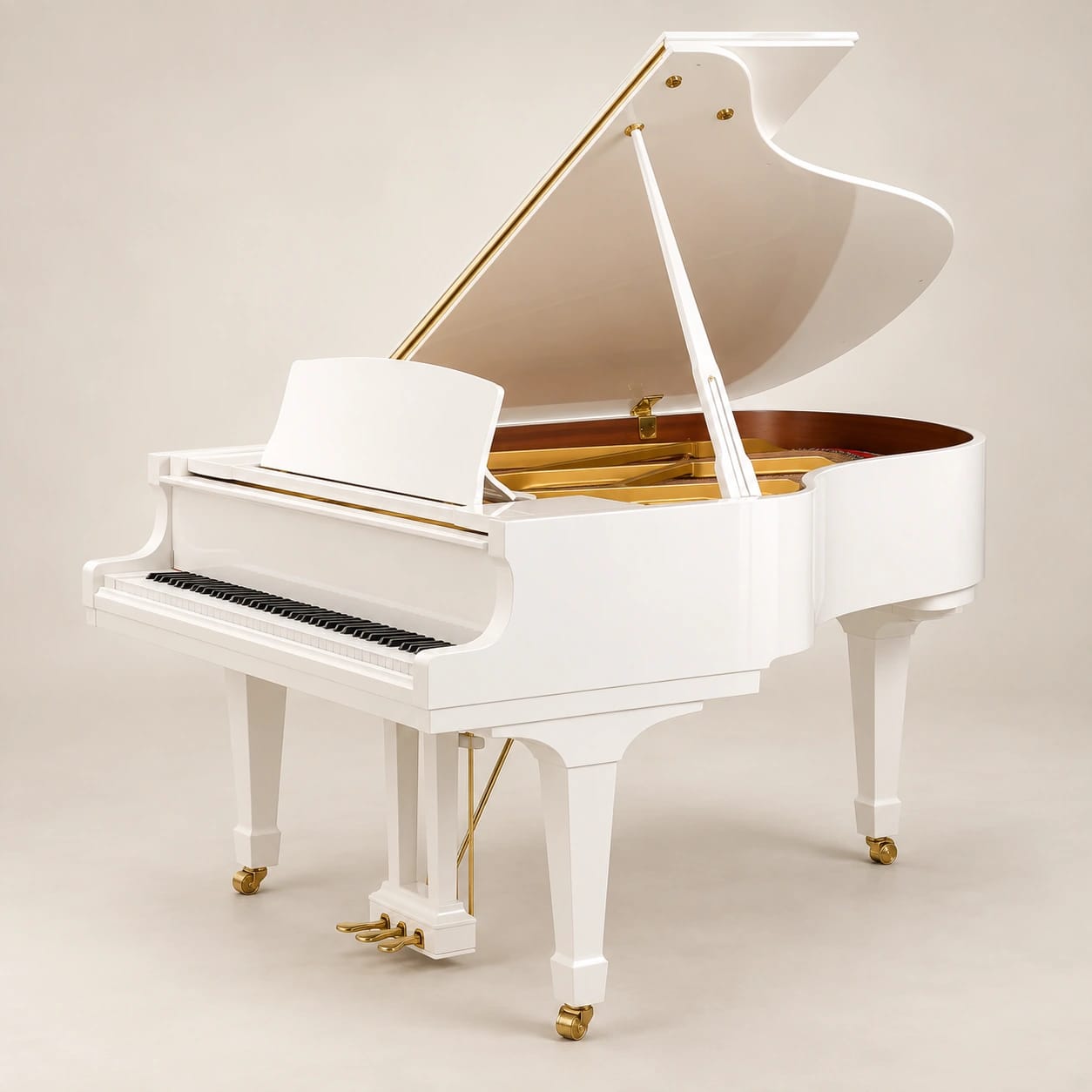
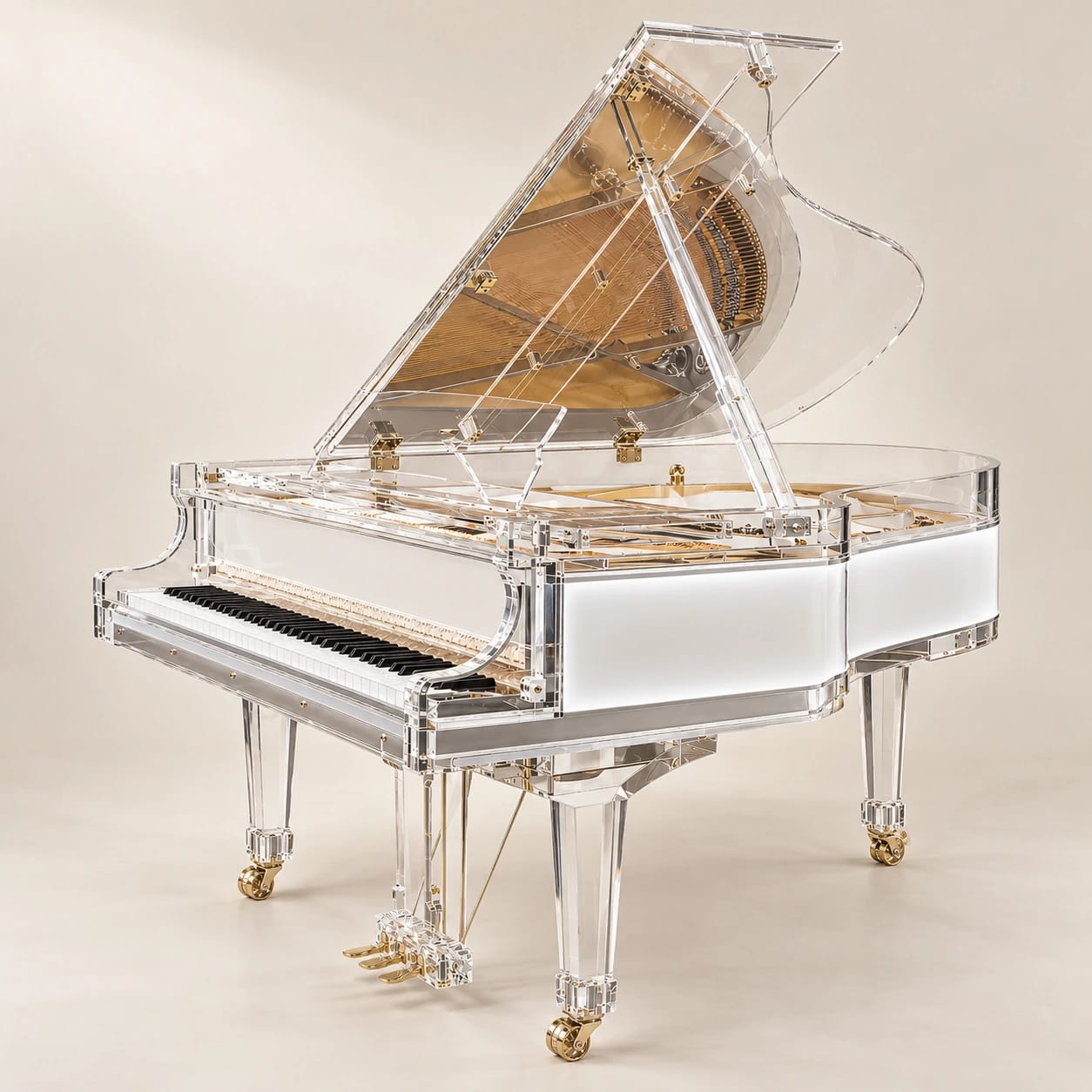
Studio visualisations. Date availability and venue arrangements are confirmed separately.
Good to know
Your questions, answered.
Can I get an accurate price without knowing the venue?
You can start a conversation, but an accurate final arrangement needs the location and access requirements. A venue name alone may still leave the room, entry route or permitted movement times unresolved. Treat any early discussion as provisional and supply the missing details before relying on a total for approval.
Is the cheapest hire period the shortest event slot?
Not necessarily. The instrument needs to be delivered and collected under workable arrangements, which may extend beyond the public event. Start with the venue’s available setup and removal periods, then ask about a suitable hire duration. Do not assume an event lasting two hours creates a two-hour transport booking.
Should I include a pianist in this budget?
Budget for a performer separately if the event needs one. Piano Hire Australia’s instrument choice does not itself book a musician, sound system or stage. Ask the relevant suppliers for their own scope and coordinate the shared schedule so the piano is ready when the performer needs it.
What if my dates or venue change after booking?
Contact the team with the booking reference and the proposed change. A new venue can change access and placement, while different dates or times can change availability and arrangements. Keep the current confirmation until a revised plan is agreed, and consult the applicable terms rather than assuming the original total still applies.
Let’s talk about your hire
Tell us what you’re imagining.
Tell us the occasion, the piano and the details you know. We can help work through the rest.