Property styling
Piano hire for property styling
Explore a grand piano as part of your property styling concept. Choose the instrument you would like to consider, then discuss the room, photography schedule and proposed hire period with us.
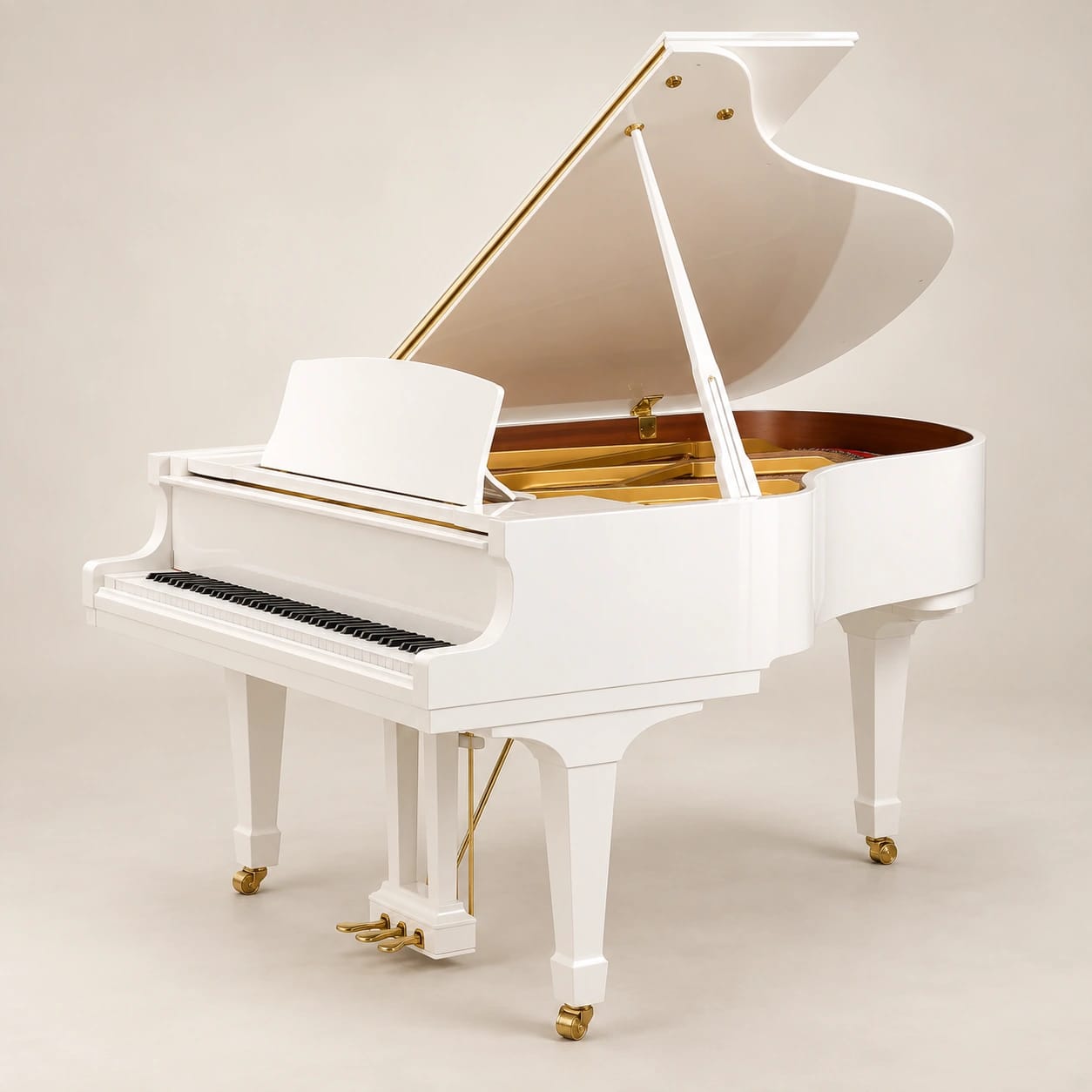
Black, white and clear grand pianos. We confirm availability and arrangements for each booking.
At a glance
What matters for your hire.
Define the room’s intended presentation, compare the current piano finishes and confirm the proposed position with the stylist and property representative. Plan for photography, inspections and the full period the instrument needs to remain. Access and placement require assessment, and extended hires or later changes need agreement. No sale-price, buyer-response or property-performance outcome is guaranteed.
The collection
Find your grand piano.
Explore the instrument as well as its finish. We can talk through the right option for your plans and dates.
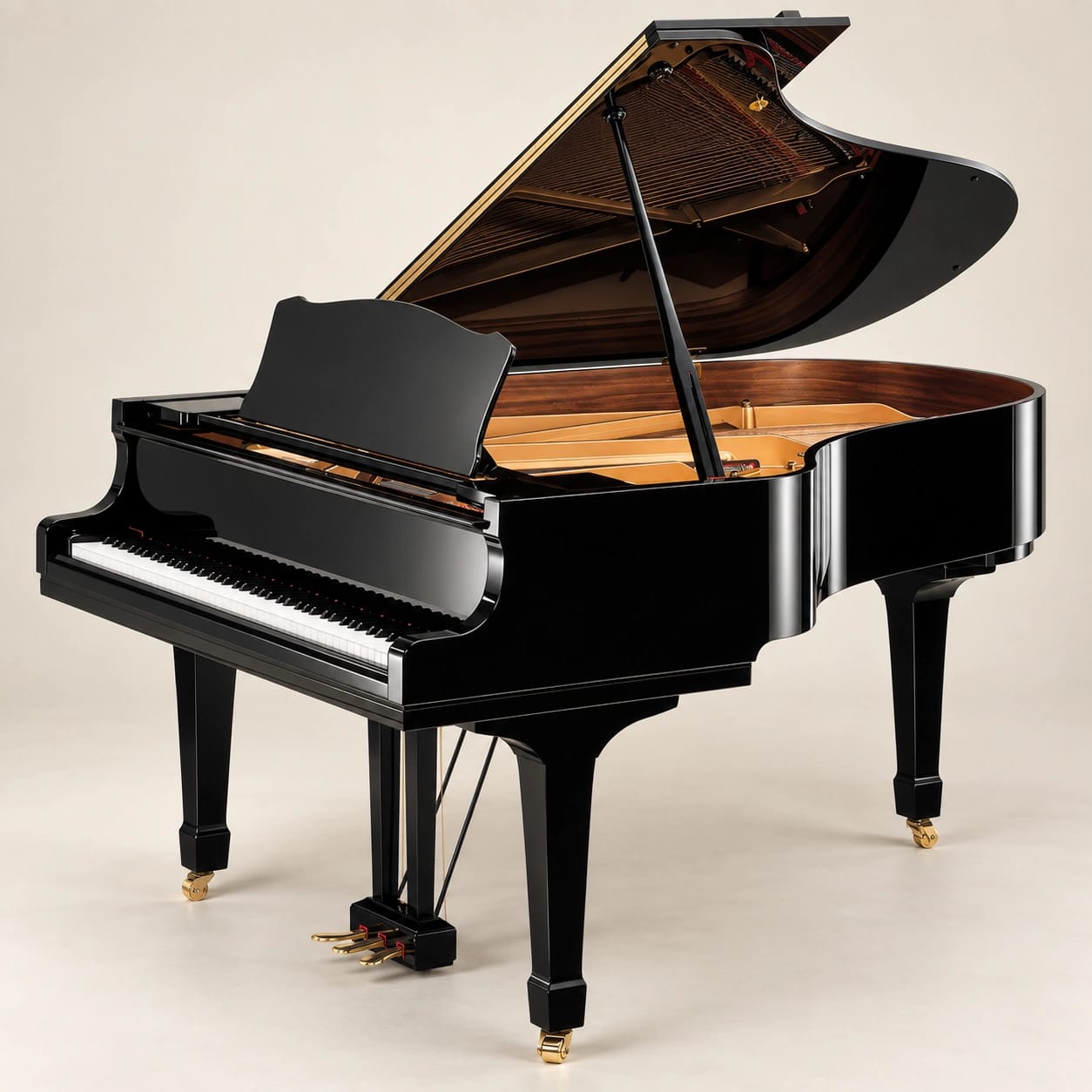
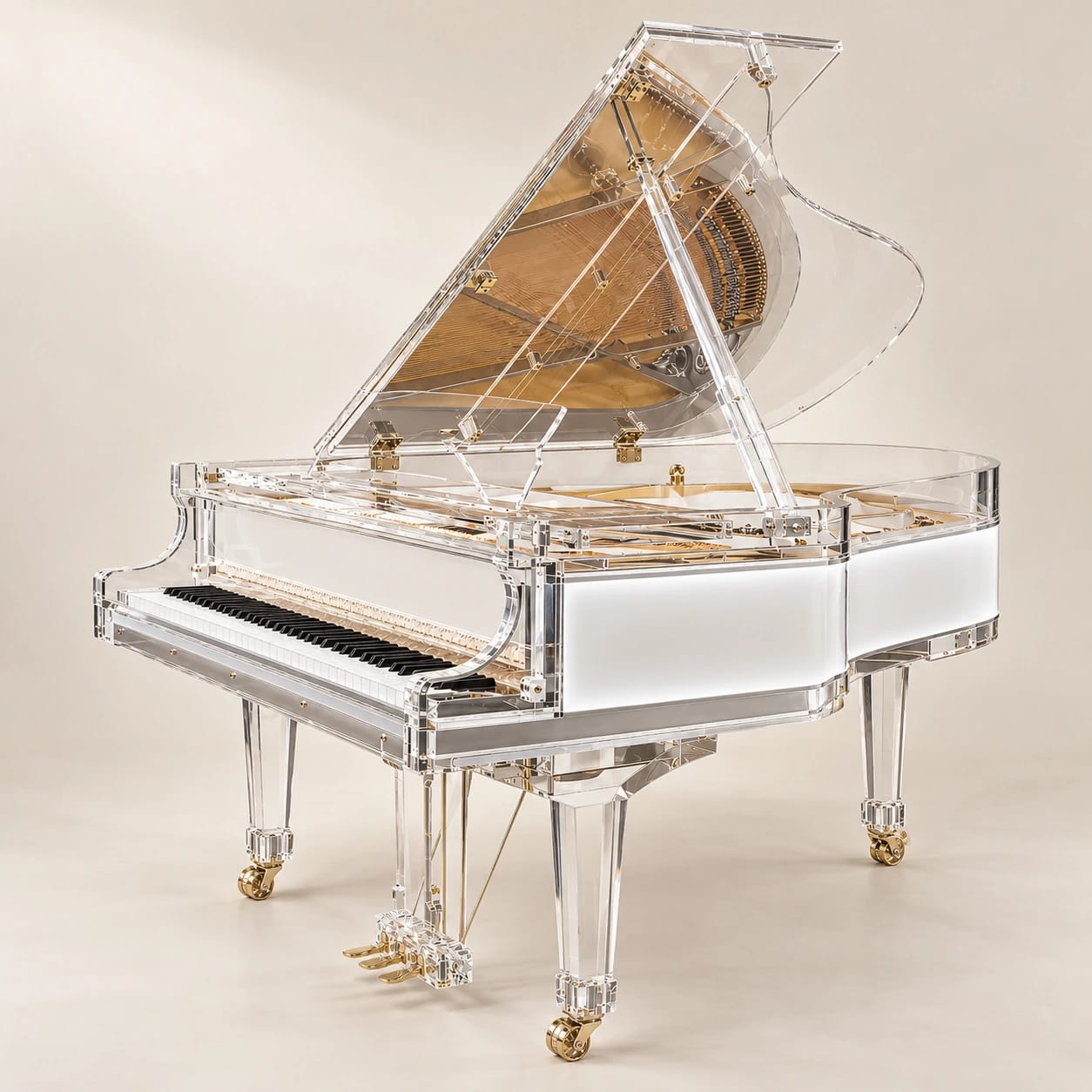
Studio visualisations. Date availability and venue arrangements are confirmed separately.
At a glance
From room concept to display hire
Define the room story
Explain the role the piano serves within the styling.
Choose a finish and model
Compare the collection against the actual property setting.
Assess position and route
Share the layout and access information for specialist review.
Match campaign dates
Include photography, inspections and the intended display period.
Set the review and collection plan
Check changes before the agreed hire period ends.
Let’s talk about your hire
Have a date or venue in mind?
Tell us the occasion, the piano and the details you know. We can help work through the rest.
The practical details
Plan your hire with confidence.
Explore the parts that matter to your plans. If you’re unsure, we can talk them through with you.
A little more about this hire
A grand piano can be considered as part of a property’s presentation when it has a clear job in the room. It might help explain the scale of a living area, support a particular interior direction or provide a focal point for campaign photography. The decision should begin with the room and the intended presentation, rather than with a promise that a piano will increase the sale price.
This guide helps you decide whether a piano belongs in a styling plan and how to prepare the hire around that decision. It concentrates on the visual brief and the practical use of the property. The separate real-estate campaign guide follows the longer sequence from photography and inspections through changes and collection.
Explore the topics on this page
Give the piano a specific purpose in the styling concept
Begin with the room’s role in the property presentation. Is it being shown as a formal living space, a place for entertaining or a room with a musical identity? A piano should support that idea rather than become an unrelated object added because the floor appears empty. Ask the stylist to explain what it contributes to the composition and what other choices depend on it.
Read the detail about Give the piano a specific purpose in the styling concept
Consider the rest of the furniture and the way the room will be photographed and visited. A feature can look appealing in one camera angle while making the everyday layout harder to understand. The stylist and property representative should assess the overall presentation, with the venue or relevant professional responsible for any physical requirements. This guide does not approve a floor plan or certify a placement.
Keep the proposed benefit in the realm of the styling brief. A hired piano does not establish a particular increase in sale price, enquiry rate or buyer interest. Those outcomes are not supported by this hire information. The useful question is whether the instrument helps communicate the intended room setting and whether the practical arrangement is suitable for the actual campaign.
Compare finishes against the property’s existing character
The current collection includes the white Stenberg 152, black Yamaha C3 and clear Teschendorf M170. Compare them with the room’s actual materials, furniture and light rather than treating one finish as universally appropriate for a style category. A white instrument, for example, is a visual choice to assess in context, not a guarantee that a room will appear larger or brighter.
Read the detail about Compare finishes against the property’s existing character
Use photographs of the actual property and the instrument information to make the discussion specific. Ask which elements of the room should remain prominent and whether the piano is intended as the main focal point or a supporting piece. A clear creative description can help resolve a finish preference without relying on broad claims about luxury or market appeal.
If the piano may be played during a campaign event, include that in the decision. A purely visual choice should not become an unexamined musical requirement later. The relevant performer should consider the actual model. Conversely, do not assume that a display use requires an empty shell: the collection consists of grand pianos, and no piano-shell stock is implied by a styling enquiry.
Plan the position before the room is fully installed
The stylist can identify the intended piano position as part of the furniture plan, but the placement and transport route still need assessment. Consider the complete route from the permitted unloading point to the final room. Entry steps, changes of level, turns and lifts may matter even when the display room itself looks straightforward. Describe the known conditions rather than giving a general promise of easy access.
Read the detail about Plan the position before the room is fully installed
Discuss the order of the styling installation. Furniture, rugs, wall treatments and other deliveries may change the route after an initial inspection. The person coordinating the property should make sure the piano team receives the relevant current plan and knows when the route will be available for specialist placement. Do not leave the instrument to be fitted around a finished room without discussing the constraints first.
If the desired position is revised, communicate that before anyone tries to move the piano. A small adjustment on a styling drawing can still involve specialist handling in the actual room. The instrument should not be treated as ordinary furniture that the styling team can reposition during final touches. Ask about the proposed arrangement and obtain agreement for any movement that is necessary.
Align the hire with photography and inspection use
A property campaign often has more than one point at which the styled room needs to be complete. Photography may occur before the first inspection, with additional viewing opportunities later. Identify the earliest required-ready point and the period during which the piano needs to remain in place. The hire dates should describe that real use rather than only the day the photographer attends.
Read the detail about Align the hire with photography and inspection use
Ask whether the property will remain occupied during the campaign and whether any other work is planned. Those facts can affect how the room is used and whether the agreed piano position can remain unchanged. The property representative and stylist should coordinate their requirements, while the piano team assesses the instrument arrangement. Avoid assuming a display can be stored elsewhere between inspections.
If the campaign duration is uncertain, separate the committed period from a possible extension. Explain the likely review point when enquiring, and ask how changes should be requested. A longer or special hire is discussed individually where needed. The possibility of an extended campaign does not automatically reserve the piano beyond the dates that have been confirmed.
Prepare a photography brief that respects the instrument
Tell the photographer what the piano contributes to the room and which views the stylist wants to explore. The camera, lighting and composition can be considered around the agreed instrument position. If the proposed images depend on several piano positions, list that requirement before booking rather than assuming the photographer or styling crew can move it during the shoot.
Read the detail about Prepare a photography brief that respects the instrument
Make a clear distinction between inspiration and evidence. A reference image can show a desired atmosphere, but it does not prove that the same arrangement is possible at the property. Likewise, illustrative images of a piano are not photographs of a completed job at your address. The final campaign imagery should accurately represent the property and the staging choices under the direction of the responsible property professionals.
Avoid placing objects, decorations or production materials on the instrument without discussing the intended treatment. The styling brief should explain any such proposal rather than treating the piano as an unrestricted display surface. Ask the team about the relevant handling and care requirements. That allows the creative plan to be considered before the shoot, when there is time to adjust the composition if necessary.
Decide how the piano will be treated during inspections
The piano may remain in a room visited by prospective buyers, agents, residents and other suppliers. Decide who is responsible for the property while the instrument is on hire and how the agreed arrangement will be communicated to them. This is not about adding complexity to an open home; it is about avoiding an assumption that everyone already knows what may or may not be changed.
Read the detail about Decide how the piano will be treated during inspections
If playing is intended during an event or viewing, tell the team when arranging the hire. A display brief and a performance brief are different uses, even if they involve the same instrument. If the piano is simply part of the room setting, the property representative should manage visitor interaction consistently with the applicable hire terms and any guidance confirmed for the booking.
Do not permit informal relocation to create space for a later inspection layout, auction arrangement or another supplier. Discuss any changed requirement with the piano team. The right response may involve an assessed amendment rather than a quick rearrangement by whoever is on site. Keeping the position stable also helps the stylist maintain the intended room presentation throughout the agreed display period.
Evaluate the complete display cost rather than a headline rate
Use the live booking system or individual quote to understand current pricing for the selected model, dates and arrangements. This page does not provide a fixed property-styling rate or a promised package. The practical cost discussion should include the occupied period, delivery and collection requirements and any optional services that have actually been requested.
Read the detail about Evaluate the complete display cost rather than a headline rate
Keep the piano hire separate from styling, photography, property marketing and other professional fees. If an agent or stylist is passing the proposal to the property owner, include the scope with the total. A price without its dates and assumptions can be mistaken for an open-ended display arrangement. The owner should be able to see what is being requested and what remains provisional.
If the budget needs adjustment, return to the purpose of the piano in the room. Consider whether the intended use and period are accurately described before removing practical requirements. Do not assume that a cheaper plan can depend on residents or styling staff moving the instrument. Any alternative still needs to be assessed and documented as a coherent arrangement for the actual property.
Plan a review point before the campaign changes
A campaign may finish earlier than expected, continue for longer or change its presentation. Set a review point at which the property representative checks the hire dates against the current campaign plan. This gives the team a clear opportunity to discuss a requested amendment rather than learning about it only when the original collection date arrives.
Read the detail about Plan a review point before the campaign changes
An extension, reduction or change of venue is a request that needs agreement. Contact the team with the booking reference and the relevant details, then consult the applicable terms. Do not assume the original total, availability or collection arrangement automatically carries over. Keep the current confirmation until a revised arrangement has been agreed and make sure the stylist and property representative are using the same version.
Also consider the end of the display. The property may need to be returned to another furniture arrangement, handed over or prepared for another use. Collection should be coordinated with that sequence. The instrument must remain under the agreed arrangement until specialist collection occurs, rather than being moved informally to make space for another supplier’s work.
Build a room-specific styling enquiry
The tool on this page helps turn a styling idea into a concise brief. Describe the intended room character, the requested finish, the campaign milestones and the known access questions. It creates copyable text in the browser and does not send an enquiry or reserve a piano. Use the normal contact or booking process for personal details and the final arrangement.
Read the detail about Build a room-specific styling enquiry
Review the outline with the stylist and property representative. They should recognise why the piano is being proposed and how long it needs to remain. If the plan depends on an unfinished room, a pending photographic date or an unconfirmed extension, say so. A useful styling brief separates the creative intention from the practical information still needed to assess the hire.
Once the arrangement is confirmed, retain the model, dates and position with the room’s installation plan. The real-estate campaign guide can then help coordinate the sequence through photography, inspections and collection. The aim is a considered room presentation supported by a manageable hire arrangement, with no need to invent claims about sales performance or treat the piano as an interchangeable prop.
Want to organise your notes first?
Your enquiry
Build a property-styling piano brief
Summarise the room concept and hire needs. This is a planning aid, not a price or sale-outcome calculator.
Your notes stay in this page. Nothing is sent or saved automatically.
0 / 4,000 enquiry-note characters. Only answered fields and selected checks are included.
Read or select your brief
Your property-styling piano brief

Room purpose: To confirm
Piano preference: To confirm
Campaign milestones: To confirm
Property use: To confirm
Position and access: To confirm
Review point: To confirm

Planning checklist
[ ] The piano has a specific role in the room concept.
[ ] No sale-price or enquiry outcome is being assumed.
[ ] The model and finish are identified.
[ ] Photography and inspection use are included in the dates.
[ ] The installation route will be assessed before placement.
[ ] Any proposed repositioning has been declared.
[ ] An extension will be requested before the confirmed end date.

Planning notes only. Piano availability, access and arrangements need confirmation before booking.
Good to know
Your questions, answered.
Will adding a piano help the property sell for more?
This hire information does not establish a sale-price or buyer-response outcome. Consider the piano as a styling choice for a particular room and discuss the intended presentation with the relevant property professionals. The decision should be supported by the room brief and practical arrangement, rather than a promised return on the hire cost.
Can the piano stay for the whole sales campaign?
Explain the proposed period and any uncertainty when enquiring. Extended or special hires are discussed individually where necessary, and additional dates need agreement. Plan a review point before the confirmed end date rather than assuming the piano can remain indefinitely if the campaign takes longer than expected.
Can the stylist reposition it for different photographs?
Any planned movement should be declared before booking and assessed with the team. Do not assume the instrument can be moved by the stylist, photographer or residents. If several views are wanted, the photographer can discuss composition around the agreed position while any instrument relocation follows an approved arrangement.
Is tuning needed when the piano is for display?
On-site tuning is optional and should reflect the intended use. Explain whether the piano will be played during the campaign as well as photographed or displayed. Discuss any service request with the team and include it in the booking rather than assuming either that tuning is always included or that a display use can never change.
Let’s talk about your hire
Tell us what you’re imagining.
Tell us the occasion, the piano and the details you know. We can help work through the rest.