Company events
Piano hire for corporate events
Bring a grand piano into your company event, from arrival music to a featured performance. Explore the instruments and share your programme, venue and dates so we can discuss the hire.
Black, white and clear grand pianos. We confirm availability and arrangements for each booking.
At a glance
What matters for your hire.
Define the piano’s role in the programme, choose a model with the performer or creative lead and confirm the final room position with the venue. Allow for delivery, preparation, any requested tuning and collection. Piano Hire Australia supplies the instrument hire; a performer or production package is not implied. Special access and timing must be assessed for the booking.
The collection
Find your grand piano.
Explore the instrument as well as its finish. We can talk through the right option for your plans and dates.
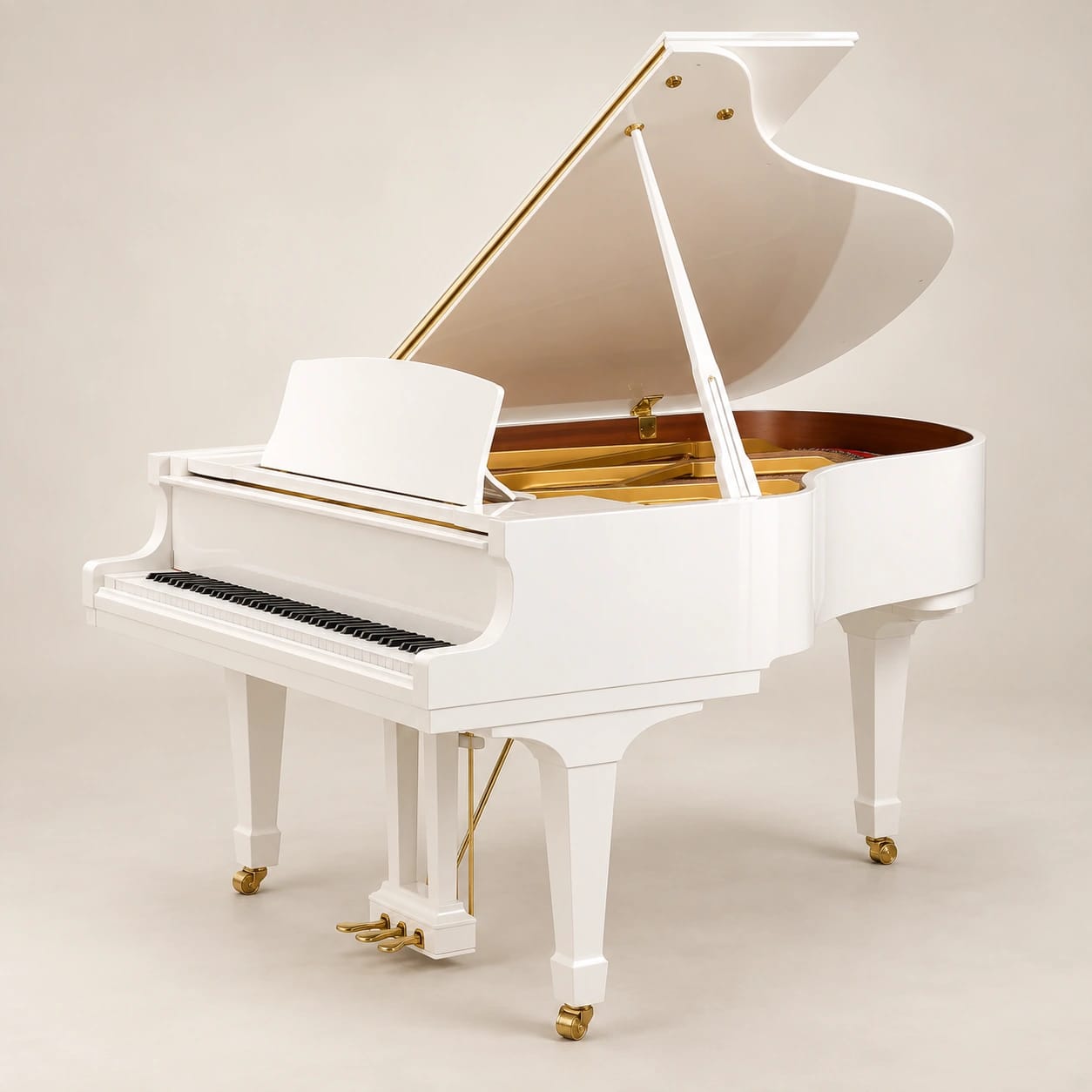
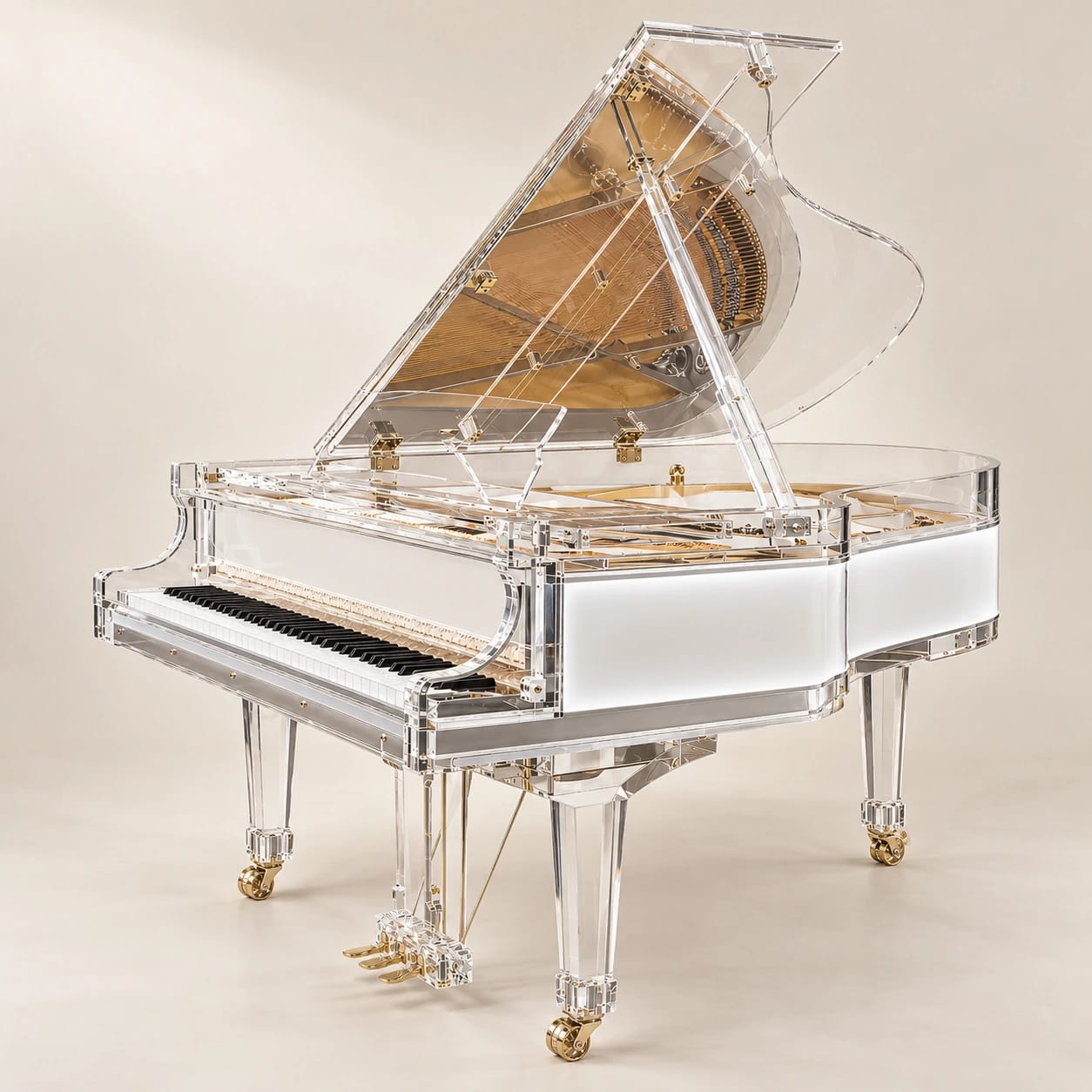
Studio visualisations. Date availability and venue arrangements are confirmed separately.
At a glance
Place the piano in the event programme
Define its event role
State the performance or visual moment the piano supports.
Approve the instrument
Check the requested model with the artist or creative lead.
Confirm room and access
Have the venue and piano team assess the proposed arrangement.
Sequence preparation
Coordinate placement, optional tuning and production activities.
Close the loop
Match the final run sheet to the booking and collection plan.
Let’s talk about your hire
Have a date or venue in mind?
Tell us the occasion, the piano and the details you know. We can help work through the rest.
The practical details
Plan your hire with confidence.
Explore the parts that matter to your plans. If you’re unsure, we can talk them through with you.
A little more about this hire
A grand piano can have several roles at a corporate event: a live performance, a welcome setting, a focal point for a launch or a visual element that remains in the room throughout the programme. The best starting point is to decide which of those roles matters for your event. That choice affects the model discussion, the people who need to approve it and the schedule around delivery.
This page helps you turn the event idea into an instrument-hire brief. It focuses on what the piano needs to do on the day and how that fits the room and programme. The pianist, sound equipment, staging and wider event production remain separate arrangements, so they need to meet the piano booking in a shared plan.
Explore the topics on this page
Give the piano a clear role in the event
Start with a sentence that explains what attendees will experience. For example, you might be planning a short live performance before the formal presentation, a piano in a reception setting, or a visual centrepiece for launch photography. These are planning examples, not descriptions of past hires. Each points to a different practical brief and makes it easier to discuss the instrument without relying on a mood-board image alone.
Read the detail about Give the piano a clear role in the event
If the role changes during the event, describe the sequence. A piano that is played during arrival and remains as a display later may stay in one position. A plan that moves it from a foyer to a stage introduces another requirement. Do not conceal that move inside the word transition. Explain where, when and why it is proposed so the handling and timing can be assessed before confirmation.
Identify the person who owns this decision. It could be the event producer, the client’s creative lead or the artist, depending on the programme. Their role is to establish the intended outcome, while the venue and piano team address their respective practical requirements. A short, agreed purpose statement prevents later changes being treated as though they were always part of the original hire.
Choose a model around both the creative and musical brief
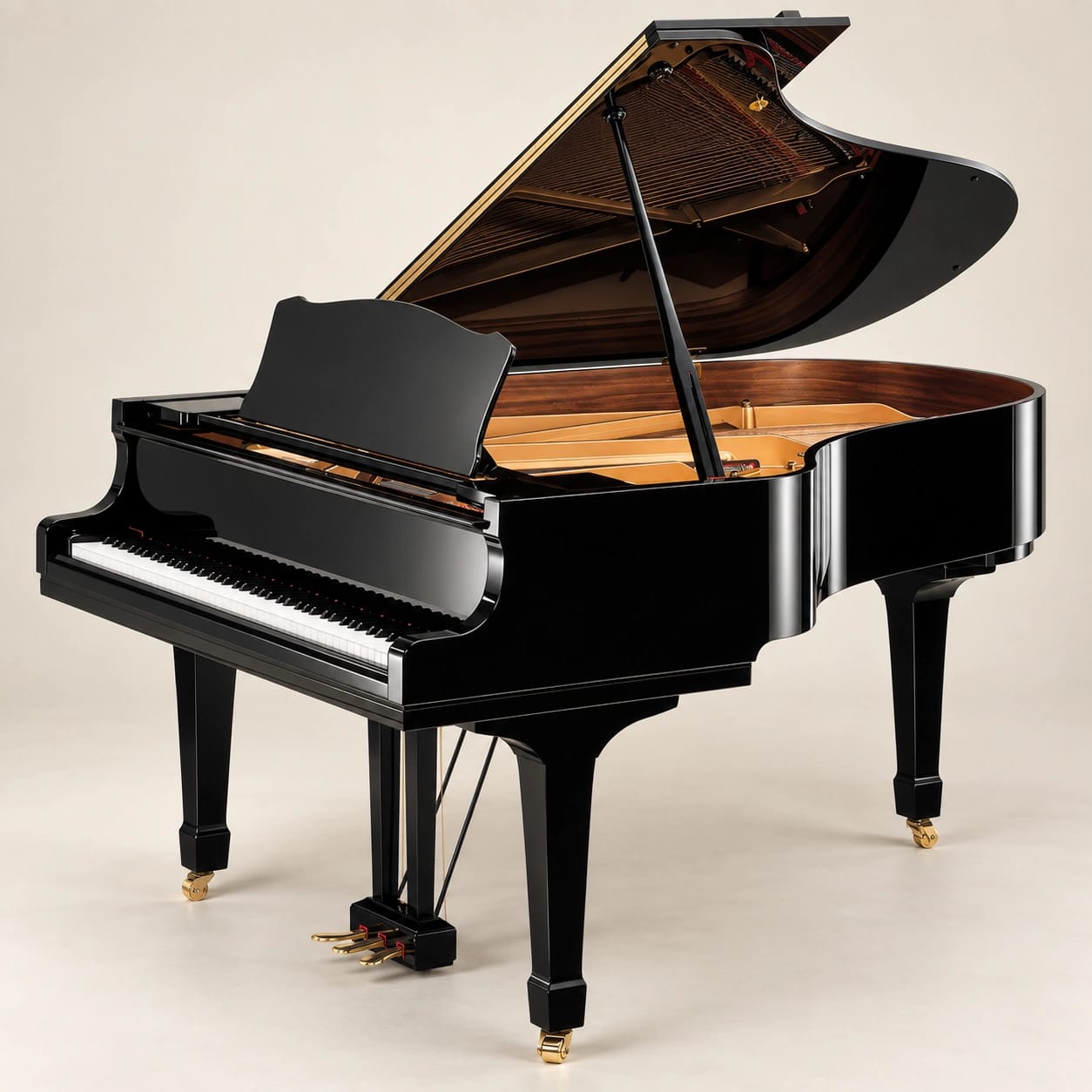
The available collection includes a white Stenberg 152, a black Yamaha C3 and a clear Teschendorf M170. Consider the instrument within the room’s visual setting, but keep the actual musical requirement alongside it. If a performer is involved, ask them to approve the requested model or identify acceptable alternatives before the booking is finalised. A finish preference alone does not settle that question.
Read the detail about Choose a model around both the creative and musical brief
For a visual presentation, look at the relationship between the piano, backdrop, stage treatment and camera positions. The clear finish, for example, should be considered as a creative choice rather than a promise that every sightline or lighting issue will disappear. Photographs of an instrument help with discussion, but they do not establish the outcome in your venue or replace an agreed placement plan.
Record the preferred choice and the reason it matters. If the client would accept another model, state that flexibility clearly. If a specific model is essential, say so early and check availability through the booking process. Avoid circulating an unconfirmed model in final production documents as though it has already been reserved. The event brief and the actual booking should ultimately identify the same instrument.
Position the piano within the room programme
A piano’s position needs to work for the people using the room as well as for the visual design. Consider the performer’s location, the audience’s view, the presentation area and the places where guests will gather. The venue should assess the proposed layout within its own requirements. This guide cannot approve a floor plan, stage load, exit route or transport clearance.
Read the detail about Position the piano within the room programme
Share the intended placement before other suppliers finish building around it. A set wall, exhibition stand or seating arrangement installed later can change the access route even if the piano position looks unchanged on the drawing. Ask the venue and production team to identify the point at which the room will be ready for specialist placement, and keep that point visible in the setup schedule.
If the piano is on a stage, have the appropriate venue or staging representative confirm the relevant requirements directly. Do not infer suitability from the phrase standard stage. If several proposed positions are being considered, show them as alternatives for assessment rather than approving one yourself. Once a position is agreed, communicate changes before anyone attempts to move the instrument or rearranges the route around it.
Build the piano into the production schedule
Work backwards from the first moment the piano must be ready. That may be a rehearsal, camera check or sound check well before the doors open. Then identify when the room is available for delivery and placement, when any requested tuning could occur and when the other production activities take place. The schedule should show these as distinct activities rather than one undifferentiated setup period.
Read the detail about Build the piano into the production schedule
A delivery window should not be treated as a precise appointment unless the specific arrangement has been agreed. If venue access is only available between two other events, explain that limitation before choosing an online option. Ask what can be accommodated and record the answer. A narrow changeover may require a different plan, rather than a more optimistic interpretation of an ordinary transport window.
Keep the collection requirements equally visible. The event may end late, while the building’s loading arrangements or staffing follow a different timetable. Confirm when the room must be clear and what happens between the end of the programme and the agreed collection. A production schedule is only complete when it describes the instrument’s departure as carefully as its arrival.
Coordinate the performer and sound team separately
If the piano will be played, ask the artist or musical director for their requirements and pass the relevant information into the booking discussion. The instrument supplier, performer and sound team have different responsibilities. A piano hire enquiry should not leave any of them assuming another supplier has already arranged a musician, microphones, amplification or a stage setup.
Read the detail about Coordinate the performer and sound team separately
The sound team should plan its own equipment and venue coordination. Avoid using the instrument-hire page as evidence that the piano will provide a particular sound level or recording result in a room. Those outcomes depend on the performance and production plan. Explain whether the music is foreground entertainment, part of a presentation or a background element so the relevant specialists can advise on their own scope.
On-site tuning is an optional booking choice. Where requested, agree a practical time that respects the need for a quiet environment and the performer’s preparation. A tuning slot competing with a loud full-system rehearsal is a scheduling issue to resolve, not simply a box to tick. The final plan should identify the requested service and sequence without promising named personnel or arrangements that have not been confirmed for this event.
Prepare an access brief the venue can check
The event address is only the beginning of an access brief. Ask which entrance and loading arrangement outside suppliers are permitted to use, which room the piano is going to and whether the route involves steps, a lift or other changes of level. Identify restrictions that apply during delivery and again during collection. A venue can operate differently before guests arrive and after the programme finishes.
Read the detail about Prepare an access brief the venue can check
Use photographs and the venue’s current information to show uncertain parts of the route through the appropriate enquiry process. Do not try to calculate whether the piano will fit from a single measurement or photograph. Specialist assessment considers the whole movement and final placement. If the loading area or lift requires a reservation, clarify which party is responsible for making it and how its availability will be confirmed.
Corporate events sometimes involve several suppliers arriving within a short setup period. Ask the production lead to coordinate the sequence so the piano route is not treated as spare storage or blocked by cases and set materials. This is organisational planning, not moving advice. The specialist piano team handles the instrument; other suppliers should know when and where to leave the agreed route available.
Keep the budget tied to the agreed event scope
Review the quote against the actual programme and room plan. Confirm the model, occupied dates, transport requirements and any optional services. Current amounts come from the live booking system or the individual quote, so this page does not publish fixed hire or transport prices. A corporate purchasing process should use the current proposal rather than an estimate copied from another event.
Read the detail about Keep the budget tied to the agreed event scope
Separate the piano cost from the costs of the performer, venue, production and styling. This helps the event owner understand what is being approved and prevents a gap in the programme being mistaken for an included service. If the client asks for a different finish, an extra rehearsal period or a later collection, explain the change to the team and obtain the applicable revised arrangement.
Keep one current version of the brief with the accepted proposal. A client approval email, a run sheet and a venue plan can drift apart when each is updated independently. Name the change in plain language and make sure the people who need to act on it receive the correct information. A request is not confirmed merely because it has been added to an internal event spreadsheet.
Plan for changes without inventing a fallback promise
Corporate programmes can change as speakers, presenters and other suppliers confirm their involvement. Decide which piano decisions are firm and which remain provisional. If the artist’s set is still under discussion, say so. If the room position depends on a stage design that is not complete, record that dependency. This gives the booking team a realistic picture instead of a plan that appears more settled than it is.
Read the detail about Plan for changes without inventing a fallback promise
An alternative needs assessment too. Moving the event to another room, changing the venue or extending the hire can affect access, availability and the agreed terms. Do not label a second position as the fallback unless the relevant parties have considered it. Outdoor or unusual placements require individual assessment and should not be presented as a guaranteed backup to an indoor plan.
Choose a clear channel for updates and keep the event’s responsible coordinator informed. The coordinator can collect changes, but the venue, artist and piano team still approve matters within their own responsibilities. The practical goal is to discover conflicts while there is time to discuss them, then document the agreed resolution before the event moves into its final setup period.
Prepare the final instrument briefing
The brief builder on this page collects the event’s purpose, requested instrument, programme milestones, room plan and access questions in one place. It works in the browser and produces text you can copy. It does not send an enquiry, reserve a piano or approve the venue. Keep personal contact details and payment information out of the planning fields.
Read the detail about Prepare the final instrument briefing
Review the result with the people who own the creative and practical decisions. The performer should recognise the requested instrument and preparation plan; the venue should recognise the room and permitted movements; the event lead should recognise the programme. Where somebody cannot confirm an item yet, leave it labelled as an open question rather than removing it to make the document look finished.
Once the booking is agreed, use its confirmation as the reference for the instrument arrangements. Keep the relevant current terms available to the person responsible for the event. On the day, direct any proposed movement or material change back through the agreed coordination route. A clear final briefing allows the piano to take its intended place in the event without asking people to improvise the important details.
Want to organise your notes first?
Your enquiry
Build a corporate event piano brief
Create an instrument-specific summary for the event discussion. This tool does not book or submit anything.
Your notes stay in this page. Nothing is sent or saved automatically.
0 / 4,000 enquiry-note characters. Only answered fields and selected checks are included.
Read or select your brief
Your corporate event instrument brief

Event role: To confirm
Requested model: To confirm
Programme milestones: To confirm
Room and placement: To confirm
Venue constraints: To confirm
Preparation requests: To confirm

Planning checklist
[ ] The piano’s role is clear to the event lead.
[ ] Performer and sound arrangements are assigned separately.
[ ] The model has been discussed with the approving person.
[ ] Both delivery and collection restrictions are recorded.
[ ] Any relocation has been declared.
[ ] Requested tuning has a suitable preparation opportunity.
[ ] The final run sheet will be reconciled with the booking.

Planning notes only. Piano availability, access and arrangements need confirmation before booking.
Good to know
Your questions, answered.
Can the piano be hired just for a launch photograph?
Explain that the primary use is visual and give the actual setup, photography and collection requirements. A short period on camera may still need a wider hire window because the venue and transport schedule must work. If the piano will also be played, include that in the brief rather than treating it as an incidental addition.
Does corporate event hire include entertainment?
The instrument hire does not itself include a pianist, band, sound system or staging package. Arrange those services separately where needed and coordinate their requirements with the piano plan. A performer should approve the requested instrument, while the relevant production supplier addresses their own equipment and technical setup.
Can we change the piano position during the function?
Raise any proposed relocation before booking, including a move within the same room. It needs an agreed handling and timing arrangement. Do not assume venue staff, guests or production crew can move the piano because it has already been delivered. Ask the team to assess the complete intended sequence.
What should we do if the final run sheet changes?
Identify the specific change and contact the team before relying on it. A different rehearsal time, room, use or collection deadline can affect the agreed arrangement. Update the shared brief only once the relevant parties have confirmed the revised plan, and retain the current booking confirmation for reference.
Let’s talk about your hire
Tell us what you’re imagining.
Tell us the occasion, the piano and the details you know. We can help work through the rest.