For real estate agents
Piano hire for real estate agents: a campaign coordination guide
Coordinate a grand piano around your property campaign. Bring the vendor, stylist and photography dates into one brief, then talk with us about the instrument, placement and proposed hire period.
Black, white and clear grand pianos. We confirm availability and arrangements for each booking.
At a glance
What matters for your hire.
Obtain the vendor’s decision on the proposal, identify who can authorise the property arrangement, align the piano period with photography and campaign dates, and give the stylist and supplier one current brief. Keep access details private, plan collection before the end and request any extension explicitly.
The collection
Find your grand piano.
Explore the instrument as well as its finish. We can talk through the right option for your plans and dates.

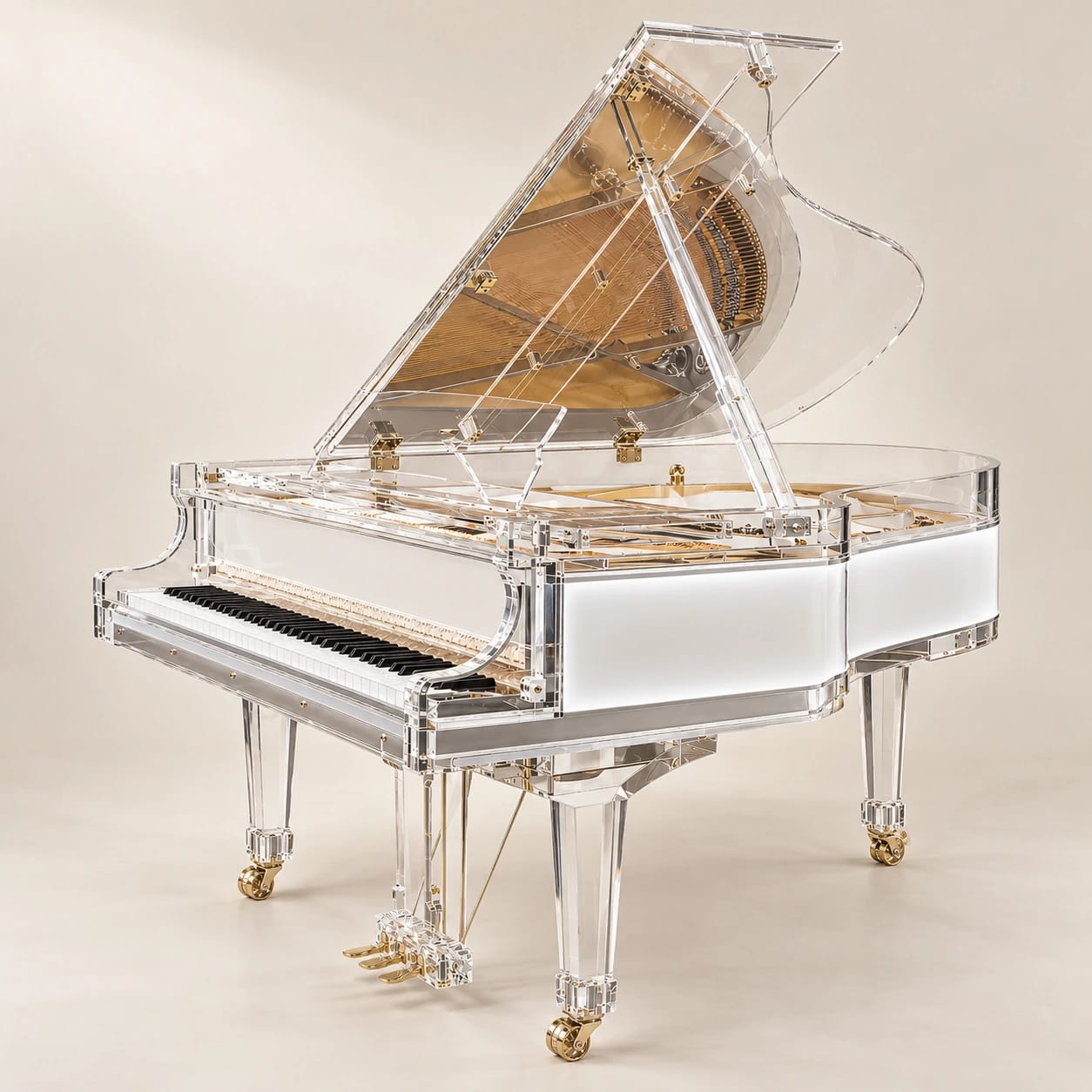
Studio visualisations. Date availability and venue arrangements are confirmed separately.
At a glance
Connect the campaign decision to the supplier booking
Define the campaign purpose
Explain photographs, inspections and any later use.
Record the client decision
Identify the approved proposal and contracting roles.
Coordinate the first use
Align styling, access and photography requirements.
Manage the display period
Keep responsibilities and extension questions visible.
Confirm collection
Check the current property handover and agreed route.
Let’s talk about your hire
Have a date or venue in mind?
Tell us the occasion, the piano and the details you know. We can help work through the rest.
The practical details
Plan your hire with confidence.
Explore the parts that matter to your plans. If you’re unsure, we can talk them through with you.
A little more about this hire
For a real estate agent, adding a grand piano to a property campaign is partly a styling decision and partly a coordination task. The agent may connect the vendor, stylist, photographer and supplier without being the person who controls every installation detail. A clear approval and date record prevents those separate conversations from becoming conflicting instructions.
This guide focuses on that agency workflow. It does not promise a sale-price uplift, shorter selling period or more enquiries. The value of a proposed display belongs in the campaign discussion with the client; the piano booking needs its own defined instrument, use, period, location and responsibilities.
Use the guide whether the piano is being considered for campaign photography, a display period or a launch associated with the property. Explain every intended use, especially if it changes after the initial photographs. The current booking and accepted terms, rather than the campaign’s internal assumptions, establish the hire arrangement.
Explore the topics on this page
Define the piano’s role in the campaign
Begin with the campaign purpose rather than a general instruction to add a luxury feature. Is the piano intended to anchor a room in the photographs, remain during inspections or support a particular launch? Write that purpose clearly. It gives the vendor and stylist something specific to approve and helps the supplier understand the intended use.
Read the detail about Define the piano’s role in the campaign
Separate the visual intention from a claim about results. A piano may be part of the chosen presentation, but this guide does not establish that it changes buyer behaviour or the property’s value. Keep any campaign assessment grounded in the agency’s own evidence and the client’s objectives rather than presenting instrument hire as a guaranteed commercial outcome.
If the piano will be played, include that in the proposal. A campaign display with a later performance is different from photography only. The distinction can affect preparation, timing and the people who need information. Do not let an early styling description continue to govern the booking after the intended use has changed.
Obtain a clear client decision before confirming the hire
Identify who is making the decision and who is entering the hire arrangement. The agent, vendor and stylist may have different roles, and those roles should not be inferred from who first contacted the supplier. Ask for the relevant agreement to be clear before anyone treats an enquiry as a confirmed instruction.
Read the detail about Obtain a clear client decision before confirming the hire
Give the client a concise proposal: the intended use, preferred model, proposed period, location and current quote information. Mark any unresolved details such as access assessment or campaign end date. This lets the client decide on a defined proposal rather than a visual idea that later develops additional requirements.
Keep the decision record with the campaign file. If the supplier’s confirmed scope differs from the initial idea, explain the difference before relying on the earlier approval. This guide does not prescribe an agency contract or replace professional obligations. Its practical aim is to prevent a preference expressed in a styling conversation from becoming an unauthorised or misunderstood supplier instruction.
Align the installation with photography and launch dates
Work backwards from the first use. Photography may happen before the listing goes live, and the room may need other styling completed before the final images are taken. Identify when the piano must be ready, which dates are fixed and which remain provisional. Share those distinctions rather than giving every milestone the same apparent certainty.
Read the detail about Align the installation with photography and launch dates
Discuss the installation sequence with the stylist and the person controlling access. Other furniture and equipment may affect the route or final position. The supplier needs the actual expected setup, not only an empty-room plan. Coordinate the sequence without attempting to decide the piano’s moving method or promising a delivery appointment before it is confirmed.
If photography moves, check the consequences for the hire period rather than simply updating the agency calendar. A changed first use can affect arrival, collection or the requested duration. Keep one current brief and ask the business about material changes. Do not assume a supplier receives the revision because another campaign participant has been told.
Keep instrument selection distinct from campaign styling
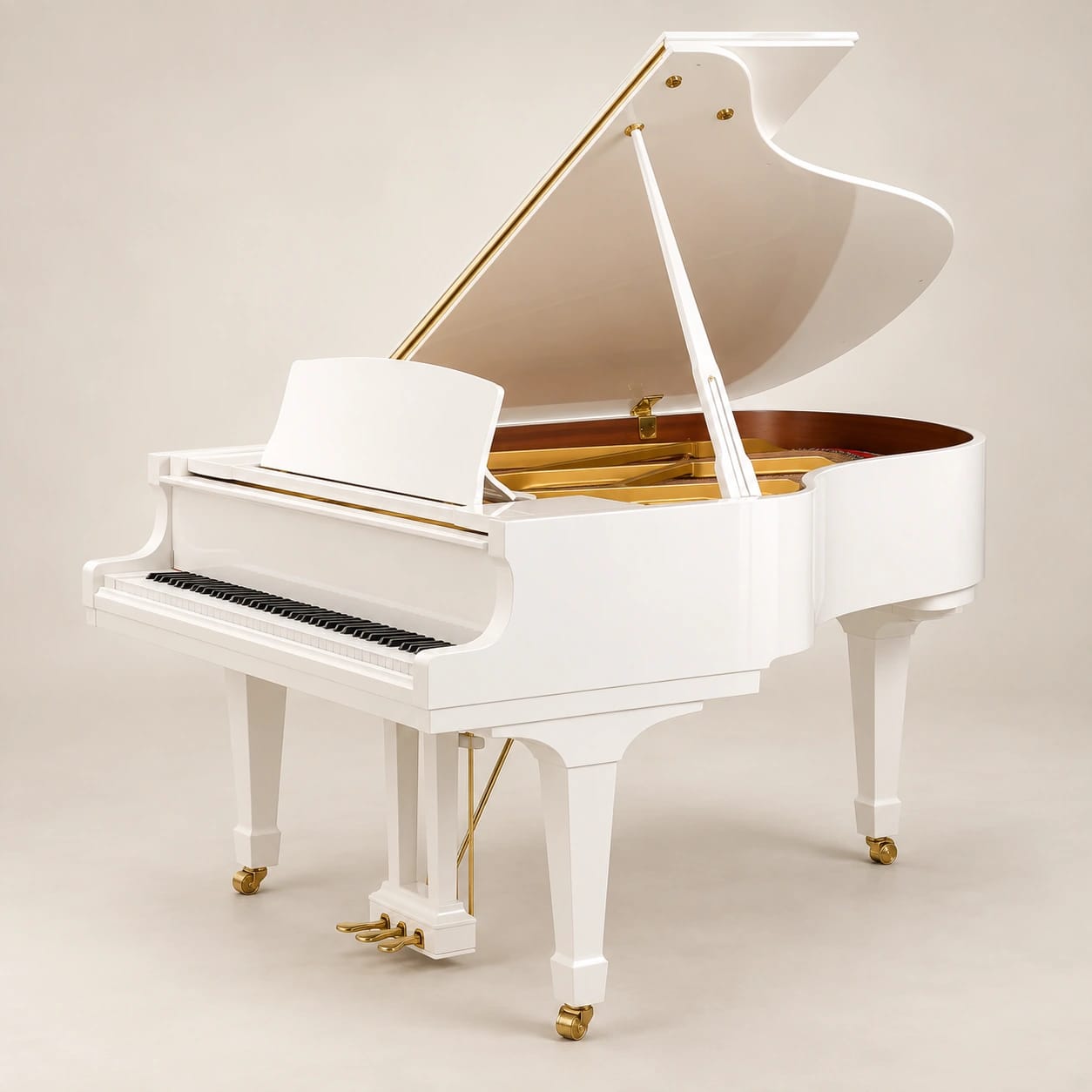
The current options are the white Stenberg 152, black Yamaha C3 and clear Teschendorf M170. Ask the stylist to explain how the proposed model relates to the room and photography brief. Use the actual model name so the client understands what is being considered rather than approving an unspecified piano in a mood board.
Read the detail about Keep instrument selection distinct from campaign styling
Consider whether the preferred position works for the intended campaign activities. Photography, inspections and any playing may place different demands on the layout. A strong image composition is not itself a route assessment or permission to occupy part of the room. Those practical questions still need the relevant property and supplier confirmation.
If the selected model is essential to the visual proposal, state that in the enquiry before the wider campaign relies on it. If alternatives are acceptable, record what may change and who would approve the substitution. A preferred finish does not reserve an instrument, and an approved styling idea does not guarantee availability on the proposed dates.
Prepare a property access brief without circulating sensitive details
The supplier needs enough information to assess the route and position. The campaign team needs a clear process for obtaining that information. Ask the authorised property representative or stylist for a current plan and route photographs, noting doors, turns, changes of level and any lift or stage requirement relevant to the actual proposal.
Read the detail about Prepare a property access brief without circulating sensitive details
Keep private address details, access codes and personal contacts in the appropriate direct correspondence. A general campaign checklist can identify roles and outstanding questions without reproducing sensitive property information. Avoid forwarding a collection of old messages when a concise current access brief would be clearer and easier to control.
Make sure the information describes the property at the time of installation. An occupied home, a cleared property and a styled room can present different conditions. If the plan changes, tell the business before relying on the previous assessment. Do not describe access as confirmed solely because other furniture has been delivered successfully.
Decide what happens during inspections and campaign activity
If the piano remains for inspections, clarify the intended use and the role responsible for the space. The fact that an instrument is displayed does not establish permission for visitors to play it, move it or alter the setup. Ask the business and property representative about the relevant responsibilities rather than leaving them to each inspection host’s interpretation.
Read the detail about Decide what happens during inspections and campaign activity
Give the agency team a short note about the agreed arrangement. It should identify the planned position, the intended display use and how a question or concern is reported. Keep it consistent with the accepted hire terms. The purpose is to support the arrangement, not to create new rules on the supplier’s behalf.
If a campaign event is added later, describe it as a change request. A launch with live music, an additional shoot or a revised room configuration may affect more than the date. Explain the full proposal and wait for confirmation instead of assuming the original display booking covers every subsequent campaign activity.
Plan for an uncertain campaign end without assuming renewal
Campaigns can have a planned period and an uncertain outcome. Keep those facts separate. Give the business a proposed hire finish and explain the possibility of an extension if relevant. A marketing plan that continues until a property decision is made should not be treated as an open-ended instrument reservation.
Read the detail about Plan for an uncertain campaign end without assuming renewal
Set an agency reminder to review the end date before the original collection arrangement becomes urgent. Identify who can approve an extension request and who will contact the supplier. The published FAQs state that hire-time changes are reviewed case by case; current availability and the revised arrangement must be confirmed.
If the property status changes sooner than expected, ask about the desired collection rather than assuming a particular refund or early-end entitlement. The current terms and accepted booking apply. Communicate the requested change clearly, and keep the existing arrangement as the working plan until a revision is accepted.
Coordinate the stylist, photographer and agency from one record
A useful campaign record has a small number of confirmed fields: instrument, position, intended use, first readiness, hire period and collection arrangement. Each participant can add the information they own, but one person should consolidate the current version. This avoids the photographer following an old floor plan while the stylist prepares a different setup.
Read the detail about Coordinate the stylist, photographer and agency from one record
Record decisions in plain language. If a location is preferred but not assessed, say so. If a quote is current but access remains unresolved, show that condition. If the client has approved an idea subject to another answer, keep the dependency visible. These distinctions make the record more useful than a simple column of ticks.
When circulating an update, identify what changed and who needs to act. A revised photography date may matter to several suppliers, while a question about the piano position may need only the stylist and property representative first. Focused communication reduces the chance that a relevant change disappears inside a large email thread.
For a campaign involving several decision makers, add a short approval trail beside the current brief. Record which role agreed the visual proposal, which role confirmed property access and which supplier response establishes the hire arrangement. Keep the underlying correspondence in the appropriate private file. This makes it easier to answer a later question without treating the most recent forwarded message as the whole agreement. It also shows where a change needs to return: a new photography time may require supplier confirmation, while a different model may require the client to revisit the styling decision. The agent can coordinate those questions without answering them on another party’s behalf.
Review the quote as a complete campaign arrangement
Check that the current quote reflects the proposed model, dates, property, access and intended use. Keep optional services visible and ask about any unclear inclusion. Do not reuse a total from another listing or assume the same arrangement applies to a similar-looking property. The actual booking details are the relevant basis.
Read the detail about Review the quote as a complete campaign arrangement
Separate the piano arrangement from styling, photography and agency services. The client may view the presentation as one campaign, but each supplier’s scope still needs to be understood. Confirm who is responsible for the relevant instructions and payments through the appropriate agreements rather than inferring responsibility from the order in which suppliers were contacted.
For a period beyond thirty nights or another special request, obtain an individual quote. Do not assume a standing monthly package or automatic extension. Keep the current accepted terms with the campaign file so any later request can be considered against the actual agreement rather than a remembered conversation.
Close the booking cleanly at the end of the campaign
Before collection, check the property’s current access and occupancy arrangements. A handover to another representative, a revised inspection schedule or removal of other styling items can change the context. Make sure the authorised person has the confirmed collection information and can communicate any relevant change.
Read the detail about Close the booking cleanly at the end of the campaign
Coordinate the collection sequence with the stylist and other suppliers. Keep the agreed route available under the confirmed plan without asking agency staff or occupants to move the piano. If the position or route has changed, notify the business so the revised situation can be assessed before the visit.
Retain a factual record of what was agreed and any useful planning lessons. You can reuse the briefing process for another listing, but not the old answers without checking them. A new property, model or date needs its own enquiry. That is how a repeatable agency workflow supports a consistent client experience without turning one completed hire into a blanket promise.
Want to organise your notes first?
Your enquiry
Build an agency piano coordination brief
Create a role-based campaign outline without private addresses, access codes or personal details.
Your notes stay in this page. Nothing is sent or saved automatically.
0 / 4,000 enquiry-note characters. Only answered fields and selected checks are included.
Read or select your brief
Real estate campaign piano coordination brief

Campaign purpose: To confirm
Client decision status: To confirm
First readiness milestone: To confirm
Proposed period: To confirm
Coordination roles: To confirm
Collection or extension decision: To confirm

Planning checklist
[ ] Record the purpose without promising a sale outcome.
[ ] Clarify who authorises and contracts for the hire.
[ ] Use the actual current model name.
[ ] Align the first use with styling and photography.
[ ] Keep sensitive access information private.
[ ] Describe all intended campaign uses.
[ ] Review the end date before an extension becomes urgent.
[ ] Confirm collection against current property conditions.

Planning notes only. Piano availability, access and arrangements need confirmation before booking.
Good to know
Your questions, answered.
Can an agent arrange a piano on a vendor’s behalf?
Clarify who is authorising the proposal and who is entering the hire arrangement. The agent can coordinate the enquiry, but roles should be explicit in the relevant agreements. Do not treat a styling preference or informal conversation as a confirmed supplier instruction.
Will a piano improve the property’s sale result?
This guide makes no claim about price, selling time or enquiry volume. A piano can be considered as part of the presentation brief, with the decision based on the client’s objectives and the agency’s own evidence. The hire arrangement should be evaluated on its actual scope and commitment.
Can the hire continue if the campaign is extended?
An extension can be requested, but it needs confirmation. Identify the revised dates and whether the intended use or location changes. Do not assume ongoing availability or automatic renewal because the campaign continues beyond the original period.
Can the piano be used for both photographs and inspections?
Describe both intended uses and the complete period in the enquiry. Clarify the responsibilities while it remains in the property and ask about any later changes. A photography-only brief should not be assumed to cover an extended display without agreement.
Should the agency share property access codes in the planning tool?
No. Keep private addresses, access codes and contact details in the appropriate direct correspondence. The tool can organise roles, dates and questions without collecting sensitive property information. Review any copied brief before sharing it with campaign participants.
Let’s talk about your hire
Tell us what you’re imagining.
Tell us the occasion, the piano and the details you know. We can help work through the rest.