For property stylists
Piano hire for property stylists: design, installation and collection
Find a grand piano to consider within your styling concept. Share the intended room, visual direction and installation schedule so we can discuss the instrument and practical arrangements with you.
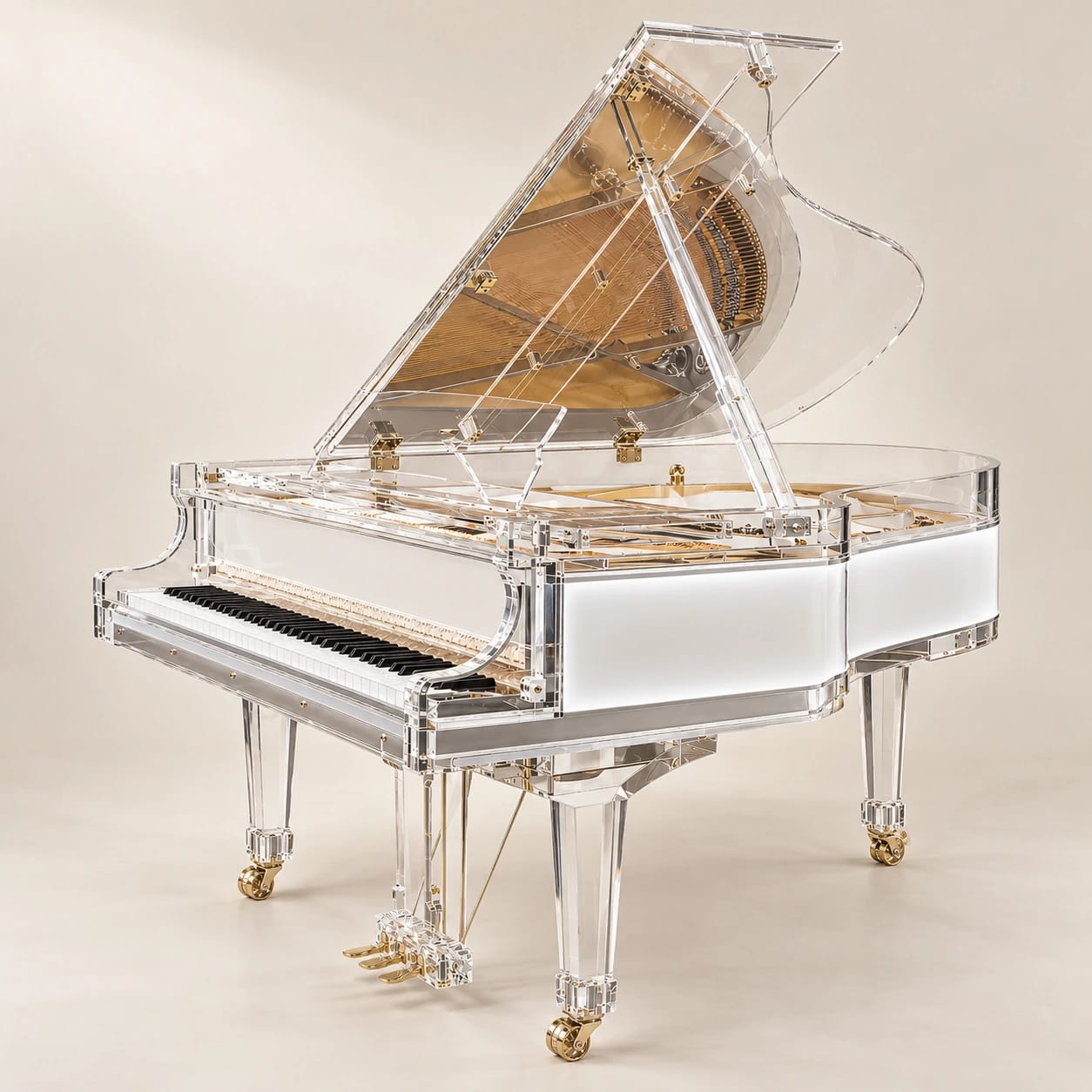
Black, white and clear grand pianos. We confirm availability and arrangements for each booking.
At a glance
What matters for your hire.
Choose the piano from a defined visual and use brief, document the intended position with the real furniture layout, coordinate the installation sequence and obtain the relevant approvals. Keep photography and collection dates visible. A styling plan does not authorise relocation, guarantee fit or reserve the selected instrument.
The collection
Find your grand piano.
Explore the instrument as well as its finish. We can talk through the right option for your plans and dates.
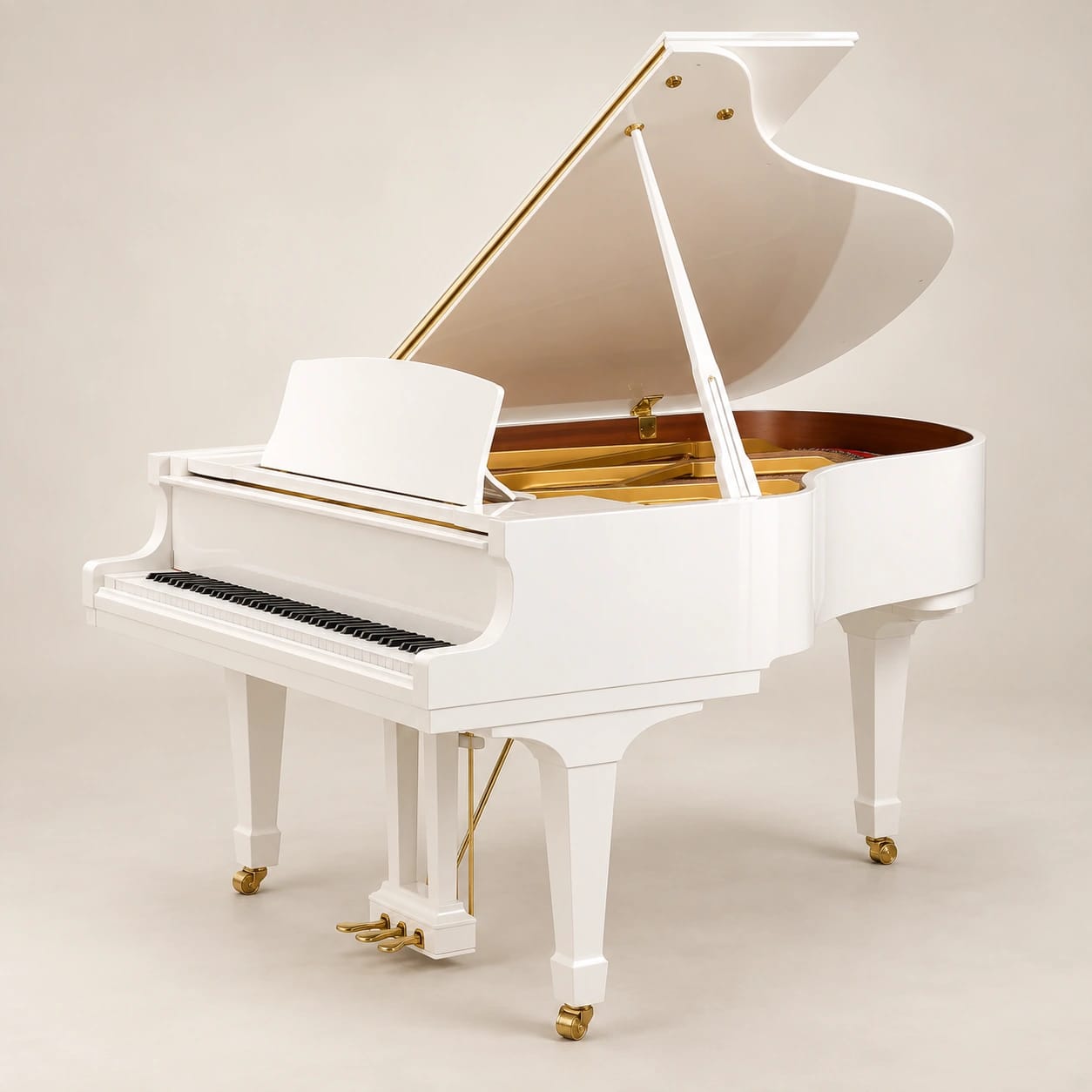
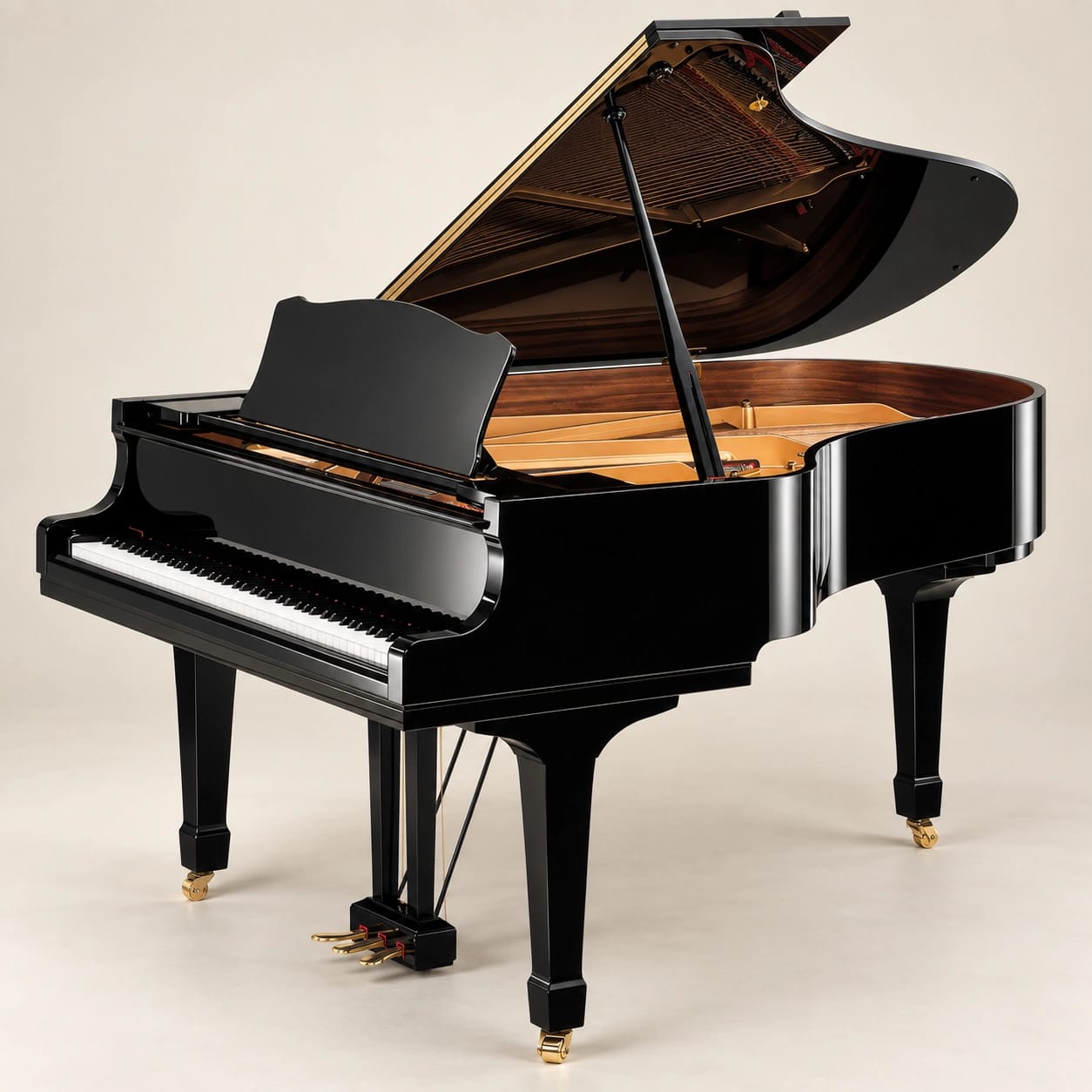
Studio visualisations. Date availability and venue arrangements are confirmed separately.
At a glance
Move from visual idea to a coordinated installation
State the composition goal
Explain how the piano relates to the actual room.
Select the model proposal
Separate visual preference, intended use and availability.
Resolve position and route
Use the real furniture plan and specialist assessment.
Align installation and photography
Keep dates and camera requirements consistent.
Plan the continuing display and pack-down
Hand over responsibilities and agree collection.
Let’s talk about your hire
Have a date or venue in mind?
Tell us the occasion, the piano and the details you know. We can help work through the rest.
The practical details
Plan your hire with confidence.
Explore the parts that matter to your plans. If you’re unsure, we can talk them through with you.
A little more about this hire
For a property stylist, a grand piano is both a visual decision and a specialist installation to coordinate. It can establish a focal point in the composition, but it should be planned with the room and delivery route rather than treated as another item that can be shifted freely until the photograph looks right.
This guide follows the stylist’s work: interpreting the brief, comparing the current instruments, agreeing the position, sequencing installation and maintaining a clear plan through photography and collection. It is separate from the agent’s campaign-management role and the vendor’s decision to approve the proposed hire.
The guidance does not promise a property result or describe fictional styling projects as past work. Use it to develop an original, practical proposal for the actual room. Current availability, access, timing and the accepted hire terms remain part of the booking-specific assessment.
Explore the topics on this page
Write the design intention in terms of the room
Begin with the relationship you want the piano to create. It might be the main focus of a formal living room, part of a broader entertaining setting or an element in a photography composition. Explain that intention in a short sentence before choosing a model. This gives the client and other suppliers a practical reason for the proposal.
Read the detail about Write the design intention in terms of the room
Avoid substituting a broad promise such as making a property more valuable. The piano is one presentation choice within the project, and this guide does not establish a sales outcome. Focus on what can be discussed and reviewed: the visual arrangement, intended use, period and compatibility with the client’s brief.
If the instrument will be played during any campaign activity, include that use from the beginning. A purely visual styling brief should not conceal a later performance or public interaction. The distinction matters when discussing preparation and responsibilities, even when the proposed finish and position remain the same.
Compare the actual models rather than a generic silhouette
The current collection consists of the white Stenberg 152, black Yamaha C3 and clear Teschendorf M170. Use the product pages to compare the actual instruments and name the model in the design proposal. A mood-board image of another grand piano may communicate an idea, but it does not establish what will be supplied.
Read the detail about Compare the actual models rather than a generic silhouette
Think about the instrument’s relationship to the surrounding materials, light and furniture. Explain which aspects are essential to the brief and which could change if an alternative is discussed. This gives the client a clear decision rather than an unspecified preference for a piano that looks expensive or fills an empty corner.
Keep visual selection separate from physical assessment and availability. A model that suits the composition still needs the proposed room and route considered. If the project depends on a specific finish, state that early. Do not assume an identical replacement is available or that a different instrument can be substituted without revisiting the design and approval.
Prepare alternatives as complete design choices rather than a list of colours. Explain what would change in the composition, which references still apply and whether the client would need to approve the revised proposal. If the preferred model cannot be confirmed, this gives the discussion a useful starting point without pretending an alternative has already been accepted. Keep the actual room plan attached to each option so practical questions remain visible alongside appearance. A substitution can affect the visual balance and the assessment, so it should not be treated as a purely administrative change made after the rest of the project is fixed. The final brief should name the instrument that has actually been agreed, with superseded options clearly removed from installation instructions. This keeps the stylist’s design intent connected to the real booking instead of leaving a mismatch between the mood board and the instrument expected on site.
Use reference images honestly and precisely
Label the purpose of each reference. An image might show the desired room mood, the proposed piano finish or a camera angle to explore. It should not imply that the instrument has previously been supplied to the property or that a generated interior is evidence of a real installation.
Read the detail about Use reference images honestly and precisely
Where a reference contains furniture or architecture that differs from the actual room, explain the relevant idea instead of copying the whole scene. The most useful instruction may be about the relationship between the piano and a window or seating group, not a literal recreation of every object in the image.
Keep a current room photograph or plan beside the references so the proposal remains grounded in the site. If the client approves the visual direction, record what that approval covers and what still needs assessment. Approval of an image is not automatically approval of a hire quote, a delivery route or an unconfirmed timing arrangement.
Draw the final composition with the real installation
Prepare a plan that includes the piano position and the furniture expected to be present. Identify the main viewing and photography directions, the intended activity around the instrument and any fixed features that affect the arrangement. Mark approximate information clearly rather than giving an unmeasured sketch the appearance of a technical drawing.
Read the detail about Draw the final composition with the real installation
Show alternative positions as separate options. Explain why one is preferred and what an alternative would change in the composition. This supports a useful discussion if the initial idea raises access or venue questions. Do not plan to resolve every uncertainty by moving the instrument around after delivery.
Ask the responsible property representative and supplier what information is needed for assessment. The stylist’s role is to communicate the design and site conditions, not to certify doorway clearance, lift capacity or floor loading. A plan can be visually convincing while still needing specialist confirmation of the physical arrangement.
Coordinate the piano with the furniture installation sequence
Discuss the order in which the room will be prepared with the people responsible for each part of the installation. Other furniture, rugs, temporary displays or equipment may affect the route and final position. Explain the expected conditions to the piano business so the assessment reflects the actual installation rather than an empty property.
Read the detail about Coordinate the piano with the furniture installation sequence
Identify which decisions must be settled before the piano arrives. The intended room, position and relevant access information should not depend on a styling choice that will only be made during the final hour of setup. If a detail remains unresolved, make that explicit and ask how it affects the proposed arrangement.
Do not give handling instructions to the installation team or assume ordinary furniture movers can relocate the instrument. The appropriate specialists determine the method and conditions. Your useful coordination task is to keep the current plan consistent, make dependencies visible and ensure the right information reaches the people assessing the piano arrangement.
Align the first installation with the photography brief
Confirm when the piano must be ready for photography and whether the room will be fully styled by that point. Share the relevant milestones with the photographer and the person arranging the hire. The photography date is often earlier than the public campaign start, so it should be visible in the proposed hire period.
Read the detail about Align the first installation with the photography brief
Discuss the intended camera views before final placement. If the photographer expects several substantially different compositions, identify whether those can be achieved around one agreed position. Do not assume a request for different photographs permits the instrument to be moved between shots. Any proposed position change needs to be described and assessed beforehand.
If the shoot moves, revisit the hire arrangement promptly. A revised call sheet can affect delivery, collection or the duration requested. Keep one current version of the dates and distinguish confirmed appointments from preferences. Telling the photographer about a change does not mean the piano business has received or accepted it.
Keep client, agent and supplier approvals distinguishable
A styling project can involve approval of the creative proposal, approval of expenditure and acceptance of the actual hire arrangement. Identify who owns each decision. They may be the same person, but that should be explicit rather than inferred from who first chose the finish or forwarded an image.
Read the detail about Keep client, agent and supplier approvals distinguishable
Use a concise approval record showing the proposed model, location, intended use, period and outstanding conditions. If the confirmed quote or assessment changes the original design, return the changed detail to the relevant decision maker. A client’s enthusiasm for a visual idea should not be treated as acceptance of every later practical arrangement.
Keep private address and contact details in the appropriate correspondence. The planning tool can capture roles, milestones and questions without becoming another store of sensitive property information. Review the copied brief before circulating it so each participant receives the information needed for their part of the project.
Manage the display after the installation team leaves
Decide who maintains the current information once styling is complete. The agent or property representative may supervise inspections while the stylist moves to another project. Give that role a clear note about the agreed piano position, intended use and route for requesting changes or reporting a concern.
Read the detail about Manage the display after the installation team leaves
Do not assume a display arrangement permits visitors or staff to play or move the instrument. Ask the business about the applicable responsibilities and keep them consistent with the hire terms. If an additional event, shoot or use is proposed, describe it as a change request rather than treating the piano as an unrestricted campaign asset.
Where the display continues for a longer period, identify how the campaign end will be reviewed. Hires beyond thirty nights or special arrangements are individually quoted. Extensions require confirmation, and the published FAQs describe hire-time changes as case-by-case matters. A longer campaign does not automatically extend the instrument booking.
Sequence collection with the styling pack-down
Plan the end of the installation as carefully as its beginning. Other furniture may be collected before or after the piano, and that sequence can affect the route and room conditions. Coordinate the plan with the business and the other suppliers rather than assuming the reverse of installation will always be appropriate.
Read the detail about Sequence collection with the styling pack-down
Identify the person who can provide access and the role responsible for keeping the agreed arrangement clear. The stylist may not be at the property when collection takes place, so the plan needs to survive a handover. Keep the latest confirmed dates and location details easy for that person to find.
If the property’s occupancy or room setup changes before collection, notify the business. Do not ask the agency, occupants or furniture team to move the piano to make another supplier’s task easier. A revised position or route may need assessment. The accepted hire terms continue to matter while the instrument remains on site.
Build a repeatable brief without reusing old assumptions
For repeat projects, keep the structure of the brief and refresh its answers. A good template includes design intention, model preference, actual room plan, access evidence, photography readiness and collection. It should help you identify what is different about the next property rather than encouraging you to copy the previous arrangement unchanged.
Read the detail about Build a repeatable brief without reusing old assumptions
Keep a factual record of which information helped the assessment and which decisions took longer than expected. That can improve your next enquiry without inventing a standing supplier arrangement, guaranteed model availability or automatic repeat-hire discount. Ask about the actual future proposal and retain the current response.
The aim is a design process that can accommodate a specialist instrument thoughtfully. Clear references, a resolved position and coordinated dates make the proposal easier to understand for the client and the supplier. The piano can then be considered as an intentional part of the room, with its practical requirements visible from the beginning rather than added at the end.
Want to organise your notes first?
Your enquiry
Build a stylist’s piano installation brief
Capture the design and sequence without private property or personal details. This does not approve access or reserve an instrument.
Your notes stay in this page. Nothing is sent or saved automatically.
0 / 4,000 enquiry-note characters. Only answered fields and selected checks are included.
Read or select your brief
Property stylist piano installation brief

Design intention: To confirm
Model proposal: To confirm
Position and reference status: To confirm
Installation sequence: To confirm
Photography readiness: To confirm
Display and pack-down: To confirm

Planning checklist
[ ] Explain the visual intention without promising a sales result.
[ ] Use the actual current model name.
[ ] Label visualisations and references accurately.
[ ] Show the room with its real furniture plan.
[ ] Resolve placement before installation.
[ ] Coordinate the photography date with the hire period.
[ ] Keep client and supplier approvals distinct.
[ ] Plan collection alongside other styling suppliers.

Planning notes only. Piano availability, access and arrangements need confirmation before booking.
Good to know
Your questions, answered.
Can a stylist choose the piano before the client approves the hire?
A stylist can develop a proposal, but clarify who authorises the design, expenditure and actual hire agreement. Keep the model, period and unresolved conditions visible. A preferred image or finish is not itself a confirmed booking or approval of every later arrangement.
Can we move the piano while adjusting the final composition?
Do not assume that relocation is an ordinary styling task. Agree the proposed position before delivery and raise any possible change for assessment. The appropriate arrangements need confirmation; furniture installers, agency staff or occupants should not improvise a move.
Can the photographer request another position on shoot day?
Treat that as a change request rather than automatic permission. Discuss anticipated views and compositions while planning the placement. If a different position is essential, explain it to the business before the booking so the route and arrangements can be assessed.
Can the piano stay if the property campaign is extended?
Request and confirm an extension rather than assuming it follows the campaign. Identify revised dates and any changed use or location. Availability and the current terms still matter, and a longer or special hire may require an individual quote.
Are the website’s interior images examples of real styling jobs?
Images identified as visualisations should be treated as visual references, not proof of a previous installation or client relationship. Use them to explain a design idea while grounding the actual proposal in current photographs and information about the property being styled.
Let’s talk about your hire
Tell us what you’re imagining.
Tell us the occasion, the piano and the details you know. We can help work through the rest.