For studios and producers
Piano hire for recording studios and producers
Coordinate a grand piano for the session you are producing. Send the player’s requirements, studio information and dates so we can discuss the instrument, optional tuning and hire sequence.
Black, white and clear grand pianos. We confirm availability and arrangements for each booking.
At a glance
What matters for your hire.
Agree the musical brief with the player and engineer before enquiring about a named grand piano. Give the studio address, session and preparation dates, access information, proposed position and collection requirements. Ask about optional on-site tuning and confirm how it fits around the recording schedule. Piano Hire Australia supplies the instrument described in the accepted booking; microphones, engineering, room suitability and the creative result need their own decisions and should not be assumed to be included.
The collection
Find your grand piano.
Explore the instrument as well as its finish. We can talk through the right option for your plans and dates.
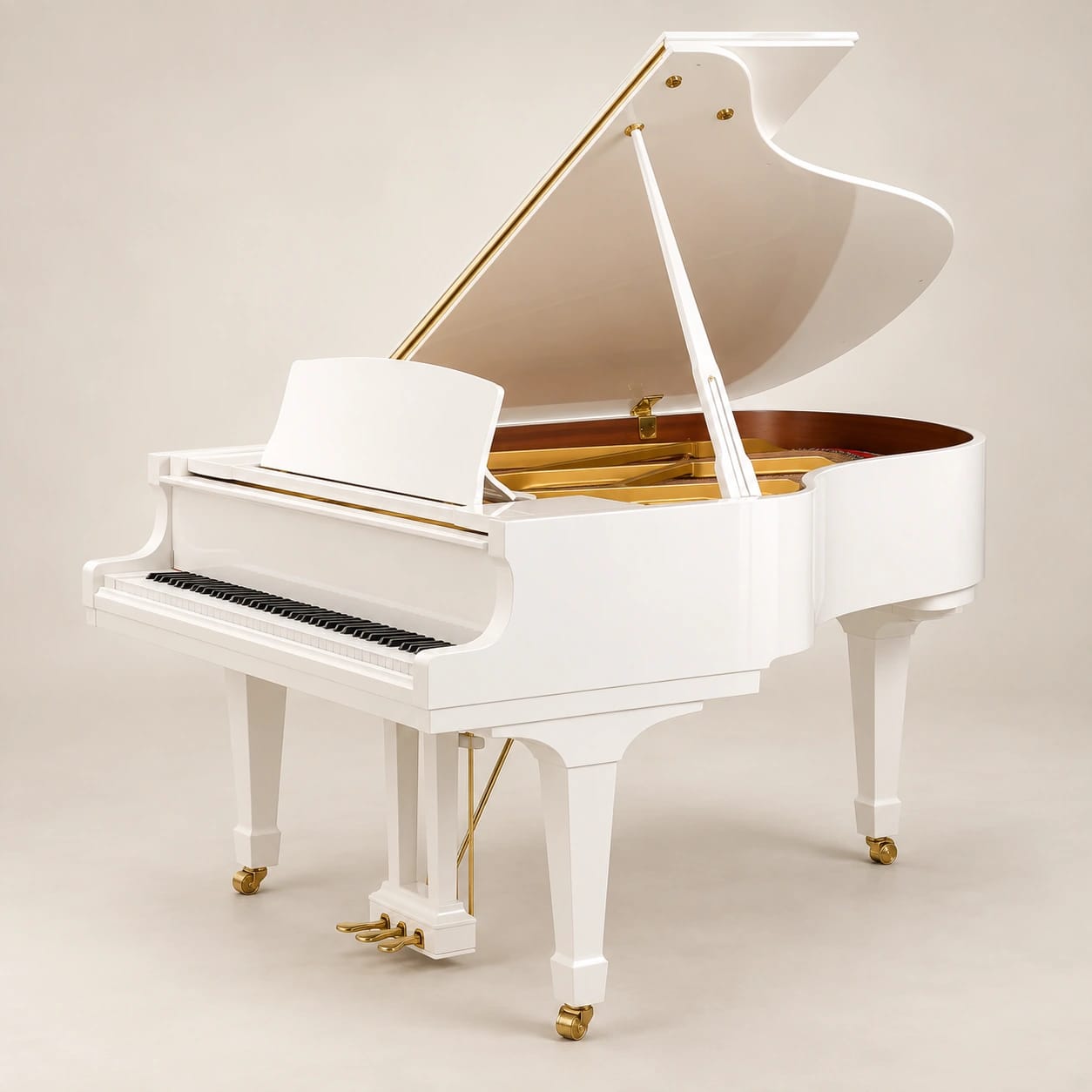
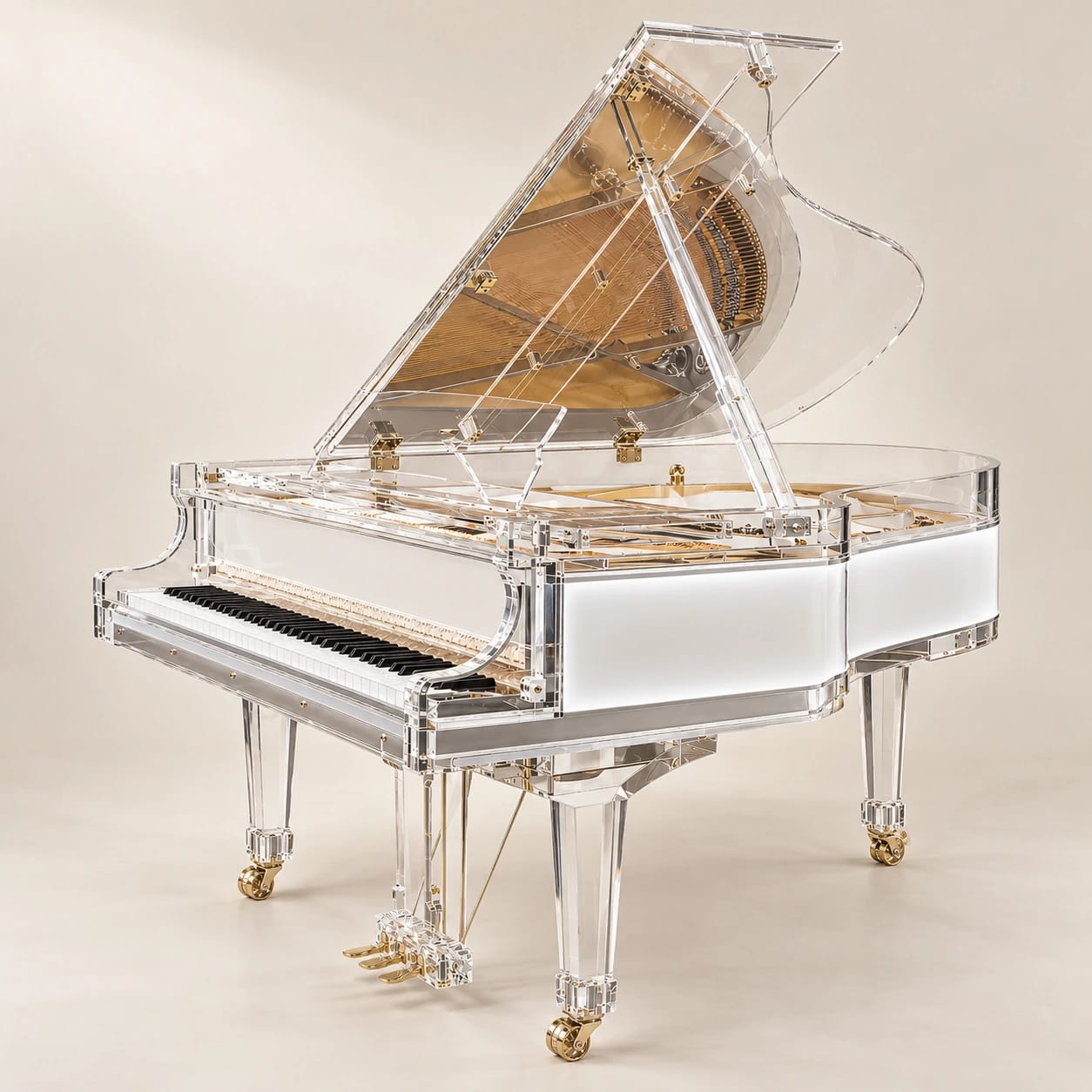
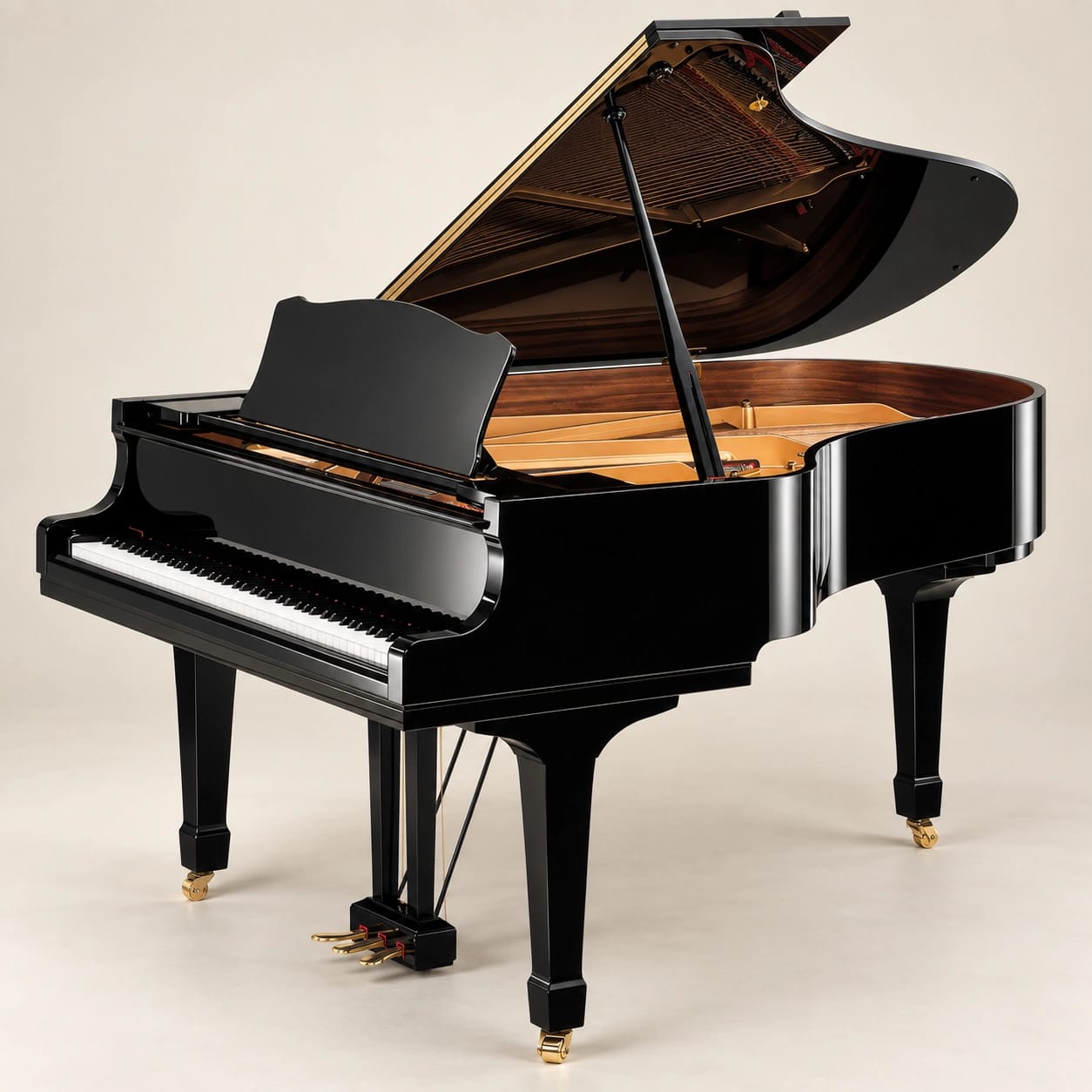
Studio visualisations. Date availability and venue arrangements are confirmed separately.
At a glance
From session brief to collection
Define the musical task
Record the player’s essentials and the producer’s intended use.
Choose the proposed instrument
Ask about the exact model and obtain musical acceptance.
Assess the studio route
Supply the room, unloading and access information for review.
Schedule preparation
Separate delivery, optional tuning, engineering setup and takes.
Close the hire
Confirm the final session release and collection handover.
Let’s talk about your hire
Have a date or venue in mind?
Tell us the occasion, the piano and the details you know. We can help work through the rest.
The practical details
Plan your hire with confidence.
Explore the parts that matter to your plans. If you’re unsure, we can talk them through with you.
A little more about this hire
Bringing a grand piano into a recording studio is a session-planning decision as much as an equipment booking. The producer needs an instrument the player accepts, the engineer needs a workable session sequence, and the studio needs an agreed way to receive and house the piano.
This guide helps the studio or production team organise those decisions before recording time is committed. It does not promise a particular recorded sound or declare a room suitable. The aim is a clear hire brief that distinguishes the instrument, the recording work and the practical arrangements needed to bring them together.
Explore the topics on this page
Define what the session needs from the piano
Start with the musical task rather than a visual reference. Is the piano the exposed focus of the session, accompaniment within an ensemble, or one part of a filmed performance? Ask the player and producer what matters for that task and record their requirements in plain language. A description such as “warm and cinematic” can begin a conversation, but it cannot serve as a measurable promise from the hire supplier.
Read the detail about Define what the session needs from the piano
Name the proposed instrument and have the musical decision-maker consider it. The current collection comprises the white Stenberg 152, Gordon; black Yamaha C3, Sebastian; and clear Teschendorf M170, Oscar. Those model and finish facts help identify the available choices. They do not establish that one will produce a particular recording result in your studio, or that a model is available on the dates requested.
If a performer needs a particular response, tuning standard or preparation, raise that directly before booking. Do not infer an included service from a photograph or from another studio's experience. Unusual performance techniques, attachments or alterations need prior permission and an explicit response; an acoustic session brief is not permission to modify hired property.
Write down who can accept the instrument for the project. A producer's commercial approval and a pianist's musical approval may be separate decisions. Having both resolved early prevents a delivery day discussion about a requirement that existed only in a private message.
Agree what information would allow the musical team to make its decision before asking for an open-ended demonstration or assurance. A precise unresolved question can be sent to the supplier and answered within the enquiry. If the team cannot yet describe the requirement, record that as a creative decision to resolve internally rather than asking the supplier to guarantee an unspecified sound. This keeps the instrument discussion productive and prevents the producer from booking one thing while expecting another. The accepted brief should describe the intended use clearly enough that a replacement engineer can understand the decision without needing the original conversation.
Make the room decision with the studio team
The studio should choose the proposed recording position and assess how it works with the rest of the session. Include the player, engineer and any other performers in that conversation. A room that photographs well may not give the team the workflow it needs, while the most convenient delivery position may not be the desired recording position.
Read the detail about Make the room decision with the studio team
Share a current room plan that identifies the intended piano area, doors and equipment positions. Treat it as a planning drawing, not proof of physical fit. The full route from unloading point to final placement needs assessment by the appropriate people, including any lift, level change or stage. Avoid using a single published dimension as a pass or fail test for the room or route.
Ask the studio to identify constraints that could interfere with the session: shared corridors, controlled access periods, other bookings or building work. These are questions to investigate at the particular location, not assumptions about recording studios generally. Include collection access as well as arrival, especially when the studio will be closed after the final session.
Once a position is agreed, have the engineer plan around that position. If the creative team later wants the instrument elsewhere, refer the proposed move back to the hire team. Do not build a recording method around repeated crew moves that have not been assessed and authorised.
Separate delivery, preparation and paid recording time
Put the piano's arrival and preparation into the session schedule before allocating every available hour to recording. The instrument must reach its agreed position before the team can complete the tasks that depend on it. A calendar entry labelled “piano arrives, recording starts” hides the decisions and handovers between those events.
Read the detail about Separate delivery, preparation and paid recording time
List the requested delivery arrangement, optional tuning, player familiarisation, engineering setup and first take as separate activities. Ask the supplier to confirm the logistics and preparation that can be provided. Because the current service arrangements can change, use the confirmation for your booking rather than relying on an old delivery window, a named contractor or a previous session's schedule.
Protect any agreed tuning period from competing noise and activity as far as the studio can arrange. Tell the engineer when the instrument is expected to be available for their work, and give the pianist a realistic call based on confirmed arrangements. Do not describe preparation as instantaneous or promise that a piano will be ready to record at a precise moment without agreement.
Online booking needs at least two days' notice. An urgent session should be discussed as an enquiry, with the required date and practical deadline clearly stated. It is sensible to resolve the instrument question before making other commitments that depend on it, but neither this guide nor the brief builder reserves a piano.
Agree tuning and preparation without overpromising
Optional on-site tuning is available through the hire process. Decide with the musical team whether to request it, and describe the actual session requirements when asking. A preferred reference pitch, a concern about a particular passage or a special performance approach should be raised early enough for the supplier to respond. Avoid assuming that any requested treatment is routine or included.
Read the detail about Agree tuning and preparation without overpromising
Have one person communicate the agreed request. If the producer, pianist and engineer each send a different instruction, the supplier has to determine which one governs. Put the accepted preparation in the session brief and make any later change explicit. The useful record is what has been agreed for this instrument and booking, not a list of everything someone might prefer.
For a session spread over several days, describe the full schedule and ask what preparation arrangements make sense for the hire. Do not promise that a single visit will guarantee an unchanged result across every day or condition. Equally, do not add repeated services as though they were automatically necessary. The right next step is a specific conversation about the project.
If a concern emerges during recording, stop guessing at the cause and contact the hire team. The player and engineer can describe what they notice, but unauthorised adjustment or repair is not part of the studio's responsibility. Record the issue clearly so the appropriate specialist can advise on the response.
Keep the hire scope separate from the recording package
A piano hire and a recording service solve different parts of the project. Confirm who provides microphones, stands, preamps, monitoring, engineering and the recording system. Do the same for the pianist and any other musicians. Do not tell a client those items are included simply because the session includes a hired piano.
Read the detail about Keep the hire scope separate from the recording package
The engineer should assess the room and choose the recording approach. The supplier's collection description is not a warranty about isolation, microphone performance or a finished mix. If a label or production company requires a particular technical standard, place that requirement with the person responsible for recording and ask them to confirm how it will be met.
For a filmed session, add camera, lighting and set requirements to the brief. Ask before attaching anything to the instrument or placing objects on it. Distinguish a visual request from a musical necessity, especially if a finish preference narrows the choice. The player should still accept the actual instrument when the piano will be heard as well as seen.
Use the live booking or written quote to identify the hire charges and inclusions. Keep the studio's own fees and third-party production costs separate in your internal budget. That makes it easier to explain a changed session length or added service without implying that every production cost belongs to the piano supplier.
Handle multi-day sessions and extensions deliberately
For a multi-day project, state the delivery and collection dates as well as the days when recording takes place. The piano occupies the studio during the full hire period, including non-recording time. Ask the studio who controls the room between sessions and whether the planned position conflicts with any other booking.
Read the detail about Handle multi-day sessions and extensions deliberately
Decide how access will work when the producer or artist is absent. The responsible studio role should know the agreed placement, use and collection arrangements. Keep the booking information available to that person without distributing unnecessary personal or payment details to the whole crew. A clear operational note is usually more helpful than forwarding every commercial email.
If the session expands, enquire about an extension before treating the instrument as available for additional dates. Availability and changed arrangements need confirmation. A late take, a new overdub day or a postponed artist call may be a good reason to ask, but none automatically changes the hire agreement.
At the other end, an early creative finish does not itself set a new collection time. Contact the team to discuss the change and retain the revised confirmation. This avoids a studio handover where one person expects the piano to leave immediately and another still has it scheduled in the room.
Create a useful studio handover
A studio handover should let the next responsible person understand the instrument's status without reconstructing the project. State the named piano, the room and agreed position, the hire dates and the relevant confirmed preparation. Keep questions awaiting an answer in a separate, clearly marked list.
Read the detail about Create a useful studio handover
Before delivery, make the agreed route available and have the responsible studio contact ready to coordinate with the delivery team. This does not mean the studio crew should move the instrument themselves. Their job is to provide access and communicate the plan, while specialist movement and placement follow the agreed arrangements.
After placement, check that the production team is working from the same position and schedule. If a camera angle or microphone plan requires a change, discuss it before acting. Keep drinks, set dressing and loose equipment away from the instrument in accordance with the hire instructions, and route any uncertainty through the person responsible for the booking.
For collection, establish when the session releases the piano and who will provide building access. Do not leave the final handover to an engineer who has not been told there is a collection appointment. Close the project with the current booking documents and any recorded issues, rather than assuming the end of recording is the end of the hire.
Prepare an enquiry with the decisions still visible
A concise studio enquiry should say what is known and what needs a response. Give the exact proposed model, studio address, recording dates and requested hire period. Explain the musical use, identify any essential performer requirement and include the access information the studio can provide. If the final room is undecided, say so rather than supplying details for a room that may not be used.
Read the detail about Prepare an enquiry with the decisions still visible
Describe optional tuning and the proposed sequence around it. Include the first required use, any quiet preparation period and the planned release for collection. Mark requested times as requested until the supplier confirms them. If the project has a hard decision deadline, state it plainly without presenting it as an obligation the supplier has already accepted.
Ask targeted questions: whether the model is available, what additional access information is needed, and whether the proposed preparation and timing can be arranged. Those answers give the producer a basis for the next decision. A long aesthetic description is less helpful if the instrument, dates and room remain unspecified.
The tool on this page produces a copyable studio brief for your own use. It does not book a session, reserve an instrument, assess acoustics or submit any personal details. Use its checklist to find missing decisions, then send the completed enquiry through the normal hire process.
Want to organise your notes first?
Your enquiry
Recording session piano brief
Build a session-planning note without personal details. It does not assess sound, reserve a piano or submit an enquiry.
Your notes stay in this page. Nothing is sent or saved automatically.
0 / 4,000 enquiry-note characters. Only answered fields and selected checks are included.
Read or select your brief
Studio piano hire brief

Musical purpose: To confirm
Proposed model and acceptance: To confirm
Session and hire dates: To confirm
Studio room and access: To confirm
Preparation request: To confirm
Session sequence: To confirm

Planning checklist
[ ] Player and producer have considered the named model
[ ] Studio room and access information are current
[ ] Recording equipment and engineering are assigned separately
[ ] Optional tuning request has a clear owner
[ ] Preparation is separated from first recording use
[ ] Multi-day occupancy and collection access are agreed
[ ] Any extension remains a request until confirmed

Planning notes only. Piano availability, access and arrangements need confirmation before booking.
Good to know
Your questions, answered.
Will a hired grand definitely suit our recording?
Suitability needs to be assessed by your player, producer and engineer against the proposed instrument and room. The collection identifies the available models and finishes, but it does not guarantee a particular recorded tone or production result. Explain essential musical requirements before booking and ask the appropriate people to accept the plan. Keep technical recording commitments separate from the instrument hire confirmation.
Can we request a specific tuning standard?
Include the requested standard in the initial brief and ask for explicit confirmation. Optional on-site tuning is part of the available booking choices, but a specialist preparation request should not be assumed to follow automatically from selecting tuning. Nominate one person to communicate the agreed musical requirements so the producer, player and engineer do not send conflicting instructions.
Are microphones or an engineer included?
Do not assume they are. The hired piano, the recording equipment, engineering and performer engagement are separate scope questions. Your studio or production team should identify who supplies each item and include it in their own schedule and budget. If you need an additional service from the hire supplier, ask about it and rely on the specific response rather than an implied package.
What if the artist needs another recording day?
Contact Piano Hire Australia before extending the planned use. Explain the additional date, room access and revised collection request, and wait for confirmation of the changed arrangements. The instrument may have other commitments, so an unfinished session does not automatically extend the hire. Update the studio handover once a variation is agreed so everyone works from the same dates.
Let’s talk about your hire
Tell us what you’re imagining.
Tell us the occasion, the piano and the details you know. We can help work through the rest.