Display suites
Piano hire for developer display suites
Consider a grand piano for your development’s display suite or presentation space. Share the design concept, proposed position and display period so we can discuss the instrument and hire arrangements.
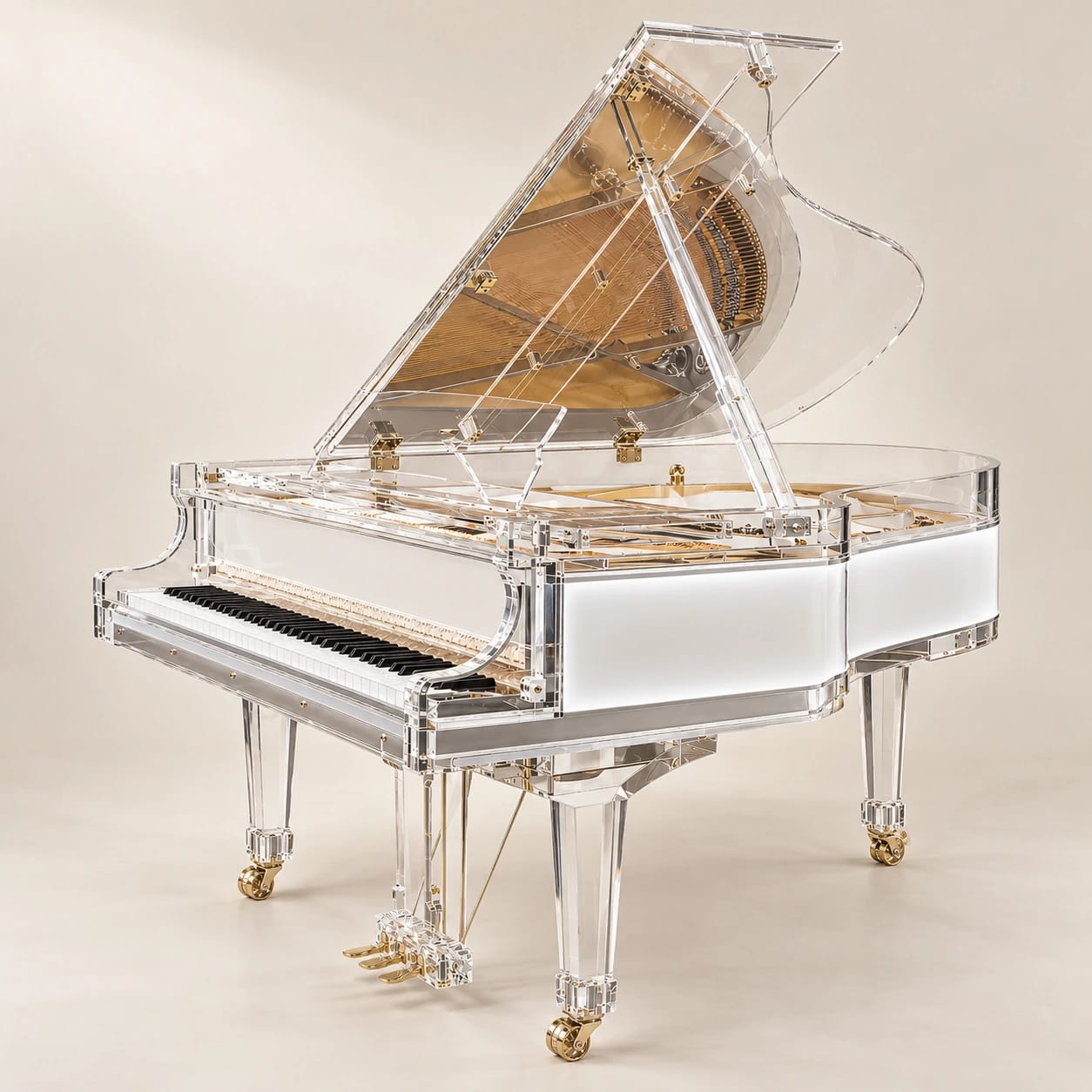
Black, white and clear grand pianos. We confirm availability and arrangements for each booking.
At a glance
What matters for your hire.
Set the piano’s role in the display concept, identify the first required-ready milestone and confirm when the finished site can receive it. Discuss the model, intended position, visitor use and collection or review date. Extended hires and changes are quoted or agreed individually. Site access, physical placement and any move between display stages require assessment.
The collection
Find your grand piano.
Explore the instrument as well as its finish. We can talk through the right option for your plans and dates.
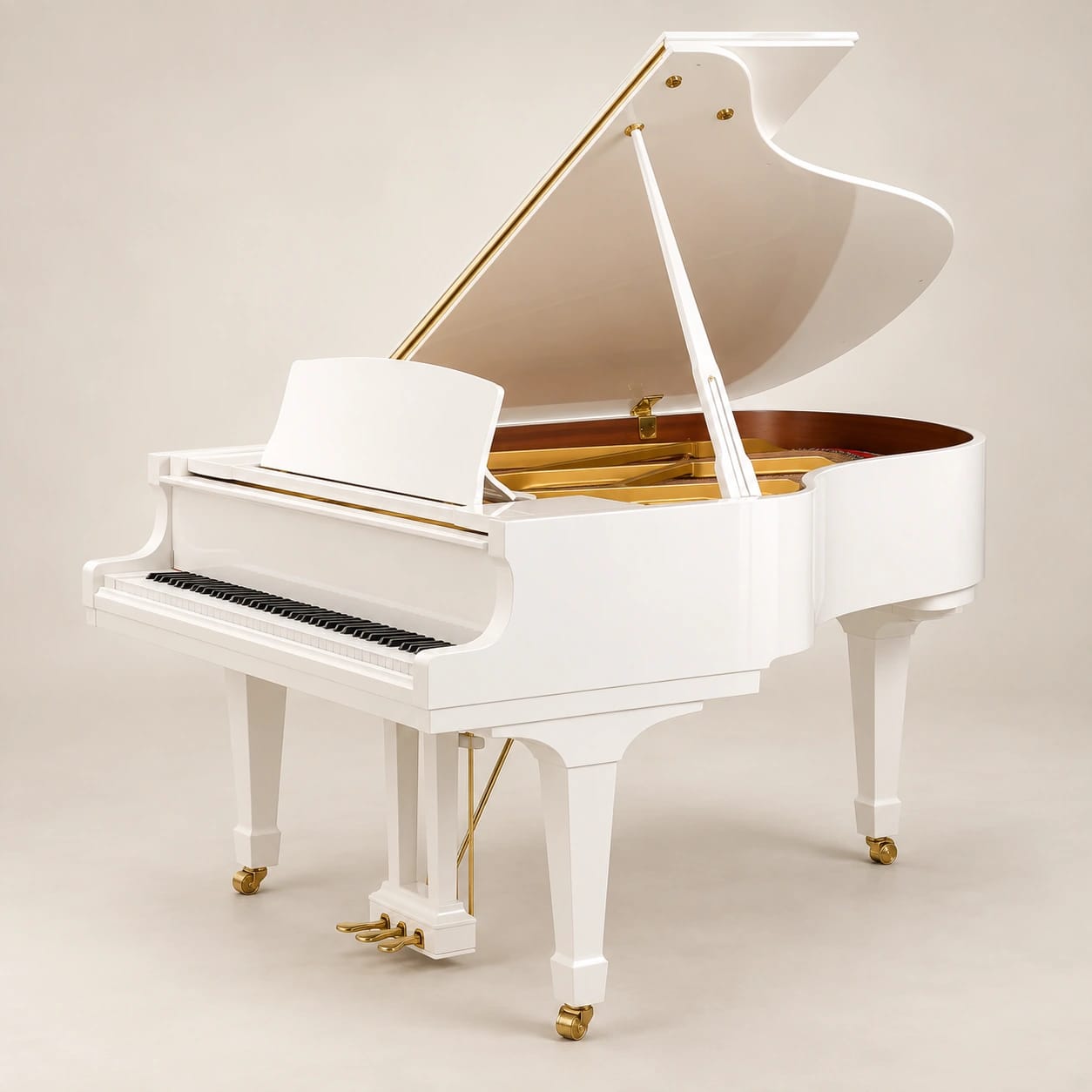
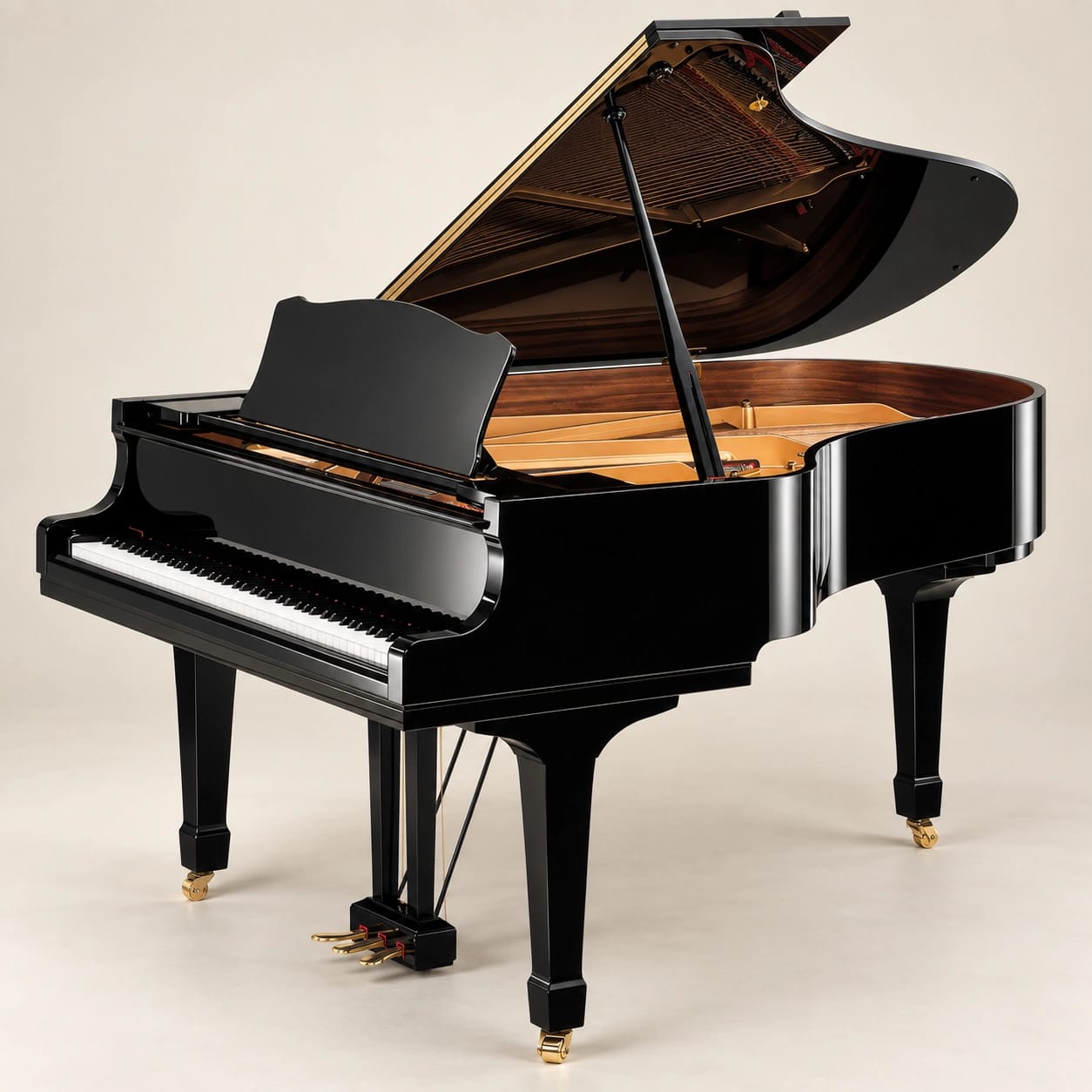
Studio visualisations. Date availability and venue arrangements are confirmed separately.
At a glance
Move from display concept to operating handover
Define the display role
State how the piano supports the specific room concept.
Approve the model
Record the requested finish and authorised alternatives.
Confirm site readiness
Resolve route, position and installation dependencies.
Sequence the uses
Separate photography, launch and normal display operation.
Set the review and departure
Assign the operating role and agree the collection or amendment process.
Let’s talk about your hire
Have a date or venue in mind?
Tell us the occasion, the piano and the details you know. We can help work through the rest.
The practical details
Plan your hire with confidence.
Explore the parts that matter to your plans. If you’re unsure, we can talk them through with you.
A little more about this hire
A developer display suite or display home often changes character as it moves from installation to photography, launch and regular visitor use. A piano proposed for that setting needs a plan that follows those stages. The creative choice is only one part: the site must be ready for specialist placement, and the people operating the display need to understand the agreed arrangement.
This guide helps define a temporary piano hire for that sequence. It is intended for a project or design team considering the instrument within a particular display. It does not claim that a piano improves sales results, establish a permanent installation service or create an open-ended rental arrangement. The actual model, period and site requirements need confirmation.
Explore the topics on this page
Define the display concept in practical terms
Start with the room or setting the development team is trying to present. A piano might be considered for a living-room composition, a reception environment or a launch setting within the display. Explain which role it serves and how that connects to the other interior elements. A clear design purpose is more useful than a general request for something impressive in the space.
Read the detail about Define the display concept in practical terms
Ask the creative lead to identify what is essential about the instrument. The finish, the presence of a playable grand piano or its relationship to a particular backdrop may matter differently. If the plan also includes a performance at the opening, record that as a separate use so the musician can consider the model. A visual installation should not quietly acquire a musical requirement later.
Keep commercial expectations separate from the hire description. This content does not establish that a piano increases sales, improves conversion or creates a particular buyer perception. The project team can evaluate the styling choice within its own display strategy. The instrument enquiry should state what is being proposed and what practical decisions are needed to make the arrangement possible.
Choose a model within the actual interior scheme
The current collection offers the white Stenberg 152, black Yamaha C3 and clear Teschendorf M170. Consider these with the display’s real finishes, furniture and lighting plan. A reference image can communicate the intended atmosphere, but it does not prove that the same position or effect will be suitable in the finished space. Use it as creative context for discussion.
Read the detail about Choose a model within the actual interior scheme
Record the preferred model and any approved alternative. A developer display can involve several decision-makers, and a vague preference can become a fixed assumption as drawings and presentations circulate. If a particular finish is essential to the concept, make that clear before availability is checked. If another option would work, identify who can approve it rather than expecting the booking team to infer the design hierarchy.
Do not expand the request into stock that has not been established. The collection consists of grand pianos; a display enquiry does not imply a piano shell, upright or digital instrument. If the team is comparing those concepts independently, keep the actual hire proposal specific. The final brief should name the requested instrument and the uses that have been discussed for it.
Establish a site-readiness point before delivery
A display space may be visible in drawings long before it is ready to receive an instrument. Identify the point at which the relevant room, route and site arrangements will be available for the proposed delivery. This is a project coordination decision to confirm with the people controlling the premises. The piano hire does not certify that a construction or fit-out site is ready.
Read the detail about Establish a site-readiness point before delivery
Ask the site representative which entry and unloading arrangements apply, whether there are inductions or other requirements for outside suppliers and how the route may change as work progresses. Provide current information rather than an early plan that no longer reflects the site. If access depends on unfinished work or an approval still being obtained, label that dependency clearly.
Do not schedule the piano as though it were ordinary loose furniture that can be left in a temporary location until the room is complete. The intended position and any proposed intermediate arrangement need assessment. If the site-readiness date moves, contact the team before relying on the original delivery plan. The instrument should enter a confirmed arrangement, not become an unplanned part of the remaining installation work.
Coordinate specialist placement with the fit-out sequence
Furniture, joinery, display structures and other deliveries can affect the route to the piano’s final position. Ask the project coordinator to consider the installation sequence and share the relevant layout with the piano team. A route that appears open on an empty plan may be constrained once the display is furnished. The complete movement and placement require specialist assessment.
Read the detail about Coordinate specialist placement with the fit-out sequence
Identify any steps, level changes, lifts or controlled loading arrangements in the actual route. Do not certify clearance from a single dimension or assume a ground-floor space has uncomplicated access. Photographs and current site information can help the enquiry, while the responsible specialists determine the requirements for their work. Keep uncertainty explicit rather than replacing it with a reassuring phrase such as no access issues.
If the creative team later changes the position, discuss the revised plan before moving the instrument. A different camera angle, visitor path or furniture grouping may be easy to change on a drawing but can create a new handling requirement on site. The piano should not be relocated by the fit-out or styling crew as a routine final adjustment. Agree any necessary movement through the booking process.
Map photography, launch and regular opening as separate uses
A display may need to be complete for photography before it opens to visitors. A launch may then introduce live music, guests or a temporary event layout, followed by a quieter period of normal operation. List those stages separately so the piano’s role and required position are clear at each point. The same address does not mean the same use throughout the hire.
Read the detail about Map photography, launch and regular opening as separate uses
If the instrument will be played at an opening, involve the performer in the model discussion and identify any preparation requirements. The hire itself does not supply a pianist, sound system or staging. Those services need separate coordination with the venue and event team. If the launch plan requires the piano in another position, raise that proposed move before confirmation.
For photography, explain whether the piano is part of one room composition or several planned scenes. The camera team should work around the agreed placement unless a different arrangement has been assessed. A shot list should not conceal an assumption that the instrument can be repositioned freely. Keeping the stages distinct helps the project team see where the creative plan creates an additional practical dependency.
Set the occupied period and a realistic review date
The first public opening may not be the start of the hire, because photography and launch preparation can require the piano earlier. Likewise, the end of a marketing phase may not be the exact collection date. Describe the period the instrument needs to remain on site and the practical opportunities for its arrival and departure. The current quote should reflect that scope.
Read the detail about Set the occupied period and a realistic review date
If the display period is uncertain, identify the committed dates and a review point for any extension. Longer or special hires are discussed individually. Do not treat an estimated project duration as an automatic reservation or assume that an instrument will remain available for every later stage. Ask about the process for amendments and retain the confirmation that applies to the agreed period.
Consider what could change the plan: a delayed opening, a revised display layout or a decision to close the suite temporarily. These are useful questions to name early, not reasons to invent broad flexibility terms. The applicable agreement controls changes. A concise review schedule helps the project team raise an actual request in time instead of assuming an unconfirmed arrangement will continue.
Make the operating handover part of the display plan
Once the display opens, the people using it day to day may not be the same people who arranged the installation. Identify the role responsible for the instrument’s agreed position and for reporting a proposed change. The sales or display team should know that the piano is hired under a particular arrangement, rather than treating it as a permanent item that can be moved during routine resets.
Read the detail about Make the operating handover part of the display plan
Decide how visitor interaction fits the intended use and the applicable terms. If playing is part of the plan, include that in the booking discussion. If the piano is primarily a visual element, communicate the agreed approach to the people supervising the display. This guide does not create new handling permissions or replace the instructions confirmed for the instrument.
The handover should also identify the current hire end or review date and the route for requesting changes. Avoid leaving that information only with a design consultant whose involvement ends after launch. A simple operating note can connect the creative concept to the ongoing booking, helping the display team maintain the arrangement while the project moves through its next stage.
Review the quote as a defined project item
Use the live booking total or individual proposal for current pricing. This page does not publish fixed display-suite rates, delivery prices or deposit amounts. The proposal should correspond to the model, dates, access requirements and optional services that have actually been discussed. Keep it with the project brief so the person approving the expenditure can see the complete scope.
Read the detail about Review the quote as a defined project item
Separate the piano hire from interior styling, event production, photography and other project costs. If the opening includes live music, the performer and any technical services are separate arrangements. This makes it easier to identify what the piano booking does and does not include. A clear scope also helps the project team understand why a changed date or use may need a revised assessment.
Where several parties approve different parts of the display, record those decisions distinctly. Design approval does not establish access approval, and budget approval does not reserve the instrument on its own. The project coordinator can bring the decisions together, but the relevant people still need to confirm their own responsibilities. The final booking should represent the agreed project item rather than a collection of provisional intentions.
Prepare for collection or the next display stage
A display may be dismantled, refitted or handed over to another team at the end of a phase. Put piano collection into that sequence early. Ask what access will be available and whether other works are planned around the same time. The instrument should not be left until the route is obstructed by dismantled furniture or a changed building arrangement.
Read the detail about Prepare for collection or the next display stage
If the next stage proposes another room or site, treat that as a new requirement to discuss. Do not assume the piano can move with the rest of the display furniture. The specialist team needs to assess the proposed location, access and timing, and the booking arrangements must reflect any agreed change. An internal project decision is not itself confirmation of transport or availability.
Use the brief builder on this page to gather the design purpose, readiness milestones and operating period before making the enquiry. It prepares a copyable outline locally and does not submit or reserve anything. A well-defined display brief gives the team something concrete to assess and gives the project’s successive coordinators a clear record of what they are trying to arrange.
Want to organise your notes first?
Your enquiry
Build a developer-display piano brief
Prepare a project-specific outline. This does not approve a construction site or create an extended-hire agreement.
Your notes stay in this page. Nothing is sent or saved automatically.
0 / 4,000 enquiry-note characters. Only answered fields and selected checks are included.
Read or select your brief
Your developer-display piano brief

Display concept: To confirm
Instrument preference: To confirm
Readiness milestones: To confirm
Planned uses: To confirm
Site constraints: To confirm
Occupied period: To confirm

Planning checklist
[ ] The creative role is specific to this display.
[ ] The model approval responsibility is clear.
[ ] Site readiness is confirmed by the relevant project representative.
[ ] The installation sequence allows specialist assessment.
[ ] Launch performance requirements are declared separately.
[ ] Extended dates are requests rather than assumed availability.
[ ] The operating team will receive the current booking arrangement.

Planning notes only. Piano availability, access and arrangements need confirmation before booking.
Good to know
Your questions, answered.
Can the piano be delivered before the display fit-out is finished?
Explain the actual site condition and the intended delivery point to the team. Do not assume an unfinished site or a temporary storage position is suitable. The route, placement and site requirements need assessment, and the person controlling the premises should confirm when the relevant area will be ready.
Can we keep it through several marketing phases?
Describe the proposed period, uses and any uncertain dates when enquiring. Extended or special hires are discussed individually. Confirmed dates remain the reference until an amendment is agreed, so plan a review point before assuming the instrument can stay for a later phase or move to another display.
What if the opening date is delayed?
Contact the team with the booking reference and the revised project information. A delay may affect delivery, the occupied period and availability. Check the applicable terms and wait for the revised arrangement to be confirmed. Keep the installation and operating teams informed so they are not working from an outdated date.
Can the piano be played at a launch after being chosen for display?
Include the launch performance in the original brief wherever possible. Ask the performer to consider the model and discuss any optional tuning request. A visual display booking does not automatically arrange a musician, sound equipment or a new position for the instrument, so those requirements should be coordinated explicitly.
Let’s talk about your hire
Tell us what you’re imagining.
Tell us the occasion, the piano and the details you know. We can help work through the rest.