End-of-year functions
Piano hire for end-of-year and Christmas functions
Bring live piano into your Christmas party or end-of-year function. Explore the instruments and share the programme, venue and dates so we can discuss the preparation and collection arrangements.
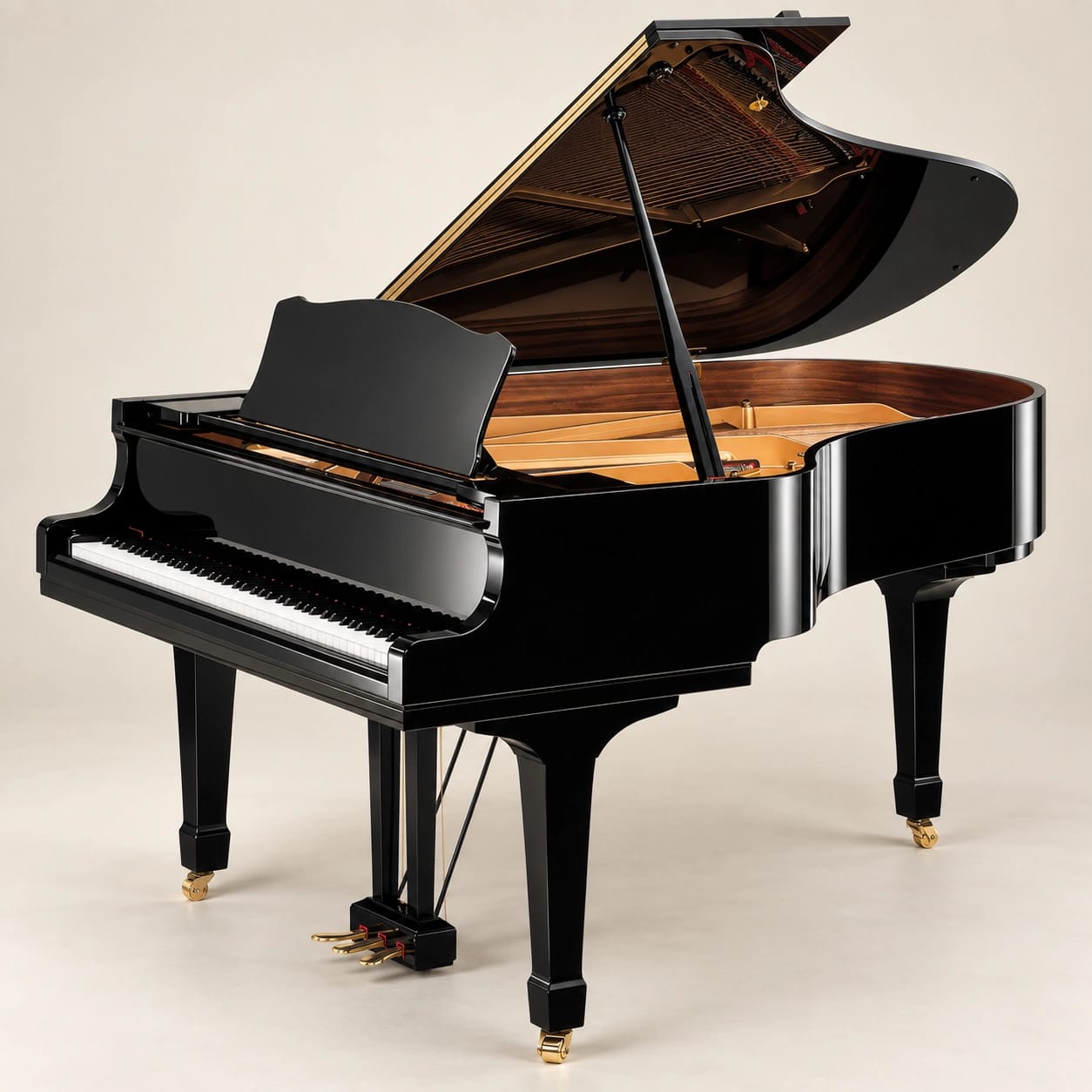
Black, white and clear grand pianos. We confirm availability and arrangements for each booking.
At a glance
What matters for your hire.
Define the music and event programme, nominate a booking owner and enquire about the named piano for the actual date and venue. Coordinate the position with dining, speeches, awards and other entertainment, then provide the full access route for assessment. Ask about optional tuning and the real delivery and collection constraints, including building or team closures. Do not assume a seasonal package, performer, audio service or late-night collection is included; use the accepted booking to finalise the run sheet.
The collection
Find your grand piano.
Explore the instrument as well as its finish. We can talk through the right option for your plans and dates.
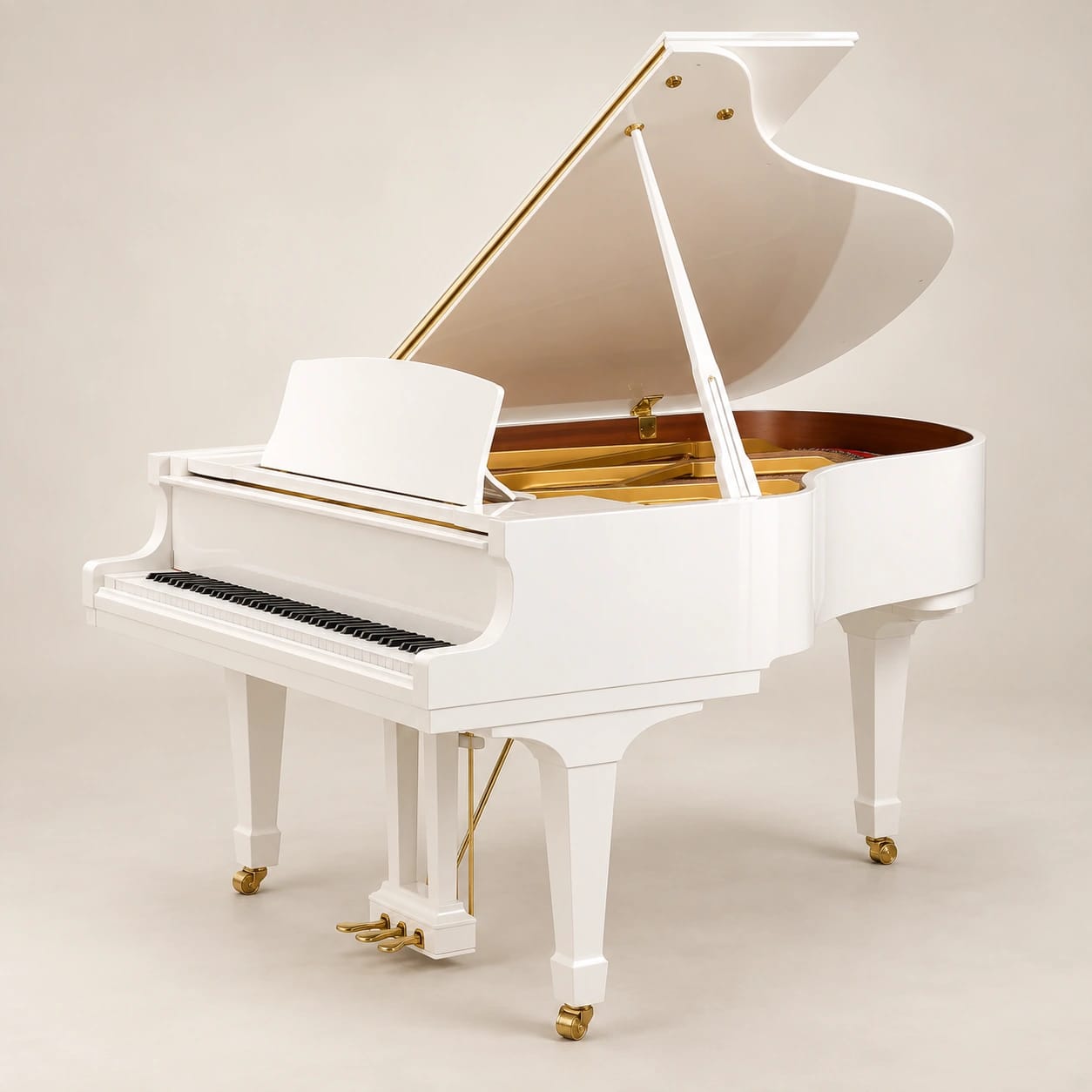
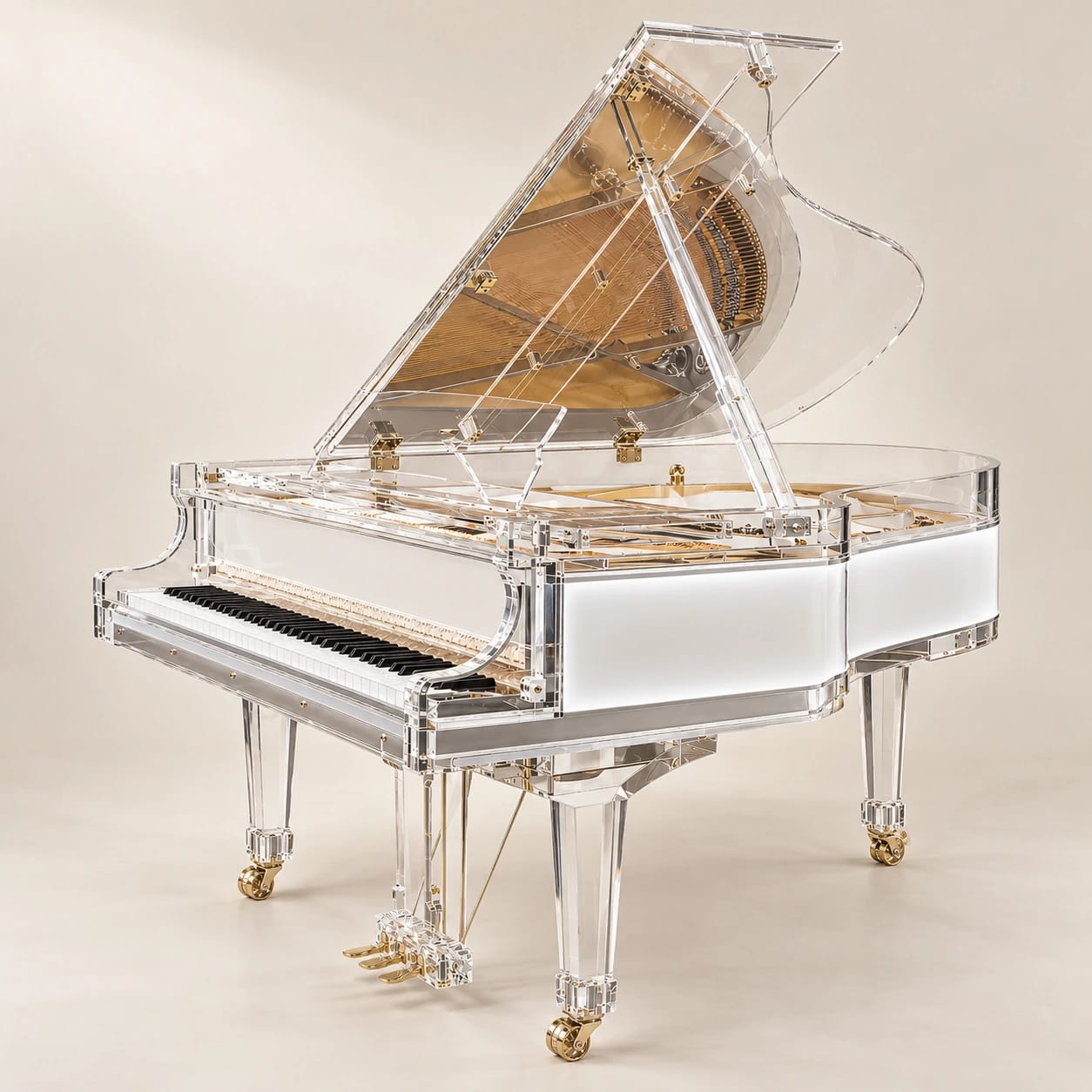
Studio visualisations. Date availability and venue arrangements are confirmed separately.
At a glance
From year-end programme to completed handover
Define the music’s role
Place piano moments among dining, speeches and awards.
Check dates and model
Enquire about the actual instrument without assuming seasonal availability.
Assess the room and access
Review the full layout, loading route and any reset.
Confirm the preparation sequence
Join optional tuning, musician checks and other suppliers in the run sheet.
Assign collection responsibility
Plan access around venue operations and team leave.
Let’s talk about your hire
Have a date or venue in mind?
Tell us the occasion, the piano and the details you know. We can help work through the rest.
The practical details
Plan your hire with confidence.
Explore the parts that matter to your plans. If you’re unsure, we can talk them through with you.
A little more about this hire
An end-of-year function often combines several jobs in one event: recognising the team, hosting guests, presenting awards and enjoying some music. A grand piano hire works best when its role is clear within that programme and the venue knows how the instrument will arrive, remain in place and leave.
For a Christmas party or year-end celebration, start the enquiry while the date and venue decisions are being made. That gives the team time to ask about the actual instrument and arrangements without inventing scarcity or assuming a particular date is available. The useful plan is a confirmed scope and handover, especially when the organiser or building team will be away after the event.
Explore the topics on this page
Give the piano a clear role in the programme
Start by deciding where live piano belongs in the function. It may provide arrival music, accompany a singer, support a featured performance or sit within a larger entertainment programme. Describe the intended use rather than asking for “something festive” and expecting the supplier to infer the instrument, performer and production requirements.
Read the detail about Give the piano a clear role in the programme
Place those musical moments alongside speeches, awards, dining and other planned activity. Ask the event coordinator which moments are essential and which are optional. A short featured performance can still require the instrument to be delivered and prepared well before the audience hears it, so the programme should distinguish performance time from the hire sequence.
Confirm who is engaging the musician and who owns the entertainment decisions. The piano hire does not automatically include a pianist, vocalist, sound system or operator. If a staff member intends to perform, give them the proposed model information and include their preparation needs rather than treating an internal performance as requiring no coordination.
Keep seasonal styling separate from instrument use. The piano can sit within the event design, but decorations, attachments and objects on the instrument need discussion. A Christmas theme is not permission to treat the piano as a display table or a support for festive structures.
Decide whether the piano programme is part of a formal presentation sequence or a more flexible social period. The distinction helps the coordinator identify which cues need a precise owner and which can be discussed more freely with the musician. It should not be used to imply that the supplier's delivery or collection timing is equally flexible. Keep the entertainment decisions and the confirmed hire arrangements connected but distinct.
If the function includes awards or staff contributions, ask the programme owner to identify any piano use that has not been discussed with the performer. An extra accompaniment or guest contribution can introduce a new musical requirement. Raise it before the day and check the agreed use rather than relying on a spontaneous announcement from the stage.
Prepare a short version of the programme for the venue and relevant suppliers. They need the piano's first and last use, the major room changes and the practical contact role, not every internal recognition detail. This makes the operational handover easier to read while protecting information that does not need wider distribution. When a programme change affects those practical points, update that short version deliberately. The organisation's final event document should distinguish the intended celebration from the specific supplier arrangements that make it possible.
Enquire while date choices are still useful
If the organisation is choosing between dates, list the real options and identify when a decision is needed. Ask about the named instrument rather than assuming any grand piano will be available. A clear enquiry helps the team understand what is provisional and what has already been fixed with the venue.
Read the detail about Enquire while date choices are still useful
Do not rely on a generic claim that a period is busy, quiet or sold out. Availability must be checked for the actual model and dates. Likewise, a previous year's booking does not reserve the same instrument or arrangements this year. Treat the current function as a new scope that needs confirmation.
Online booking requires at least two days' notice. That minimum does not mean every request made two days ahead can be accommodated, or that a venue's narrow access requirements will fit automatically. Use the planning period to resolve the practical questions before other event commitments depend on them.
If the request becomes urgent, state the exact date, venue, use and decision deadline. An urgent enquiry is not a promise of short-notice delivery. Keep the internal event team informed of the actual booking status so an unconfirmed instrument does not appear as a settled inclusion in staff communications.
Choose the instrument with the performer and event team
The current collection consists of the white Stenberg 152, Gordon; black Yamaha C3, Sebastian; and clear Teschendorf M170, Oscar. Use the exact model in the enquiry and ask the performer to consider it for the planned music. A finish preference from the event team and musical acceptance from the player should be recorded separately where relevant.
Read the detail about Choose the instrument with the performer and event team
Review how the piano will sit within the actual event setting, including backdrops, screens, tables and seasonal styling. The design team can decide whether it is a focal point or part of a quieter arrangement. Avoid claiming that a particular colour is automatically appropriate for a company event or that it guarantees a photographic result.
If there is a technical rider or special preparation request, send the relevant requirement early and ask for a specific response. Optional on-site tuning can be requested, but it is not a blanket acceptance of every musical instruction. Do not assume the instrument hire includes other entertainment equipment.
Agree who can approve a proposed model change. The person paying the invoice may not be the person qualified to accept the musical alternative. A simple decision record prevents the booking owner from having to guess under a late event deadline.
Fit the position into the whole event layout
Ask the venue and event team to review the piano position alongside dining, awards, presentations and other entertainment. Include the performer, seating and any audio equipment in the proposal. A grand piano needs to be part of the full room plan rather than added to an empty corner after the rest of the layout is approved.
Read the detail about Fit the position into the whole event layout
Consider the moments when the room changes use. Guests may move from arrival drinks to dinner, or the event may shift from speeches to entertainment. These are planning scenarios to discuss with the actual venue, not assumptions about every function. The instrument should have an agreed place throughout the hire, including periods when it is not being played.
Do not plan to move the piano out of the way during a room reset without prior assessment and agreement. If a move is essential, describe the positions, route and timing in the enquiry. General event staff should not be assigned the task as part of furniture handling.
A floor plan helps communicate the proposal but does not certify fit or structural suitability. The venue, staging provider and moving specialists need to assess their respective parts, particularly where lifts, stairs or temporary platforms are involved.
Coordinate supplier access and preparation
Request the actual loading point and route from the venue. Include access periods, level changes, stairs, lifts, stage details and any restrictions relevant to the event. Supply current photographs or a plan where useful for assessment. Do not assume the guest arrival entrance is the correct delivery route.
Read the detail about Coordinate supplier access and preparation
Ask the coordinator to sequence the piano with other suppliers. Furniture, decorations, catering and audio production can all need the same loading or setup areas. Keep the agreed route available and give the specialist team the current position plan. This is coordination of access, not an invitation for other crews to help move the instrument.
Put delivery, placement, optional tuning, musician checks and soundcheck on separate lines in the run sheet. Confirm the actual supplier arrangements before assigning precise call times. Current service providers and schedules may differ from an earlier event, so avoid relying on remembered names or arrival windows.
If the function is in an office or shared building, involve the responsible building role early. The event team may control the guest programme while another person controls lifts, loading access or after-hours entry. Those responsibilities need to meet in the same plan before the booking is treated as complete.
Settle collection before the organising team signs off
The collection plan deserves attention before the event, particularly if the organiser will be on leave or the office closes afterwards. Identify who can provide access at the agreed time and who has authority to answer a practical question. Do not leave the handover dependent on someone who has already finished work for the year.
Read the detail about Settle collection before the organising team signs off
Ask the venue or building team about the actual post-event access conditions. The room may need to be reset, another event may follow, or access may be controlled differently outside normal operations. Record the real answers for your location rather than assuming that an event finish time is a collection appointment.
Late-night collection is not guaranteed here. If collection on another date is proposed, confirm the full hire period and permission for the instrument to remain in the agreed place. Keep the collection route clear during pack-down and avoid storing cases or decorations in the path.
Same-day hire means delivery and collection on one booked future date, not immediate delivery today or unrestricted timing. If the function's evening schedule creates a special request, ask about it directly. The accepted arrangement should govern the final handover even if the entertainment finishes earlier or later than planned.
Keep approval and payment aligned with the event scope
Nominate the person who owns the hire booking and the person who approves the expenditure. They should work from the same instrument, dates, venue, access and requested services. If a venue or department manages part of the cost, make that responsibility clear internally before assuming the supplier has received a complete booking.
Read the detail about Keep approval and payment aligned with the event scope
Use the live booking or current quote for the amount and inclusions. This page does not publish a seasonal package price or promise discounts for a short performance. A purchase order, internal approval or budget allocation is not itself confirmation that the instrument and logistics are secured.
Review the current hire terms and ask how changes should be handled. A different date, room, collection period or instrument may need a revised response. Keep those variations with the booking record instead of leaving the production team to operate from an informal message that has not been accepted.
Before the event owner signs off, give the on-site coordinator the operational details they need. Keep personal and payment information within the appropriate booking correspondence. A concise handover should make the agreed position, preparation, first use and collection clear without sending a long financial thread to every supplier.
Send a function enquiry that survives a busy handover
Provide the function date, exact venue address and room, proposed piano and musical role. Add the first required use, optional tuning request and access information. Describe any stage, lift, room reset or movement that affects the plan, along with the actual collection constraints.
Read the detail about Send a function enquiry that survives a busy handover
If dates or venues are still being compared, identify the genuine options and the decision deadline. If the event is already fixed, state the non-negotiable constraints plainly and ask what can be arranged. Do not hide a narrow loading period or an office closure inside a general request for evening entertainment.
Ask for specific confirmations rather than a vague assurance that everything will be fine. The useful answers concern model availability, assessment information, preparation and the agreed hire sequence. Keep unresolved items visible until the relevant response arrives.
Use the planning note below to prepare the enquiry and the internal handover. It does not reserve stock, approve building access or confirm after-hours services. Its purpose is to leave the next responsible person with a clear record of what the function needs and what has actually been agreed.
Want to organise your notes first?
Your enquiry
End-of-year function piano brief
Create a practical event and handover note. This does not reserve a date or confirm after-hours access.
Your notes stay in this page. Nothing is sent or saved automatically.
0 / 4,000 enquiry-note characters. Only answered fields and selected checks are included.
Read or select your brief
Year-end function piano brief

Function date and decision status: To confirm
Programme and piano role: To confirm
Instrument and performer: To confirm
Venue layout and access: To confirm
Preparation and first use: To confirm
Collection and closure constraints: To confirm
Approval roles: To confirm

Planning checklist
[ ] Piano role defined within the complete programme
[ ] Actual model and date availability checked
[ ] Performer and audio responsibilities assigned
[ ] Room layout includes the instrument throughout the event
[ ] Supplier access and preparation sequence coordinated
[ ] Any reset movement raised in advance
[ ] Collection role remains available after the function
[ ] Current scope and internal approval match

Planning notes only. Piano availability, access and arrangements need confirmation before booking.
Good to know
Your questions, answered.
How far ahead should we arrange a Christmas function piano?
Enquire while the date, venue and entertainment decisions are still useful to discuss. Actual availability must be checked for the named instrument and dates; this page makes no blanket seasonal scarcity claim. Online booking requires at least two days’ notice, but that minimum does not guarantee a particular model or schedule. Resolve access, preparation and collection before internal communications describe the piano as confirmed.
Can the piano be moved after speeches to make room for entertainment?
Describe the proposed room reset and every intended position in the enquiry. Any movement needs assessment and agreement with the hire team, including who carries it out. Do not assign it to general event staff as part of moving tables or staging. The venue may instead plan the event around one position, but that choice needs to be considered by the relevant production and venue roles.
What if our office closes after the event?
Raise the closure before booking and identify a responsible role who can provide access for the confirmed collection. If another collection date is proposed, include the complete hire period and agree how the piano remains at the location. Do not leave the instrument in a building with no authorised handover plan. The event organiser’s leave dates and the supplier’s collection arrangements need to be coordinated explicitly.
Does the hire include festive music or an entertainer?
Do not assume a musician, repertoire, singer, audio system or operator is included. Arrange those services separately and share the proposed piano model with the performer. Optional on-site tuning is an instrument-preparation choice, not an entertainment package. The function coordinator should keep each responsibility visible in the run sheet so the event has the people and equipment needed for the intended programme.
Let’s talk about your hire
Tell us what you’re imagining.
Tell us the occasion, the piano and the details you know. We can help work through the rest.